

Southern Maine transforms into a vibrant tapestry of reds, golds, and greens each autumn, offering visitors one of the region's most beloved seasonal activities. Apple picking in southern Maine combines the simple pleasure of harvesting fresh fruit with the scenic beauty of coastal countryside, creating memorable experiences for families, couples, and solo travelers alike. The region's temperate maritime climate and rich agricultural heritage have made it an ideal location for producing exceptional apples, with dozens of orchards welcoming visitors from late August through October. Whether you're seeking a peaceful afternoon in the countryside or an action-packed day filled with farm activities, southern Maine's apple orchards deliver authentic New England charm just minutes from the coast.
Understanding the Apple Picking Season in Southern Maine
The apple picking season in southern Maine typically begins in late August and extends through October, with peak harvest occurring in September. Timing varies based on apple variety, weather conditions, and specific orchard locations throughout York and Cumberland counties.
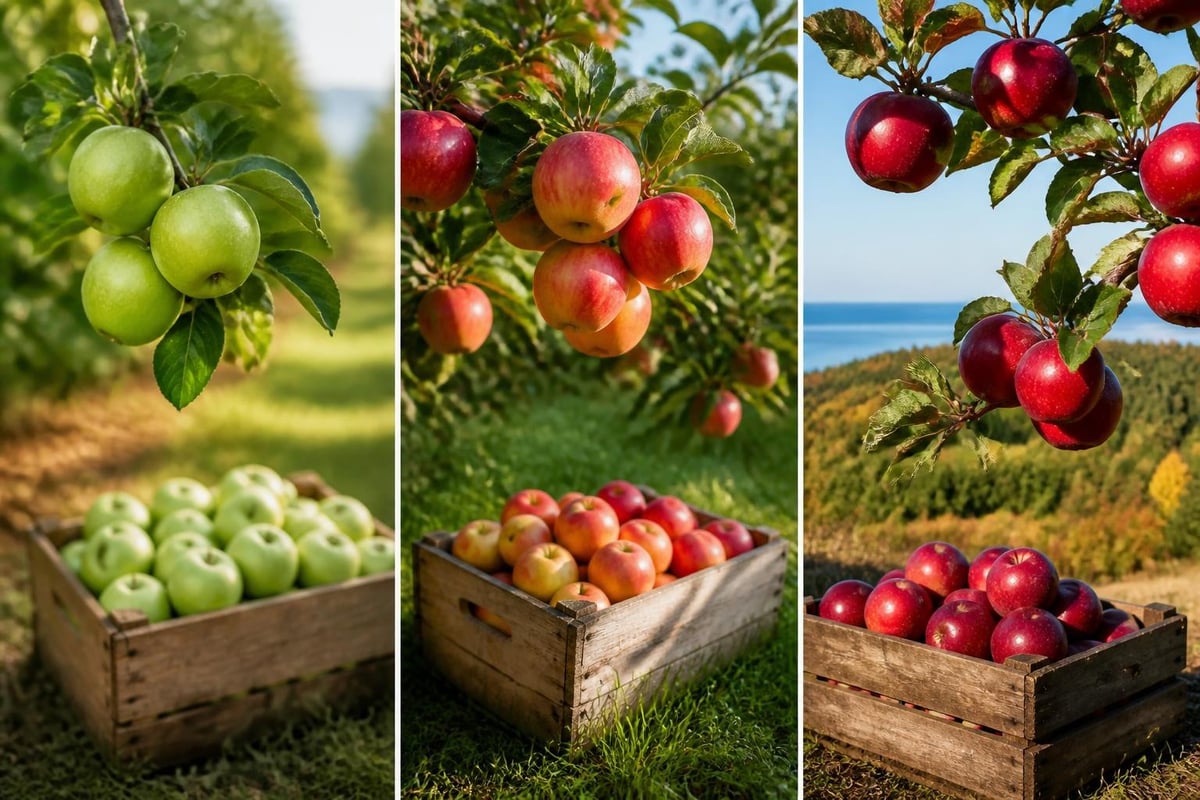
Early-season varieties like Paula Red and Ginger Gold become available in late August, offering crisp, tart flavors perfect for fresh eating. By early September, popular mid-season varieties including Honeycrisp, McIntosh, and Cortland reach peak ripeness. Late-season apples such as Granny Smith, Fuji, and various heirloom varieties extend the picking season well into October.
Climate factors significantly influence harvest timing each year. According to the NOAA U.S. Climate Resilience Toolkit, regional climate variations affect fall timing and harvest windows throughout New England. Warm springs can advance bloom dates, while cool, wet summers may delay ripening. The University of Maine Cooperative Extension provides research-based guidance on tree fruit timing and local production conditions.
Checking Orchard Availability and Conditions
Before planning your visit, confirm which varieties are currently available for picking. Most orchards update their websites and social media pages regularly with harvest status, though calling ahead ensures accurate information.
Consider these timing strategies:
- Weekday visits typically offer smaller crowds and easier parking
- Early morning arrival provides cooler temperatures and fresher picking conditions
- Mid-September generally offers the widest variety selection
- Late season visits feature fewer crowds but limited variety options
The Maine Apples organization maintains a comprehensive calendar of statewide orchard events, including the annual Maine Apple Sunday celebration in September, which showcases orchards across the state with special activities and demonstrations.
Top Apple Orchards in Southern Maine
Southern Maine hosts numerous family-owned orchards, each offering unique experiences beyond simple fruit picking. These farms have served the community for generations, maintaining traditional agricultural practices while adding modern amenities for visitors.
York County orchards benefit from well-drained soils and coastal breezes that moderate temperature extremes. Cumberland County locations offer slightly different growing conditions, producing distinct flavor profiles in similar varieties. Many orchards practice integrated pest management and sustainable farming techniques, with some certified organic operations.
| Orchard Feature | Common Offerings | Typical Availability |
|---|---|---|
| Pick-Your-Own | 10-25 varieties | Late Aug-Oct |
| Farm Markets | Pre-picked apples, cider | Year-round |
| Bakery Items | Pies, donuts, pastries | Sept-Dec |
| Children's Activities | Hayrides, corn mazes, animals | Weekends, Sept-Oct |
Farm Stand and Additional Attractions
Beyond apple picking, most orchards operate farm stands selling pre-picked apples, fresh-pressed cider, cider donuts, pies, and other seasonal products. Many offer additional fall activities including corn mazes, pumpkin patches, hayrides, and petting zoos that transform a simple picking trip into a full-day outing.
Some orchards host special events throughout autumn:
- Cider pressing demonstrations showcasing traditional techniques
- Educational tours explaining orchard management and apple varieties
- Live music weekends featuring local musicians
- Farm-to-table dinners highlighting seasonal harvest ingredients
The Maine Organic Farmers & Gardeners Association provides authoritative perspective on agritourism best practices and community impacts across Maine's agricultural sector.
Apple Varieties You'll Find While Picking
Apple picking in southern Maine introduces visitors to varieties rarely found in grocery stores, offering complex flavors and textures that showcase the region's agricultural diversity.
Heritage varieties connect modern orchards to centuries of New England apple growing tradition. Varieties like Baldwin, Northern Spy, and Wolf River were once commercial standards but now exist primarily in small orchards and preservation programs. These apples often excel in specific culinary applications, from baking to cider making.
Popular Eating and Cooking Varieties
Honeycrisp remains the most sought-after variety, known for exceptionally crisp texture and balanced sweet-tart flavor. Developed by the University of Minnesota, this variety thrives in Maine's climate, producing large fruit with excellent storage qualities.
McIntosh, a classic New England apple, offers tender flesh and aromatic flavor perfect for fresh eating and sauce. This variety originated in Ontario but found ideal growing conditions throughout Maine, becoming a regional staple.
Cortland apples resist browning when cut, making them excellent for salads and fruit trays. Their slightly tart flavor and white flesh appeal to those seeking versatile cooking apples.
Other noteworthy varieties include:
- Gala: Sweet, crisp, excellent for children
- Empire: Cross between McIntosh and Red Delicious
- Fuji: Very sweet, firm, stores exceptionally well
- Granny Smith: Tart, firm, ideal for pies and baking
- Paula Red: Early season, tart, good for sauce
According to USApple industry resources, pick-your-own operations nationwide report increasing consumer interest in heirloom and specialty varieties, reflecting broader food culture trends toward heritage foods and agricultural diversity.
Preparing for Your Apple Picking Adventure
Successful apple picking requires modest preparation to ensure comfort, efficiency, and fruit quality throughout your visit. Southern Maine's September and October weather can vary considerably, from warm Indian summer days to crisp autumn mornings.
What to Wear and Bring
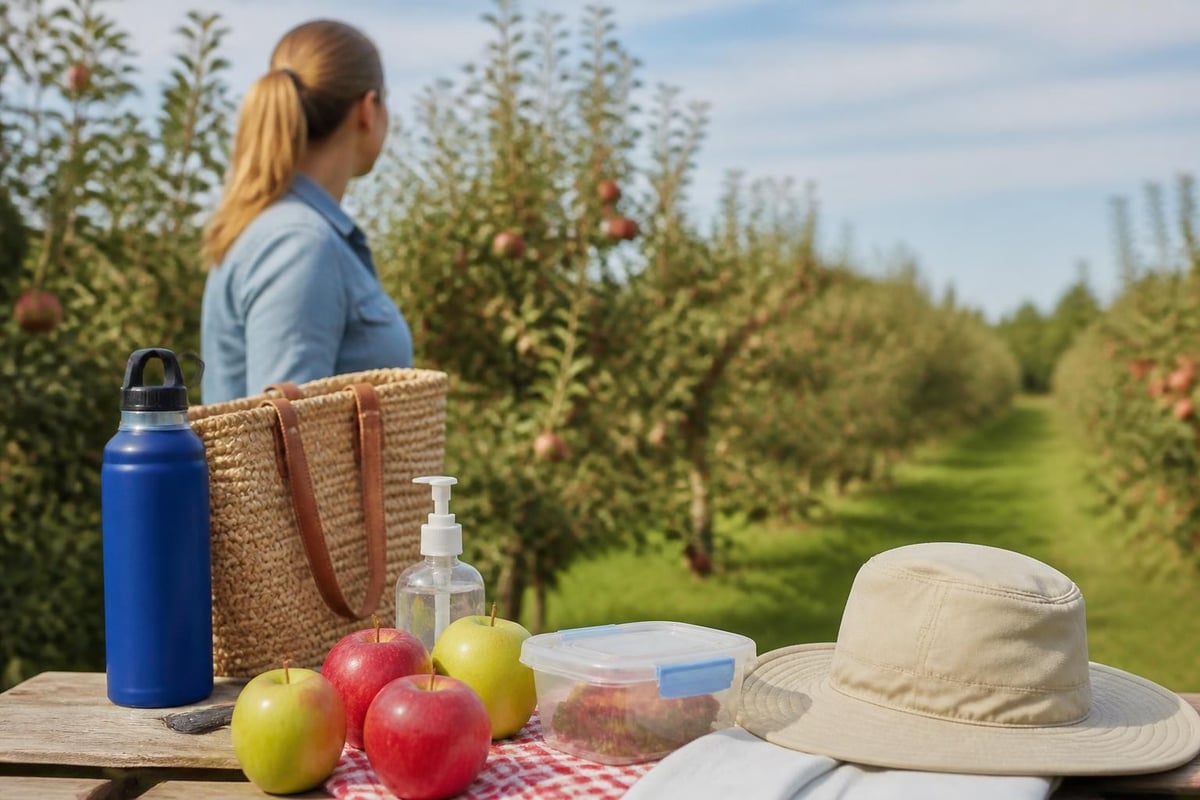
Dress in comfortable layers that accommodate changing temperatures and active movement through orchard rows. Closed-toe shoes with good traction prevent slips on uneven ground, fallen fruit, and morning dew. Avoid wearing white or bright colors that attract bees, which remain active around ripe fruit.
Essential items to pack:
- Reusable bags or baskets for transporting picked apples
- Sunscreen and hats for sun protection in open orchards
- Hand sanitizer or wipes for cleaning hands before eating samples
- Water bottles to stay hydrated during picking
- Camera or smartphone for capturing memories
Most orchards provide picking containers included with admission or purchase, though bringing your own bags helps transport fruit home safely. Check individual orchard policies regarding outside containers before your visit.
Proper Picking Techniques and Etiquette
Learning correct picking techniques preserves tree health, maintains fruit quality, and ensures productive orchards for future seasons. Apple picking in southern Maine orchards follows time-tested methods that benefit both visitors and farm operations.
The twist-and-lift method represents the gold standard for apple harvesting. Grasp the apple firmly, twist gently upward while lifting, and the stem should separate cleanly from the branch. Pulling straight down risks damaging fruit spurs that produce next year's crop.
Selecting Quality Fruit
Examine apples carefully before picking:
- Check for firmness by gently pressing the skin
- Look for consistent color appropriate to the variety
- Avoid fruit with bruises, soft spots, or insect damage
- Leave small or immature apples to continue developing
- Pick from different tree areas for size and ripeness variety
Higher branches often produce better fruit due to increased sun exposure, though this varies by orchard management practices. Use provided ladders or picking poles safely, following orchard staff instructions.
Respect orchard boundaries and designated picking areas. Some sections may be reserved for commercial harvest, research plots, or young trees not yet ready for public picking. The Maine Department of Agriculture, Conservation & Forestry oversees agricultural programs and safety standards affecting orchard operations throughout the state.
Family-Friendly Activities at Apple Orchards
Southern Maine orchards have evolved into comprehensive family destinations offering activities that engage visitors of all ages beyond simple fruit picking. These agricultural attractions provide educational opportunities while creating lasting family memories.
Children particularly enjoy hands-on farm experiences like feeding farm animals, navigating corn mazes, and riding hay wagons through scenic countryside. Many orchards design activities specifically for young visitors, including child-height apple trees, playground equipment, and seasonal crafts.
Educational components help children understand where food comes from and the work required to bring fresh produce to tables. Many orchards offer guided tours explaining pollination, pest management, harvest timing, and the journey from blossom to ripe fruit.
Seasonal Events and Special Programming
Peak season weekends often feature enhanced programming:
- Apple-themed crafts including painting, stamping, and decorating
- Live animal demonstrations with farm mascots and working animals
- Tractor-drawn hayrides through orchards and surrounding farmland
- Face painting and entertainment for younger children
- Cider tasting for adults (at orchards with beverage licenses)
Many visitors combine apple picking with exploring other regional attractions. After a morning at the orchard, families often head to coastal areas to enjoy Maine's famous beaches and seafood restaurants. The Maine Beaches provides comprehensive information about coastal destinations, helping visitors plan multi-activity days that combine agricultural tourism with beach exploration.
Making the Most of Your Harvest
Proper handling after picking preserves apple quality and flavor, allowing you to enjoy your harvest for weeks or even months. Most visitors pick 10-20 pounds of apples, though family groups often harvest much larger quantities.
Immediate cooling extends storage life significantly. Transport apples in breathable containers rather than sealed plastic bags, which trap moisture and accelerate spoilage. Many orchards provide paper bags or reusable mesh bags ideal for maintaining air circulation.
Storage and Preservation Methods
Different varieties require different storage approaches:
| Variety | Refrigerated Storage | Room Temperature | Best Uses |
|---|---|---|---|
| Honeycrisp | 2-3 months | 1-2 weeks | Fresh eating, salads |
| McIntosh | 2-3 months | 1 week | Sauce, fresh eating |
| Cortland | 3-4 months | 2 weeks | Baking, salads |
| Granny Smith | 3-4 months | 2-3 weeks | Pies, baking |
| Fuji | 4-5 months | 2-3 weeks | Fresh eating, storage |
Refrigerator storage at 32-40°F with high humidity provides optimal conditions. Store apples away from strong-smelling foods, as they readily absorb odors. Check stored apples weekly, removing any showing spoilage signs to prevent spread.
Recipe Ideas and Culinary Applications
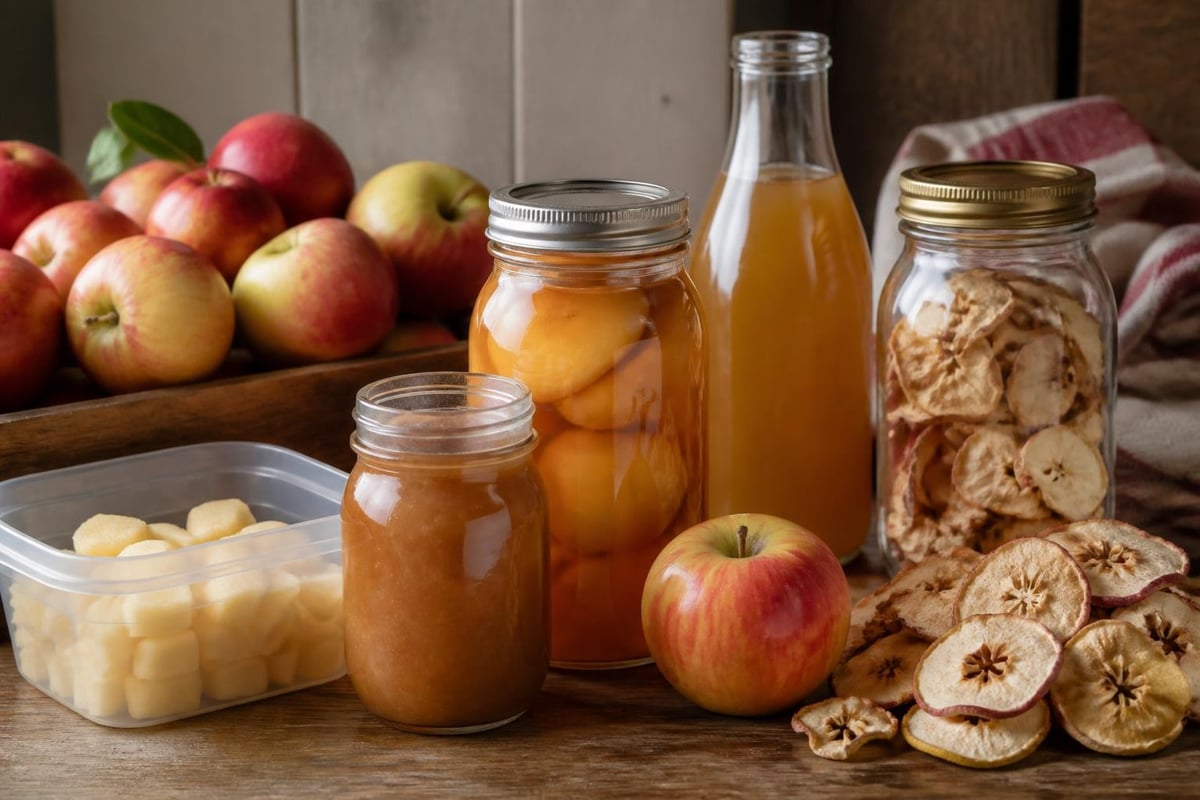
Fresh-picked apples inspire diverse culinary creations beyond traditional pies:
- Applesauce variations with spices, honey, or maple syrup
- Apple butter for spreading on breads and pastries
- Dried apple chips as healthy snacks
- Apple crisp and cobbler showcasing fruit texture
- Savory applications including pork dishes and salads
Combining multiple varieties in recipes creates complex flavor profiles. Tart apples like Granny Smith balance sweet varieties in pies, while McIntosh breaks down quickly for smooth sauce. Recent reporting by local media highlights how Maine orchards recommend variety pairings for specific recipes.
Combining Apple Picking with Other Regional Activities
Apple picking in southern Maine fits perfectly into broader coastal vacation itineraries, allowing visitors to experience both agricultural traditions and maritime culture. The region's compact geography places orchards within 15-30 minutes of beaches, historic towns, and cultural attractions.
Morning orchard visits work particularly well during September and October when cooler temperatures make picking comfortable. Afternoons can then be devoted to beach walks, lighthouse tours, or exploring charming coastal villages. This combination appeals to visitors seeking diverse experiences beyond single-focus trips.
Southern Maine's culinary scene complements orchard visits beautifully. After picking apples, many visitors enjoy fresh seafood dinners featuring local lobster, clams, and fish. Some restaurants incorporate seasonal apples into menu items, creating farm-to-table connections between agricultural and culinary tourism.
While the region offers distinct experiences from destinations like those featured by Sydney Adventure Tours with their bespoke Australian excursions, southern Maine provides equally memorable small-group and customized touring opportunities that connect visitors to local agriculture and coastal culture.
Planning Multi-Day Itineraries
Three-day weekend itineraries might include:
Day One: Arrive, explore coastal towns, dinner at waterfront restaurant
Day Two: Morning apple picking, afternoon beach time, evening lighthouse tour
Day Three: Farm market shopping, scenic drive, departure
Extending stays to four or five days allows deeper exploration of the region's offerings. Consider visiting multiple orchards to compare varieties and experiences, or spacing activities across multiple days rather than cramming everything into intensive schedules.
Supporting Local Agriculture and Sustainable Practices
Visiting orchards for apple picking in southern Maine directly supports family farms and preserves agricultural land threatened by development pressure. Many orchards have operated for multiple generations, maintaining working landscapes that provide environmental and community benefits beyond food production.
Agritourism income helps farms remain economically viable despite rising land values and operational costs. Pick-your-own operations, farm stands, and special events generate revenue streams that supplement wholesale fruit sales, allowing farms to continue operating rather than selling land to developers.
Environmental benefits of maintained orchards include:
- Wildlife habitat in hedgerows and non-cultivated areas
- Pollinator support through flowering trees and diverse plantings
- Carbon sequestration in trees and undisturbed soils
- Watershed protection compared to developed land
- Educational opportunities connecting communities to agriculture
Some orchards pursue organic certification, integrated pest management, or participate in conservation programs administered by state and federal agencies. Asking orchard owners about their practices demonstrates consumer interest in sustainable agriculture while helping visitors make informed choices aligned with their values.
Buying Additional Farm Products
Most orchard visits present opportunities to purchase complementary products supporting the farm's economic sustainability. Fresh-pressed cider, cider donuts, apple pies, jams, honey, and seasonal vegetables diversify farm income while providing visitors with authentic local products unavailable elsewhere.
Farm-made cider represents a particular specialty, with many orchards pressing multiple varieties to create signature blends. Unlike commercial apple juice, fresh cider is unpasteurized (though some farms offer pasteurized versions) and contains no added sugars or preservatives, delivering pure apple flavor.
Regional Variations and Specialized Orchards
Southern Maine's orchard landscape includes diverse operations ranging from small family farms with a dozen varieties to large commercial operations growing 40 or more types. Each offers distinct experiences shaped by farm size, management philosophy, and target markets.
Boutique orchards emphasizing heirloom varieties and organic practices attract visitors interested in agricultural heritage and sustainable farming. These smaller operations often provide more intimate, educational experiences with opportunities to speak directly with growers about orchard management.
Commercial orchards with extensive acreage offer wider variety selections, more developed amenities, and capacity to accommodate larger groups. These farms typically feature comprehensive farm markets, multiple activity areas, and extended seasonal hours.
Certified Organic and Eco-Friendly Operations
Several southern Maine orchards maintain organic certification, eliminating synthetic pesticides and fertilizers while focusing on soil health and ecological balance. Organic apple production faces significant challenges in Maine's humid climate, where fungal diseases and insect pressure require intensive management.
Visiting certified organic orchards supports farming systems that prioritize:
- Soil biology through compost and cover crops
- Natural pest control using beneficial insects and barriers
- Biodiversity in orchard ecosystems
- Long-term sustainability over short-term yields
- Transparency through third-party certification
Even non-organic orchards increasingly adopt sustainable practices, reducing chemical inputs while maintaining fruit quality and tree health. Ask staff about specific practices during your visit to understand each farm's approach.
Tips for First-Time Apple Pickers
First visits to pick-your-own orchards can feel overwhelming without basic knowledge about what to expect and how operations function. Apple picking in southern Maine orchards follows similar patterns across farms, though specific details vary.
Admission policies differ between orchards. Some charge entrance fees with separate fruit costs, while others charge only for picked apples by the pound or bag. Many require minimum purchases during peak season. Confirming pricing structure before arrival prevents surprises.
Most orchards operate on honor systems or semi-supervised picking, trusting visitors to pick responsibly and purchase what they harvest. Staff patrol orchards periodically but generally allow independent exploration. Weigh stations at farm markets record purchases and provide directions to currently available varieties.
Common Mistakes to Avoid
New pickers often make predictable errors:
- Over-picking more fruit than they can realistically use
- Ignoring variety recommendations for intended uses
- Picking under-ripe fruit that won't ripen after harvest
- Damaging trees through rough handling or improper ladder use
- Expecting perfectly uniform fruit like grocery store apples
Tree-ripened apples show more natural variation in size, shape, and color than commercially sorted fruit. Minor cosmetic imperfections don't affect flavor or quality. Learning to assess internal fruit quality rather than focusing solely on appearance enhances picking success.
Don't hesitate to ask orchard staff for guidance. Workers genuinely enjoy helping visitors select appropriate varieties and sharing knowledge about apple characteristics, harvest timing, and storage recommendations.
Health and Safety Considerations
Apple picking represents a relatively safe agricultural activity, though basic precautions prevent common injuries and ensure enjoyable experiences. Southern Maine orchards maintain safety standards appropriate for public access, though visitors assume responsibility for personal awareness.
Bee activity increases during apple harvest as fallen fruit ferments and attracts pollinators. Individuals with bee allergies should carry appropriate medications and notify companions of their condition. Moving calmly around bees reduces sting risk significantly compared to swatting or rapid movements.
Watch for:
- Uneven ground and exposed roots in orchard rows
- Fallen apples creating slip hazards, especially when wet
- Overhead branches when moving through trees
- Ladder stability before climbing
- Fatigue during extended picking sessions
Food safety practices matter when consuming fresh-picked fruit. While eating apples directly from trees tempts many visitors, rinsing fruit before consumption removes dust, environmental residues, and potential contaminants. Most orchards provide hand-washing stations near picking areas.
Young children require supervision around farm equipment, animals, and elevated areas. Many orchards post age or height restrictions for certain activities like high ladders or animal feeding areas.
Apple picking in southern Maine offers authentic autumn experiences that connect visitors to regional agriculture, seasonal rhythms, and the simple pleasure of harvesting fresh fruit in beautiful countryside settings. From selecting the perfect varieties to exploring family-friendly activities and supporting sustainable farms, these orchard visits create memories that extend well beyond the season. Whether you're planning a quick afternoon trip or a comprehensive coastal getaway, The Maine Beaches provides detailed guides to help you discover exceptional destinations, dining experiences, and cultural attractions throughout the region.