

Maine's autumn transformation draws visitors from around the world who seek to experience one of nature's most spectacular displays. The state's diverse landscape creates a unique mosaic of color that unfolds over several weeks, with brilliant reds, oranges, and yellows painting forests from the coastline to the mountains. Understanding when and where to witness peak fall foliage in Maine requires knowledge of regional timing, weather patterns, and the science behind the color change.
Understanding Maine's Foliage Timeline
The fall foliage season in Maine typically begins in mid-September in the northernmost regions and gradually progresses southward through mid-October. This extended viewing window offers visitors multiple opportunities to catch peak colors across different parts of the state.
Northern Maine experiences the earliest color changes, often reaching peak conditions during the last week of September. The cooler temperatures and shorter daylight hours at higher latitudes trigger the transformation first, creating stunning displays in Aroostook County and the North Maine Woods.
Central and Western Maine follow approximately one week later, with inland areas around Moosehead Lake, the Rangeley Lakes region, and the western mountains hitting their stride in early October. These areas benefit from higher elevations that accelerate the color change process.
Southern and Coastal Maine round out the season, typically peaking between October 10-20 depending on the year's weather patterns. The moderating influence of the Atlantic Ocean delays the color change slightly, extending the foliage season well into mid-autumn.
Scientific Factors Behind Color Change
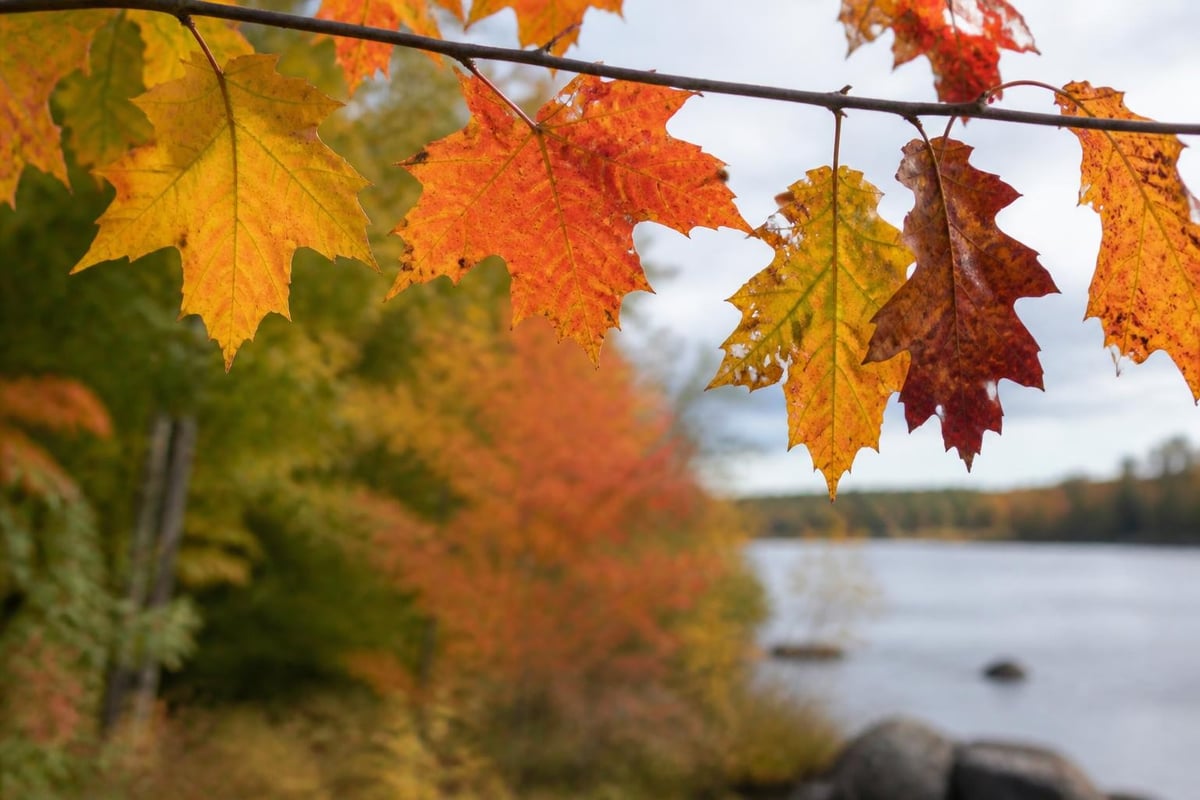
The brilliant colors that define fall foliage in Maine result from complex biochemical processes triggered by environmental cues. As days shorten and temperatures drop, trees cease chlorophyll production, revealing the carotenoids (yellows and oranges) and anthocyanins (reds and purples) that were masked during summer.
According to research from the University of Maine Cooperative Extension, different tree species produce distinct color palettes based on their pigment composition and genetic makeup. Sugar maples, for instance, develop the intense reds and oranges that Maine is famous for, while birches contribute golden yellows and aspens add lighter yellow tones.
Weather conditions significantly influence both timing and intensity of fall colors. Warm, sunny days combined with cool (but not freezing) nights produce the most vibrant displays. Adequate summer rainfall followed by dry autumn weather also enhances color development, while early frosts or prolonged drought can diminish the spectacle.
Best Locations for Viewing Fall Foliage
Maine offers countless vantage points for foliage viewing, each providing unique perspectives on the autumn transformation. Strategic planning helps maximize your experience across the state's varied landscapes.
Coastal Routes and Scenic Byways
The coastal region presents a distinctive backdrop where fall foliage meets ocean views. Route 1 along the southern coast offers intermittent glimpses of colorful trees framing harbors, lighthouses, and rocky shores. While less densely forested than inland areas, the coastal zone provides a unique contrast between autumn colors and the deep blue Atlantic.
Popular coastal viewing areas include:
- Ogunquit and Wells along the southern shore
- Portland's Back Cove and Eastern Promenade
- Camden Hills offering elevated coastal views
- Mount Desert Island and Acadia National Park
The Maine Tourism Association recommends combining coastal drives with inland excursions to experience the full spectrum of Maine's autumn palette.
Mountain and Lake Regions
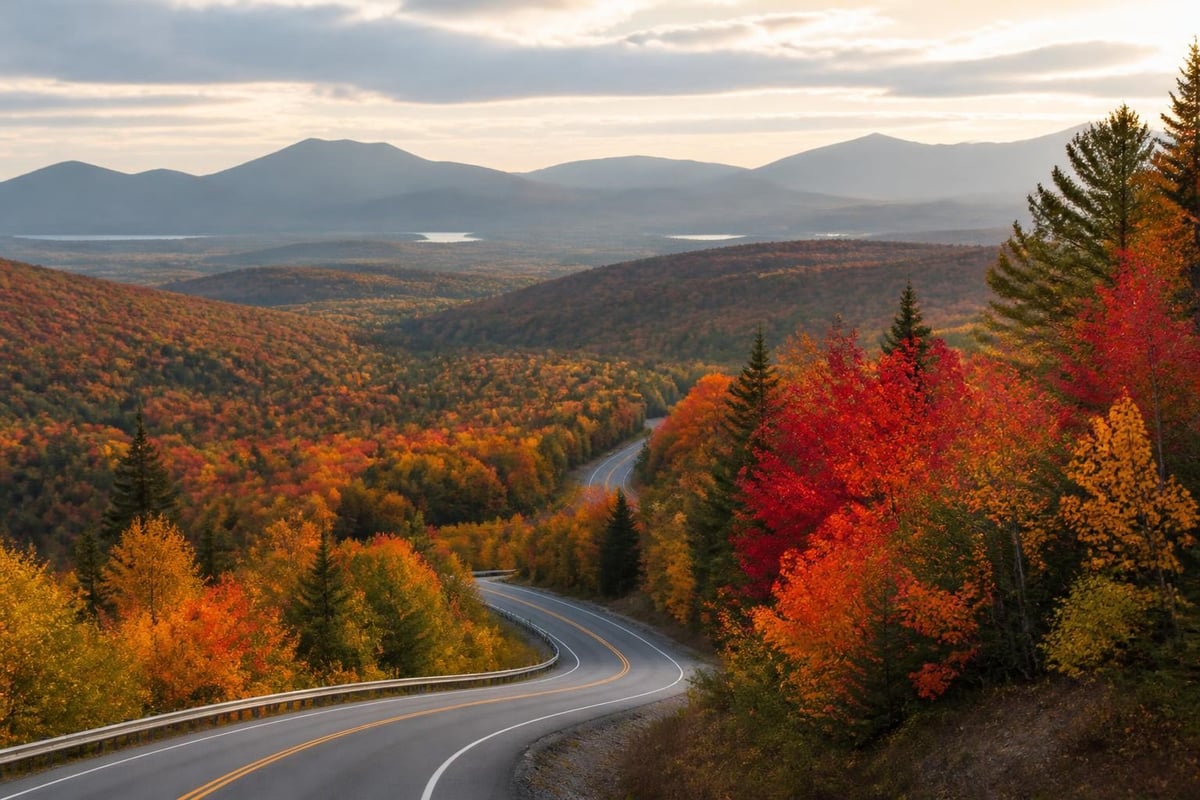
Western and central Maine's mountainous terrain creates the state's most dramatic foliage displays. Elevation changes produce layered color patterns, with higher elevations turning first and creating a descending wave of color as the season progresses.
| Region | Peak Timing | Signature Trees | Accessibility |
|---|---|---|---|
| Rangeley Lakes | Late Sept – Early Oct | Sugar maple, birch, aspen | Moderate to Easy |
| Moosehead Lake | Late Sept – Oct 5 | Red maple, beech, oak | Easy to Moderate |
| Carrabassett Valley | Sept 25 – Oct 10 | Maple, birch, poplar | Easy |
| Grafton Notch | Sept 20 – Oct 5 | Mixed hardwoods | Moderate |
Acadia National Park
As one of New England's premier destinations, Acadia National Park combines coastal scenery with forested mountains to create exceptional foliage viewing opportunities. The park's 27-mile Park Loop Road takes visitors through diverse ecosystems where different tree species create a patchwork of autumn colors.
Cadillac Mountain, the highest point on the Atlantic coast, provides panoramic views of fall foliage stretching across Mount Desert Island and the surrounding islands. The contrast between evergreen spruce forests and deciduous hardwoods adds visual interest to the landscape.
Planning Your Foliage Visit
Successful foliage tourism requires advance planning, especially during peak season when accommodation and popular viewing areas experience high demand. Several key factors determine the quality of your experience.
Timing Your Trip
The Maine Department of Agriculture, Conservation & Forestry publishes weekly foliage reports throughout autumn, providing real-time updates on color progression across the state. These reports, updated every Wednesday during peak season, offer the most reliable information for planning your visit.
Consider these timing strategies:
- Early season travelers (mid to late September) should focus on northern and western Maine
- Mid-season visitors (first two weeks of October) have the most flexibility across regions
- Late season enthusiasts (mid to late October) should concentrate on southern coastal areas
Weekend travel typically brings larger crowds to popular viewing areas, while midweek visits offer quieter experiences and better photography opportunities without competing tourists.
Accommodation Considerations
Peak foliage season represents one of Maine's busiest tourism periods. Lodging reservations made 2-3 months in advance ensure the best selection and rates, particularly in popular areas like the Kennebunks, Camden, and Bar Harbor.
Alternative accommodation options include:
- State park campgrounds offering immersive forest experiences
- Inland bed and breakfasts in quieter foliage zones
- Coastal towns south of Portland with easier availability
- Vacation rentals in rural areas near scenic byways
When visiting the southern coastal region during foliage season, the Official Visitors Guide provides comprehensive information about local attractions, dining, and lodging options that complement foliage viewing with beach town charm.
Transportation and Route Planning
Maine's rural character means many prime foliage areas require personal transportation. Rental cars offer the flexibility to explore back roads and adjust plans based on current conditions and foliage reports.
Recommended scenic drives include:
- Route 17 from Byron to Mexico (Rangeley Lakes corridor)
- Route 201 north from Solon (upper Kennebec Valley)
- Route 16 through Rangeley and Stratton
- Route 26 through Grafton Notch State Park
GPS reliability varies in remote areas, so paper maps or downloaded offline maps provide valuable backup navigation tools. Cell service can be intermittent in mountain valleys and northern forests.
Activities During Foliage Season
Fall foliage viewing extends beyond simple driving tours. Maine offers numerous activities that enhance the autumn experience and provide diverse perspectives on the seasonal transformation.
Hiking and Trail Exploration
Maine State Parks maintain an extensive network of trails specifically suited for fall foliage viewing. These trails range from easy shoreline walks to challenging mountain ascents, accommodating all fitness levels.
Top-rated foliage hikes include:
- Tumbledown Mountain (moderate to difficult, 5.6 miles)
- Mount Battie in Camden Hills State Park (easy to moderate, 1.8 miles)
- Burnt Meadow Mountain (moderate, 2.8 miles)
- Table Rock Trail in Grafton Notch (moderate, 2.4 miles)
Trail conditions change rapidly in autumn, with fallen leaves obscuring paths and wet conditions creating slippery surfaces. Proper footwear, layered clothing, and adequate water remain essential regardless of trail difficulty.
Water-Based Foliage Viewing
Maine's countless lakes and rivers offer unique perspectives on fall foliage that land-based viewing cannot match. Canoeing or kayaking through autumn landscapes provides intimate encounters with reflected colors and wildlife preparing for winter.
The Saco River, Sebago Lake, and the Belgrade Lakes chain all offer accessible paddling opportunities during foliage season. Guided tours operate in many regions, providing equipment and local knowledge for visitors without their own watercraft.
Photography Opportunities
Photographers flock to Maine during autumn to capture the season's vivid colors. Optimal lighting occurs during the golden hours shortly after sunrise and before sunset, when warm light enhances red and orange tones.
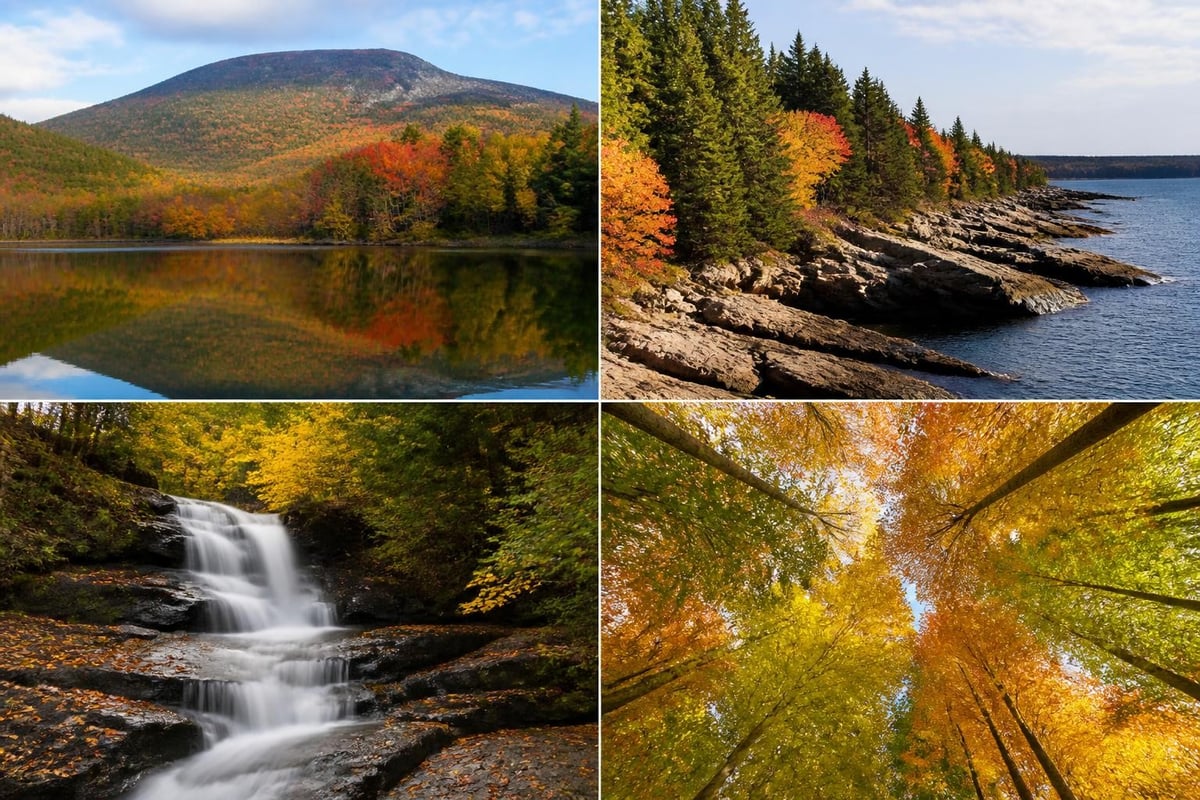
| Photography Subject | Best Locations | Ideal Conditions |
|---|---|---|
| Mountain reflections | Rangeley Lakes, Moosehead | Calm mornings, clear skies |
| Coastal contrast | Acadia, Camden | Partly cloudy, side lighting |
| Forest detail | Western mountains | Overcast, even lighting |
| Waterfalls | Grafton Notch, Katahdin region | After rain, cloudy |
Polarizing filters reduce glare from wet leaves and enhance color saturation, while tripods enable longer exposures for waterfall scenes and low-light forest interiors.
Tree Species and Color Identification
Understanding which trees produce specific colors enhances appreciation of Maine's fall foliage and helps predict timing in different areas. The state's mixed forests create complexity that distinguishes Maine from regions dominated by single species.
Dominant Hardwood Species
Sugar maples reign as the stars of Maine's fall display, producing brilliant oranges and reds when conditions align properly. These trees dominate higher elevations and well-drained sites throughout central and western Maine.
Red maples turn earlier than sugar maples, displaying deep crimson shades that provide the season's first intense colors. More tolerant of wet conditions, red maples populate lowland areas and wetland margins.
Birch species contribute yellow and gold tones that contrast beautifully with maple reds. White birch, yellow birch, and gray birch all turn at slightly different rates, extending the yellow color phase.
Oak species offer rich burgundy and brown tones later in the season. Red oak and white oak persist after maples have dropped their leaves, providing color into late October.
Understory and Accent Species
Smaller trees and shrubs add detail to the foliage tapestry. Sumac produces early crimson, often turning in late August before the main display begins. Blueberry bushes contribute ground-level reds across open areas and clearings.
Aspen and poplar turn golden yellow, creating bright patches in mixed forests. These species respond quickly to temperature changes and often signal the beginning of the color transition.
Weather's Impact on Fall Foliage
Year-to-year variations in fall foliage quality and timing reflect weather patterns throughout the growing season and into autumn. Understanding these relationships helps manage expectations and plan flexible itineraries.
Ideal Conditions for Vibrant Colors
The most spectacular fall foliage in Maine results from specific weather sequences. Adequate summer rainfall promotes healthy leaf development and carbohydrate accumulation. Dry, sunny autumn weather with warm days (60-70°F) and cool nights (40-50°F) triggers intense anthocyanin production.
Early hard frosts (below 28°F) can damage leaves before full color development, resulting in brown, withered foliage rather than brilliant reds. Extended warm periods delay color change, sometimes pushing peak conditions into late October or early November in southern regions.
Climate Trends and Future Patterns
Research from the USA National Phenology Network indicates that peak foliage timing has shifted slightly later in recent decades due to warming temperatures. Maine's 2026 season reflects these trends, with northern regions peaking in the final days of September rather than mid-month.
Long-term warming may gradually alter species composition in Maine's forests, potentially affecting future foliage quality. However, the state's northern latitude and topographic diversity should maintain excellent foliage displays for generations to come.
Practical Tips for Foliage Viewers
Maximizing your fall foliage experience in Maine involves both preparation and flexibility. Weather can change rapidly in autumn, requiring adaptable plans and appropriate gear.
Essential Packing Items
- Layered clothing for variable temperatures (morning lows in the 30s, afternoon highs in the 60s)
- Rain gear since autumn storms arrive with little warning
- Binoculars for distant vistas and wildlife observation
- Camera equipment with extra batteries (cold reduces battery life)
- Trail maps and compass or GPS device
- Snacks and water since rural areas have limited services
Crowd Management Strategies
Popular viewing areas like Acadia National Park and Route 17 experience heavy traffic during peak weekends. Arriving early (before 8 AM) at major attractions avoids the worst congestion and provides better light for photography.
Alternative routes and lesser-known viewing areas offer equally impressive foliage with fewer visitors. Local chambers of commerce and visitor centers provide suggestions for back roads and hidden gems that deliver authentic Maine experiences.
Safety Considerations
Autumn weather in Maine can be unpredictable and severe. Mountain areas may experience snow while coastal regions remain mild. Checking forecasts for specific destinations helps avoid dangerous conditions.
Wildlife activity increases during fall as animals prepare for winter. Moose encounters peak during autumn mating season, requiring caution when driving at dawn and dusk. Hunting seasons overlap with foliage viewing, making blaze orange clothing advisable when hiking in rural areas.
Regional Variations and Microclimates
Maine's geographic diversity creates distinct foliage patterns that vary by latitude, elevation, and proximity to water. Recognizing these patterns helps target specific viewing preferences.
Northern Interior Forests
The vast boreal forests of northern Maine contain more evergreens than southern regions, creating a different aesthetic. Patches of deciduous trees stand out against dark spruce backgrounds, producing isolated bursts of color rather than continuous canopies.
This region peaks earliest, typically between September 20-30, offering the first opportunity to experience fall foliage in Maine each season. Remote locations require more planning but reward visitors with solitude and pristine wilderness settings.
Midcoast and Downeast Regions
The transition zone between coastal influences and inland forests creates unique color patterns. Maritime climate effects moderate temperature extremes, sometimes resulting in more gradual color development but also protecting against early frost damage.
These areas peak in early to mid-October, bridging the gap between northern and southern Maine. The combination of working harbors, historic villages, and forested hills provides diverse photography subjects and cultural experiences alongside foliage viewing.
Southern Interior
The hill country of southwestern Maine experiences the season's final peak, often extending into the third week of October. Lower elevations and southern latitude delay the color change, but also create the most reliable viewing conditions for late-season visitors.
This region offers convenient access from major population centers and integrates easily with coastal tourism. Day trips from Portland or the southern beaches region allow visitors to combine foliage viewing with other Maine experiences.
Experiencing fall foliage in Maine offers unforgettable memories of nature's seasonal artistry, with diverse regions providing viewing opportunities from mid-September through October. Whether you're drawn to mountain vistas, coastal contrasts, or quiet forest trails, Maine's autumn transformation delivers spectacular colors and outdoor adventures. The Maine Beaches helps you discover the perfect combination of fall foliage viewing and coastal exploration, with comprehensive guides to southern Maine's beaches, dining, and attractions that complement your autumn adventure.