

Maine's coastline stretches over 3,500 miles when you account for every cove and inlet, offering visitors an incredible array of accommodation options that match the state's diverse geography. Whether you're seeking a romantic beachfront escape, a family-friendly lakeside retreat, or an adventurous camping experience near Acadia National Park, finding the right places to stay in Maine sets the foundation for an unforgettable trip. This guide walks you through everything from booking strategies to regional recommendations, helping you choose accommodations that align with your travel style and budget.
Coastal Inns and Bed-and-Breakfasts
The southern Maine coast hosts some of the most charming places to stay in Maine, with historic inns and bed-and-breakfasts clustered in towns like Kennebunkport, Ogunquit, and York. These properties often occupy renovated sea captains' homes or Victorian mansions, providing authentic New England character alongside modern amenities.
Key benefits of choosing coastal B&Bs:
- Personalized service from local hosts who know the area intimately
- Home-cooked breakfasts featuring regional ingredients
- Walking distance to beaches, shops, and restaurants
- Often more affordable than large resort properties
- Seasonal packages that include activities or dining credits
Many coastal inns close during the winter months, typically from November through April, so planning ahead is essential. National Geographic highlights several standout properties that remain open year-round, offering cozy fireside experiences during Maine's quieter season.
Booking Strategies for Coastal Properties
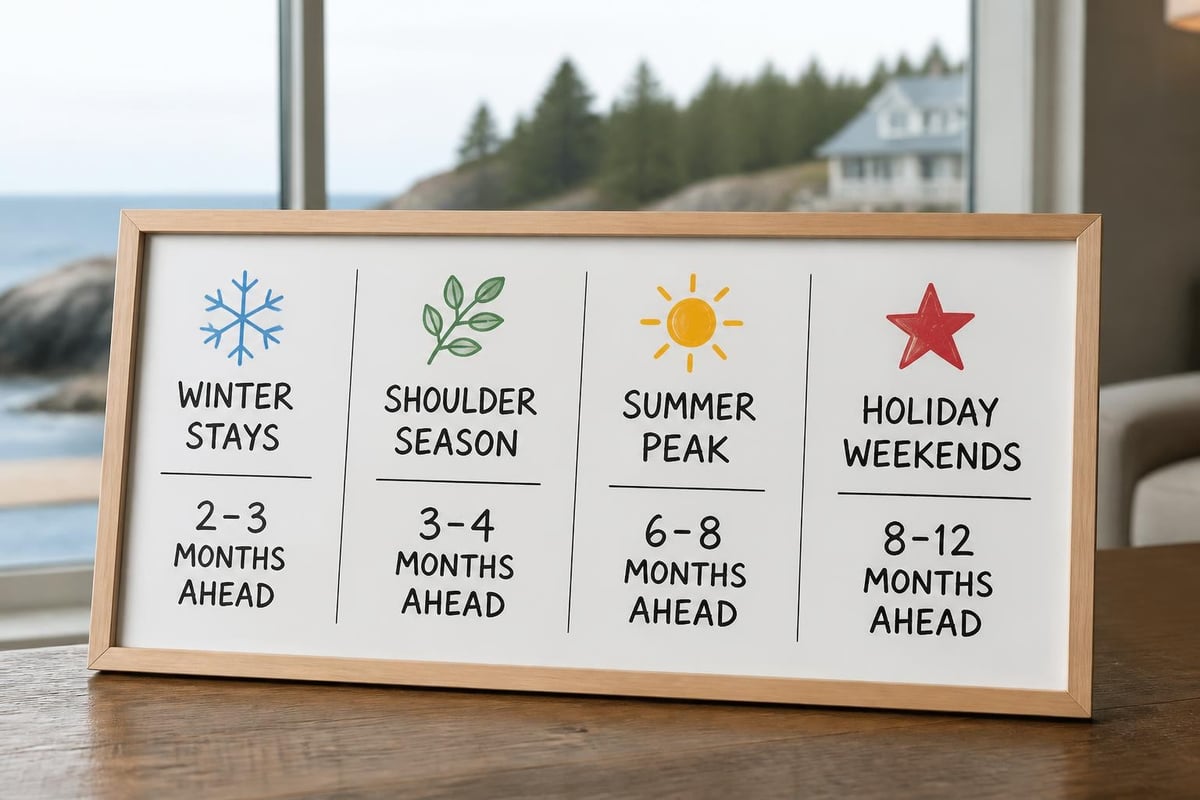
Summer weekends along the Maine coast book up quickly, sometimes six months in advance. Tuesday through Thursday stays often offer better rates and availability, even during peak season. Consider booking directly with properties rather than through third-party sites, as innkeepers frequently offer perks like room upgrades or late checkouts for direct reservations.
Vacation Rentals and Beach Houses
Vacation rentals represent a significant portion of places to stay in Maine, particularly for families and groups seeking more space and privacy. From oceanfront cottages to inland farmhouses, these properties provide full kitchens, multiple bedrooms, and often outdoor spaces perfect for gatherings.
The vacation rental market in Maine has evolved considerably. According to the Maine Housing Production Needs Study, short-term rentals now comprise a substantial segment of the coastal housing inventory, with implications for both travelers and local communities.
| Property Type | Average Nightly Rate | Best For | Typical Minimum Stay |
|---|---|---|---|
| Beach Cottage | $250-500 | Families, beach access | 3-7 nights |
| Inland Farmhouse | $175-350 | Groups, privacy | 2-3 nights |
| Luxury Waterfront | $600-1500 | Special occasions | 4-7 nights |
| Downtown Condo | $150-300 | Couples, walkability | 2 nights |
When searching for vacation rentals, read reviews carefully and verify the exact location. Properties described as "near the beach" might require a significant drive. Ask owners about parking availability, especially in congested summer destinations like Old Orchard Beach or Bar Harbor.
What to Look for in Rental Listings
Quality vacation rentals provide detailed information about amenities, clear cancellation policies, and responsive communication from hosts. Red flags include vague descriptions, stock photos instead of actual property images, or hosts who are difficult to reach during the booking process.
Check whether linens and towels are included, as some properties require guests to bring their own. Confirm cleaning fee structures and understand local checkout procedures. Many Maine rentals require same-day turnover, meaning strict 10 AM checkout times.
Campgrounds and RV Parks
For outdoor enthusiasts, Maine's campgrounds rank among the most scenic places to stay in Maine. The state operates 14 campgrounds within its park system, plus hundreds of private facilities ranging from rustic tent sites to full-service RV resorts.
Popular campground categories:
- State park campgrounds: Affordable, well-maintained, reserve 90 days in advance
- Private campgrounds: More amenities, activities, pools, and playgrounds
- Backcountry sites: Primitive camping in Acadia and other wilderness areas
- RV resorts: Full hookups, Wi-Fi, laundry, and social activities
- Glamping sites: Canvas tents or cabins with comfortable furnishings
The National Park Service guide to Acadia details camping options within and around the park, including reservation windows and seasonal availability. Blackwoods and Seawall campgrounds inside Acadia offer unparalleled access to hiking trails and coastal scenery.
Camping Season and Reservations
Maine's camping season typically runs from mid-May through mid-October, though dates vary by facility. Popular sites like those in Acadia National Park accept reservations starting in February for the upcoming season, and waterfront sites book within hours of becoming available.
Private campgrounds often offer more flexibility with same-day bookings and extended seasons. Many stay open into November or even year-round, catering to hardy campers who appreciate Maine's stunning fall foliage and winter solitude.
Hotels and Resorts
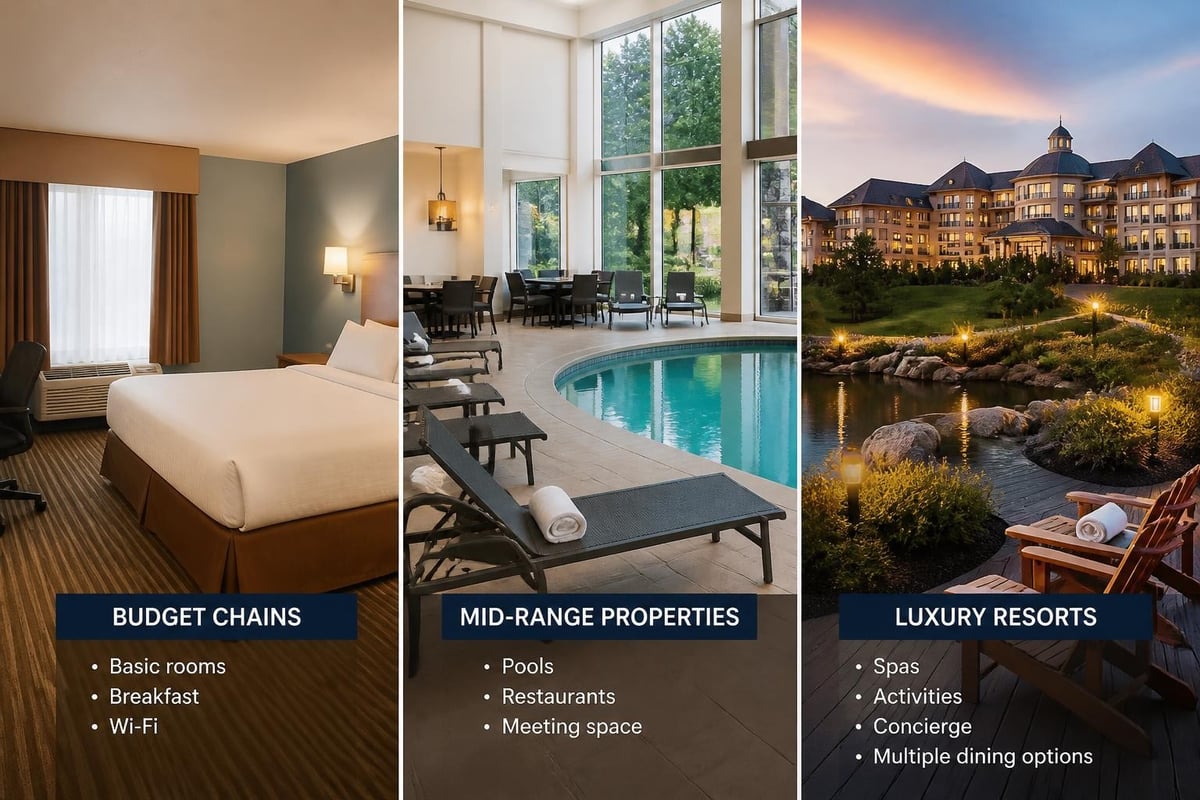
Traditional hotels serve as reliable places to stay in Maine for travelers seeking consistent quality, loyalty program benefits, and amenities like fitness centers and business services. Portland, Bangor, and Augusta offer familiar chain properties, while coastal destinations feature independent hotels with unique character.
Luxury resorts elevate the experience with spa services, fine dining, and curated activities. Properties like the ones featured by Condé Nast Traveler provide all-inclusive experiences where guests can enjoy everything from kayaking to cooking classes without leaving the grounds.
Regional Hotel Considerations
Southern Maine beaches attract the highest concentration of hotels, from budget motels to upscale oceanfront properties. Summer rates here peak in July and August, while shoulder seasons (May-June and September-October) offer significant savings without sacrificing good weather.
Mid-coast and Downeast regions have fewer hotel options, making advance booking critical during summer months. Bar Harbor serves as the primary hotel hub for Acadia visitors, with properties ranging from vintage motor lodges to modern boutique hotels.
Lakeside Cabins and Mountain Lodges
Interior Maine showcases a different side of the state, where places to stay in Maine include rustic cabins on pristine lakes and mountain lodges near ski resorts. These accommodations attract visitors seeking fishing, hiking, snowmobiling, and escape from coastal crowds.
Benefits of inland accommodations:
- Lower rates compared to coastal properties
- Access to freshwater swimming and boating
- Proximity to hiking trails and ski areas
- Peaceful settings with abundant wildlife
- Often pet-friendly policies
The Maine Statewide Comprehensive Outdoor Recreation Plan highlights growing demand for four-season recreation, which has spurred development of year-round lodging in previously seasonal areas. Sunday River and Sugarloaf regions now offer robust winter and summer accommodation options.
| Region | Season | Primary Activities | Lodging Availability |
|---|---|---|---|
| Rangeley Lakes | Summer/Fall | Fishing, hiking, leaf-peeping | High |
| Bethel/Sunday River | Winter/Summer | Skiing, mountain biking | Very High |
| Moosehead Lake | Summer/Fall | Boating, moose watching | Moderate |
| Baxter State Park vicinity | Summer/Fall | Hiking, camping | Limited |
Cabin Rental Essentials
Lake cabins vary dramatically in comfort level. Some are truly rustic with outhouses and hand-pumped water, while others rival luxury homes with chef's kitchens and hot tubs. Clarify exactly what "rustic" means before booking, and ask about access roads, which can be challenging in early spring or during heavy rains.
Many cabin rentals include boats or kayaks, but verify condition and availability. Fishing licenses are the renter's responsibility and can be purchased online through Maine's Department of Inland Fisheries and Wildlife.
Historic Hotels and Landmark Properties
Maine's history comes alive in its grand hotels, some dating back to the 19th century. These places to stay in Maine offer more than accommodation because they're destinations in themselves, with fascinating stories and impeccable preservation of period details.
The Poland Spring Resort, the Samoset Resort in Rockport, and various properties in Bar Harbor carry decades of hospitality tradition. Staying in these historic hotels means walking the same halls as presidents, artists, and industrialists who discovered Maine's appeal generations ago.
These properties often host special events, historical tours, and themed weekends that celebrate their heritage. While room configurations may feel smaller than modern hotels, the architectural details, original artwork, and meticulously maintained grounds create an atmosphere impossible to replicate in new construction.
Balancing History with Modern Expectations
Historic properties walk a fine line between preservation and modernization. Most have upgraded bathrooms and added air conditioning, but quirks remain like sloped floors, smaller closets, and unique room layouts. Read recent reviews to understand what's been updated and what retains its original character.
Accessibility can be challenging in older buildings. If you require an elevator or specific accommodations, communicate directly with the property to ensure they can meet your needs. Many historic hotels have invested significantly in accessibility improvements while maintaining their architectural integrity.
Selecting the Right Location
Geography plays a crucial role when choosing places to stay in Maine. The state stretches nearly 300 miles from Kittery to Eastport, and driving times between regions can surprise first-time visitors. Lonely Planet’s planning guide emphasizes selecting a base that minimizes driving while maximizing access to your priority activities.
Regional characteristics to consider:
- Southern beaches: Warmest water, most restaurants, heaviest crowds
- Mid-coast: Artistic communities, seafood, moderate development
- Downeast: Rugged beauty, authentic fishing villages, limited services
- Inland lakes: Family-friendly, affordable, freshwater activities
- Mountains: Hiking, skiing, fall foliage, four-season appeal
If you plan to explore top destinations along the southern Maine coast, staying in one town for your entire visit often proves more enjoyable than moving between properties. This approach lets you establish favorite restaurants, beaches, and routines while making day trips to neighboring areas.
Budget Considerations and Value
Accommodation costs in Maine vary dramatically by season, location, and property type. Understanding pricing patterns helps travelers find places to stay in Maine that deliver the best value for their budget.
Summer weekend rates on the coast can triple off-season prices at the same property. A beachfront inn charging $450 per night in July might offer the identical room for $150 in May or October. Yet weather in shoulder seasons often remains pleasant, with fewer crowds and better restaurant availability.
| Budget Level | Nightly Range | Typical Property Types | Best Booking Windows |
|---|---|---|---|
| Budget | $75-150 | Chain motels, basic campgrounds | Last-minute or far in advance |
| Mid-range | $150-300 | B&Bs, vacation rentals, regional hotels | 2-4 months ahead |
| Upscale | $300-500 | Luxury inns, full-service resorts | 4-6 months ahead |
| Luxury | $500+ | Premium resorts, historic landmarks | 6-12 months ahead |
Package deals often provide better value than booking components separately. Many hotels bundle lodging with dining credits, spa services, or activity packages at rates lower than purchasing each element individually.
Hidden Costs to Anticipate
Resort fees, cleaning charges, and parking costs can significantly impact your total accommodation expense. Vacation rentals typically add 10-15% in cleaning fees and sometimes charge for linens or damage deposits. Hotels in downtown areas may charge $20-40 daily for parking, while beachfront properties often include free parking.
Pet fees range from $25-75 per stay at pet-friendly properties. Some charge per night, others per stay, and restrictions on size or number of pets vary. Always confirm pet policies in writing before booking.
Family-Friendly Accommodation Features
Families searching for places to stay in Maine should prioritize specific amenities that make traveling with children more manageable. Properties marketed as "family-friendly" should offer more than just the ability to accommodate children.
Look for accommodations with multiple bedrooms or suite configurations that provide parents some privacy. Kitchen facilities help manage dietary restrictions and reduce meal costs. Pools, game rooms, and organized activities keep children entertained during downtime.
Top family-friendly amenities:
- Connecting rooms or suites with separate sleeping areas
- On-site pools or beach access with shallow water
- Laundry facilities for extended stays
- High chairs, cribs, and children's dinnerware available
- Activity programs or kids' clubs during summer months
Some vacation rentals cater specifically to families with beach toys, books, board games, and even Pack 'n Plays already provided. These thoughtful touches eliminate the need to pack bulky items and demonstrate a host's understanding of family travel needs.
Child Safety Considerations
Waterfront properties require extra vigilance with young children. Verify that balconies have secure railings, pools have proper fencing, and beach access routes don't cross busy roads. Ask hosts about water depth gradients at beaches, as some Maine beaches drop off quickly while others offer hundreds of feet of shallow wading.
Older properties may have steep staircases, low windows, or other features requiring supervision. Request first-floor accommodations if mobility or safety concerns exist, and don't hesitate to ask detailed questions about property layout before booking.
Accessibility and Special Needs
Modern places to stay in Maine increasingly accommodate guests with mobility challenges, dietary restrictions, and other special needs. However, older properties and remote locations may have limitations worth understanding before booking.
The Americans with Disabilities Act sets standards for public accommodations, but private vacation rentals and small B&Bs often fall outside these requirements. When accessibility matters, work directly with property owners to discuss specific needs rather than relying solely on generic "accessible" designations.
Newer hotels and resorts typically offer ADA-compliant rooms with roll-in showers, grab bars, and appropriate clearances. These rooms book quickly during peak season, so reserve well in advance and confirm your specific room assignment rather than just a "category" reservation.
Dietary and Medical Considerations
Guests with severe food allergies should choose accommodations with full kitchens or locations near grocery stores where they can source safe ingredients. Small coastal towns may have limited restaurant options, and B&B breakfasts might not accommodate all dietary restrictions.
Proximity to medical facilities matters for guests with health conditions. Coastal tourist towns have hospitals or urgent care clinics, but remote camping areas or inland cabins might be an hour or more from emergency services. Research medical facility locations before committing to isolated accommodations.
Unique and Unconventional Options
Beyond traditional hotels and rentals, Maine offers distinctive places to stay in Maine for travelers seeking memorable experiences. Lighthouses, converted barns, treehouses, and even yurts provide accommodation options that double as adventures.
Several working lighthouses now offer overnight stays, letting guests experience maritime history firsthand. These quarters tend to be cozy rather than luxurious, with spectacular views and isolation that appeals to romantics and solitude-seekers.
Converted barns and farmhouses dot the countryside, offering rustic elegance with modern systems. Many sit on working farms where guests can collect eggs, meet livestock, or purchase farm-fresh products. These stays connect visitors to Maine's agricultural heritage while providing comfortable lodging.
Unconventional accommodation types:
- Lighthouse keeper's quarters with ocean views
- Glamping tents with real beds and electricity
- Converted schoolhouses or churches
- Floating cabins or houseboats
- Tiny houses on scenic properties
Treehouses designed for adults have emerged as popular places to stay in Maine for couples celebrating anniversaries or seeking romantic getaways. These elevated structures offer privacy, unique perspectives, and the childhood thrill of sleeping among the branches.
Setting Expectations for Unique Stays
Unusual accommodations often sacrifice some conveniences for their distinctive character. Lighthouse stays might mean climbing many stairs with your luggage, limited climate control, or sharing bathroom facilities. Glamping sites provide comfort beyond tent camping but lack the amenities of hotels.
Research thoroughly and read reviews from guests with similar expectations. What one person considers "charmingly rustic" another might find uncomfortably primitive. Photos can be misleading, so look for reviewer comments about specific features important to you.
Environmental and Community Impact
Thoughtful travelers increasingly consider how their choice of places to stay in Maine affects local communities and the environment. Maine's tourism economy supports thousands of jobs, but rapid growth in short-term rentals has created housing challenges in some coastal towns.
Choosing locally-owned accommodations over national chains keeps more tourism dollars in Maine communities. B&Bs, independent hotels, and small campgrounds typically source supplies locally and employ community members year-round rather than seasonal staff.
Some properties have earned environmental certifications for their sustainability practices, from solar power to composting programs. These conscious operators demonstrate that hospitality and environmental stewardship can coexist successfully.
Supporting responsible tourism:
- Book directly with properties when possible
- Choose accommodations with demonstrated sustainability practices
- Respect quiet hours and community norms
- Support local restaurants and shops
- Follow Leave No Trace principles at campgrounds and natural areas
Length of stay impacts communities differently. Week-long rentals create less turnover stress on neighborhoods than rapid two-night rotations. If your schedule allows flexibility, consider longer stays that benefit both you and your hosts.
Selecting from the diverse places to stay in Maine means balancing location, budget, amenities, and the type of experience you're seeking. Whether you choose a historic coastal inn, a lakeside cabin, or a campsite under the stars, your accommodation sets the stage for exploring Maine's remarkable coastline and interior landscapes. The Maine Beaches provides comprehensive resources to help you plan every aspect of your coastal Maine adventure, from finding the perfect place to stay to discovering hidden beaches, exceptional dining, and unforgettable experiences along the southern Maine coast.