

Maine offers an extraordinary blend of rugged coastline, pristine wilderness, and charming New England culture that attracts millions of visitors each year. From the sandy shores of the southern coast to the granite peaks of Acadia National Park, the Pine Tree State delivers unforgettable experiences across every season. Whether you're seeking outdoor adventures, cultural enrichment, or simply a peaceful escape along the Atlantic, this guide will help you discover the most remarkable places to visit in Maine and plan your perfect journey through this remarkable state.
Coastal Towns and Beach Destinations
Maine's southern coastline features some of the most beautiful beach communities in New England, each offering its own distinct character and attractions. These towns serve as perfect base camps for exploring the region's natural beauty while enjoying excellent dining, shopping, and cultural activities.
Kennebunkport and Kennebunk
Kennebunkport stands out as one of the premier places to visit in Maine for those seeking classic New England coastal charm. This historic village combines stunning beaches with upscale boutiques, art galleries, and restaurants serving fresh-caught seafood.
Key attractions include:
- Goose Rocks Beach, known for its tidal pools and family-friendly atmosphere
- Dock Square's collection of shops and eateries
- Cape Porpoise Harbor, a working fishing village
- Walker's Point, the Bush family compound
The neighboring town of Kennebunk offers its own attractions, including three distinct beaches and the historic Brick Store Museum. Together, these sister communities provide diverse experiences from peaceful nature walks to sophisticated dining.
Ogunquit
Ogunquit translates to "beautiful place by the sea" in the native Abenaki language, and the town lives up to its name. The three-mile Ogunquit Beach consistently ranks among the finest beaches on the East Coast, with soft sand and relatively warm waters during summer months.
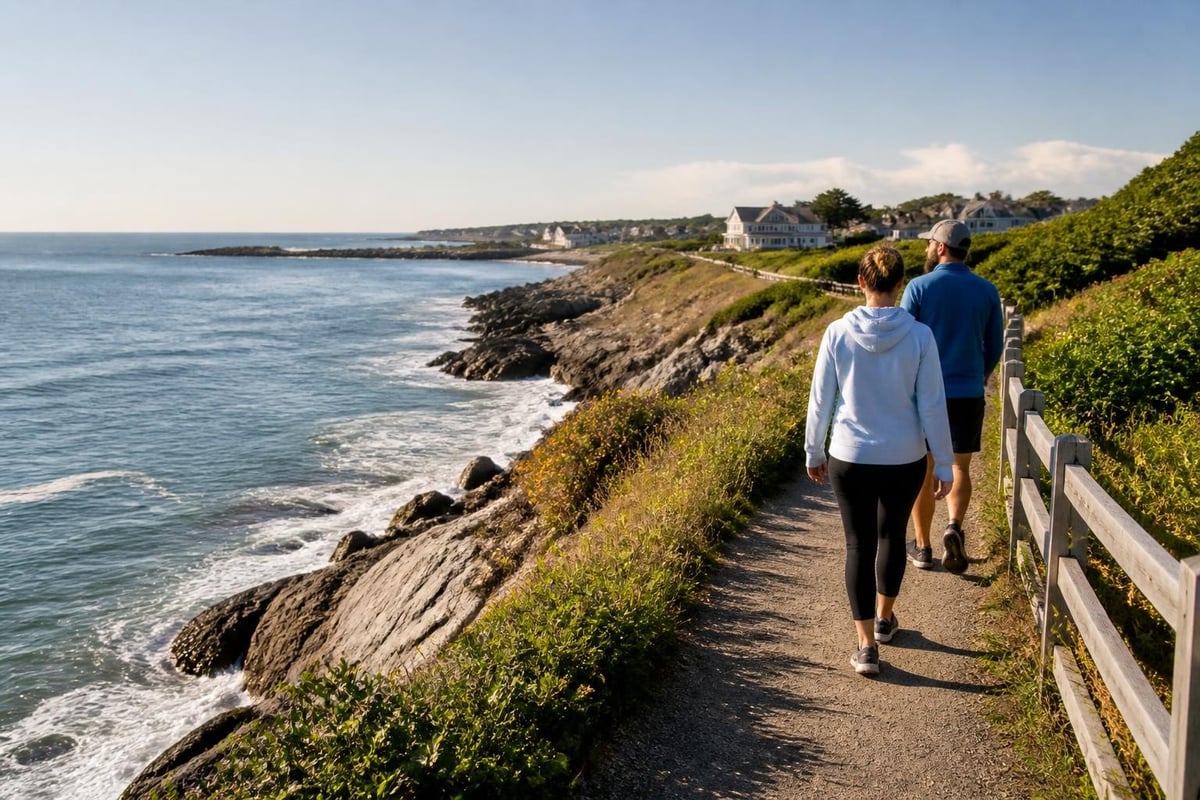
The Marginal Way, a 1.25-mile clifftop walking path, connects Ogunquit Beach to Perkins Cove and offers breathtaking ocean views. This pedestrian pathway features benches for resting and numerous photo opportunities of the rugged coastline. Perkins Cove itself is a charming fishing village turned artist colony, where visitors can watch lobster boats unload their catch while browsing galleries and gift shops.
Old Orchard Beach
For families seeking classic beach amusement, Old Orchard Beach delivers with its seven-mile sandy expanse and vintage seaside pier. The pier, stretching 500 feet into the Atlantic, features an arcade, restaurants, and nightlife venues. Palace Playland, New England's only beachfront amusement park, operates vintage rides alongside modern attractions.
This town offers a more casual, affordable atmosphere compared to some of Maine's upscale coastal communities. The beach itself provides ample space for swimming, boogie boarding, and building sandcastles, making it one of the most family-friendly places to visit in Maine.
| Beach Town | Best For | Key Feature | Season |
|---|---|---|---|
| Kennebunkport | Upscale dining & shopping | Dock Square | Year-round |
| Ogunquit | Scenic walks & art | Marginal Way | Apr-Oct |
| Old Orchard Beach | Family fun | Palace Playland | May-Sep |
| Wells | Wildlife & nature | Rachel Carson Refuge | Year-round |
For a comprehensive overview of beach destinations and activities throughout the southern coastal region, check out the Top Destinations guide.
Acadia National Park and Mount Desert Island
Acadia National Park represents one of the crown jewels among places to visit in Maine, attracting over three million visitors annually to its 49,000 acres of rocky coastline, woodland trails, and granite peaks. The park's location on Mount Desert Island creates a unique environment where mountains meet the sea.
Cadillac Mountain
Standing at 1,530 feet, Cadillac Mountain holds the distinction of being the first place in the United States to see sunrise from October through March. The summit, accessible by car via the auto road or by several hiking trails, offers 360-degree views of the island, Frenchman Bay, and the Atlantic Ocean.
Important visitor information:
- Vehicle reservations required for sunrise (May-October)
- Summit accessible by car, bike, or hiking trails
- Average temperature 10-15 degrees cooler than sea level
- Exposed to strong winds year-round
The official Acadia National Park website provides current information on trail conditions, vehicle reservations, and seasonal activities.
Bar Harbor
Bar Harbor serves as the primary gateway town for Acadia National Park and offers its own array of attractions. The downtown area features dozens of restaurants, shops, and galleries along Main Street and Cottage Street. The town green hosts concerts and events throughout summer months.
Whale watching tours depart regularly from Bar Harbor's waterfront, offering opportunities to see humpback, finback, and minke whales feeding in the Gulf of Maine. Sea kayaking tours provide intimate perspectives of the park's dramatic coastline and wildlife.
Carriage Roads and Hiking Trails
John D. Rockefeller Jr. gifted Acadia's 45 miles of crushed-stone carriage roads, which wind through forests and alongside lakes while crossing seventeen stunning stone bridges. These multi-use paths welcome walkers, bicyclists, and horseback riders but prohibit motor vehicles, creating peaceful routes for exploring the park's interior.
The park maintains over 150 miles of hiking trails ranging from easy shore walks to challenging mountain ascents. Popular routes include:
- Ocean Path (2 miles, easy) – follows the shoreline with views of Thunder Hole and Otter Cliff
- Precipice Trail (1.6 miles, strenuous) – features iron rungs and ladders up sheer cliff faces
- Jordan Pond Path (3.3 miles, moderate) – loops the pristine glacial pond
- Beehive Trail (1.5 miles, strenuous) – climbs via iron rungs to panoramic summit views

Portland and Casco Bay
Portland combines big-city cultural amenities with small-town accessibility, making it one of the most vibrant places to visit in Maine. The city's Old Port district features cobblestone streets, brick buildings housing boutiques and restaurants, and a working waterfront where fishing boats unload alongside pleasure craft.
Culinary Scene
Portland's restaurant scene punches well above its weight class, with James Beard Award-winning chefs and innovative eateries serving everything from traditional Maine lobster rolls to cutting-edge fusion cuisine. The city has earned recognition as one of America's best food cities.
Commercial Street and Wharf Street concentrate the highest density of restaurants, many featuring water views and outdoor seating during warmer months. The Maine Sea Grant lobster guide offers valuable context about Maine's iconic seafood industry and sustainable fishing practices.
Arts and Culture
The Portland Museum of Art houses significant collections of American, European, and contemporary art, including the largest public collection of works by Winslow Homer. The museum's State of Maine gallery showcases pieces that reflect the state's landscape and cultural heritage.
The waterfront area hosts the Maine Narrow Gauge Railroad Co. & Museum, where visitors can ride vintage trains along Casco Bay. The Victoria Mansion, a National Historic Landmark, displays pre-Civil War architecture and decorative arts in near-original condition.
Island Hopping
Casco Bay Lines operates year-round ferry service to six islands in Casco Bay, each offering unique experiences. Peaks Island, the most visited, features a car-free village, sandy beaches, and bike-friendly roads perfect for leisurely exploration. The ferry ride itself provides excellent views of Portland's skyline and working harbor.
Great Diamond Island maintains a quieter atmosphere with walking trails and historic Fort McKinley. Chebeague Island, the largest in the bay, offers a more rural experience with farms, beaches, and limited commercial development.
Inland Wilderness and State Parks
While Maine's coast attracts the majority of visitors, the state's interior regions offer equally compelling destinations for outdoor enthusiasts. These wilderness areas provide opportunities for hiking, camping, fishing, and wildlife observation far from coastal crowds.
Baxter State Park
Baxter State Park encompasses 209,644 acres of pristine wilderness surrounding Mount Katahdin, Maine's highest peak at 5,267 feet. The park maintains a strict wilderness character with limited facilities and no paved roads. Visitors seeking solitude and challenging outdoor experiences find Baxter ideally suited to their interests.
Mount Katahdin serves as the northern terminus of the Appalachian Trail, attracting through-hikers completing their 2,190-mile journey. Day hikers can summit via several routes, with the Knife Edge trail offering the most dramatic (and exposed) approach. Baxter State Park maintains detailed information about reservation requirements, camping options, and trail conditions.
The park hosts healthy populations of moose, black bear, deer, and loons. Early morning and evening hours provide the best wildlife viewing opportunities, particularly along ponds and wetlands.
Western Lakes and Mountains
The western region of Maine features numerous state parks and natural areas centered around pristine lakes and forested mountains. Sebago Lake State Park offers sandy beaches, camping facilities, and boat launches on Maine's second-largest lake. The park sees heavy use during summer but provides peaceful experiences during shoulder seasons.
Rangeley Lakes region combines outdoor recreation with small-town hospitality. The area's cold, clear waters support native brook trout and landlocked salmon populations, attracting anglers from across the country. Hiking trails ascend surrounding peaks, offering views across the interconnected lake system.
Western Maine highlights:
- Grafton Notch State Park – waterfalls, swimming holes, hiking
- Sunday River – year-round resort activities
- Bethel Village – historic New England town
- Evans Notch – scenic drives and backcountry camping
For travelers planning adventures throughout Maine's wilderness areas, the Maine Bureau of Parks and Lands provides comprehensive information about state parks, camping reservations, and seasonal access.
Lighthouses and Maritime Heritage
Maine's 3,500 miles of coastline feature over sixty lighthouses, many still operational and serving as navigational aids. These iconic structures represent Maine's maritime heritage while offering photographers and history enthusiasts compelling destinations.
Portland Head Light
Located in Cape Elizabeth, Portland Head Light stands as Maine's oldest lighthouse, commissioned by George Washington in 1791. The lighthouse grounds include a small museum housed in the former keeper's quarters, displaying artifacts and photographs documenting the station's history.
Fort Williams Park surrounds the lighthouse, offering walking paths, picnic areas, and rocky shores for exploration. The park's location provides excellent views of passing ships and Casco Bay's outer islands.
Nubble Light
Cape Neddick Light, commonly called Nubble Light, sits on a small rocky island just offshore from York Beach. While visitors cannot access the island itself, Sohier Park provides optimal viewing and photography angles from the mainland. The lighthouse appears on countless postcards and paintings, making it one of Maine's most photographed landmarks.
The park includes parking, restrooms, and interpretive signage explaining the lighthouse's history and operation. Sunset visits offer particularly dramatic lighting and fewer crowds than midday hours. For more information about visiting lighthouses throughout the region, explore the comprehensive lighthouse guide available through The Maine Beaches.
Bass Harbor Head Light
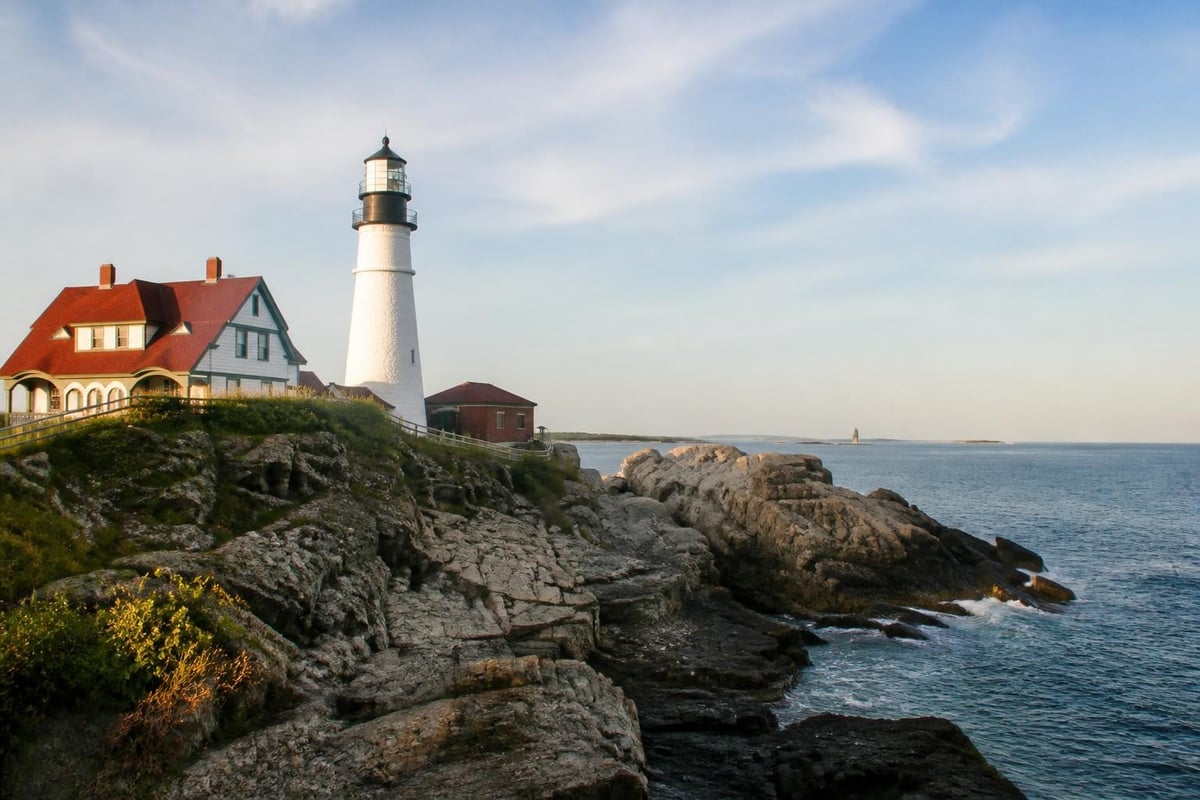
Located within Acadia National Park on Mount Desert Island's quiet side, Bass Harbor Head Light offers a more secluded lighthouse experience. The station sits atop a rocky cliff, accessible via a short trail from the parking area. The perspective from the rocks below provides the most dramatic photography angles, though care must be taken when navigating the shoreline.
The lighthouse remains an active aid to navigation, and the keeper's house serves as a Coast Guard residence, meaning interior access is not available. However, the grounds remain open during daylight hours for photography and sightseeing.
| Lighthouse | Location | Access | Best Feature |
|---|---|---|---|
| Portland Head | Cape Elizabeth | Grounds open daily | Museum & fort |
| Nubble Light | York | View from park | Photography |
| Bass Harbor | Mount Desert Island | Short trail | Cliff setting |
| Pemaquid Point | Bristol | Museum open seasonally | Rocky coast |
Seasonal Considerations and Activities
The best time to visit Maine depends largely on your interests and tolerance for crowds. Each season offers distinct advantages and challenges for travelers exploring places to visit in Maine.
Summer Season (June-August)
Summer brings warm temperatures, long daylight hours, and the full opening of tourist facilities. Beach towns buzz with activity, restaurants operate extended hours, and outdoor attractions reach peak accessibility. However, this popularity creates challenges including higher accommodation prices, restaurant wait times, and crowded parking at popular destinations.
Coastal water temperatures reach their warmest in August, typically between 60-65°F – still quite cool by national standards. NOAA tide predictions help visitors plan beach activities around optimal tide conditions for swimming and tidepool exploration.
Fall Foliage (September-October)
Autumn transforms Maine's forests into spectacular displays of red, orange, and gold. The foliage season typically peaks in early October along the coast and mid-September in northern regions. This period offers comfortable temperatures for hiking, fewer crowds than summer, and excellent photography conditions.
Festival seasons coincide with fall foliage, with harvest celebrations, craft fairs, and cultural events occurring throughout the state. Apple orchards and pumpkin patches open for pick-your-own experiences.
Winter Activities (December-March)
Maine's winter season caters to snow sports enthusiasts and those seeking peaceful off-season coastal experiences. Ski resorts operate throughout the western mountains, offering downhill and cross-country skiing, snowboarding, and snowshoeing.
Coastal towns take on a quiet beauty during winter months, with many restaurants and shops maintaining limited hours or closing seasonally. However, this creates opportunities for peaceful beach walks and discounted accommodation rates. Some visitors appreciate the stark beauty of snow-covered lighthouses and frozen harbors.
Spring Awakening (April-May)
Spring in Maine arrives gradually, with southern coastal areas warming weeks before northern regions. This season sees fewer tourists while offering mild temperatures ideal for hiking and exploring without summer's heat and humidity. Mud season affects unpaved roads and backcountry trails, particularly in April.
Maple syrup season occurs in March and April, with many sugarhouses opening for tours and tastings. Migrating birds return to coastal areas, making this an excellent time for birdwatching enthusiasts.
Practical Travel Planning
Successfully navigating Maine requires understanding the state's geography, infrastructure, and seasonal patterns. While National Geographic’s Maine travel guide provides excellent general background, local knowledge helps optimize your itinerary.
Transportation Considerations
Maine's size and rural character make personal vehicles the most practical transportation option for most visitors. Interstate 95 runs along the coast from Kittery to Houlton, providing the primary north-south corridor. However, the most scenic drives follow coastal Route 1 and interior scenic byways.
Regional distances from Portland:
- Kennebunkport: 30 miles (45 minutes)
- Acadia National Park: 175 miles (3 hours)
- Baxter State Park: 220 miles (4 hours)
- Rangeley: 135 miles (2.5 hours)
Many outdoor enthusiasts combine beach destinations with inland adventures, creating diverse itineraries. For those focused on coastal exploration, basing yourself in the southern beach region provides easy access to numerous towns and attractions.
Accommodation Options
Maine offers accommodation ranging from luxury resorts to rustic camping. Coastal towns feature the highest concentration of hotels, inns, and vacation rentals, with rates varying significantly by season. Booking well in advance becomes essential for peak summer months and fall foliage season.
Camping provides affordable options throughout the state, with both private campgrounds and public facilities in state parks. Backcountry camping requires permits in some wilderness areas, particularly Baxter State Park.
Preparing for Outdoor Adventures
Whether you're planning beach days or mountain hiking, proper preparation enhances safety and enjoyment. Pack layers regardless of season, as Maine weather can change quickly, especially along the coast. Even summer mornings often require light jackets or sweatshirts.
For outdoor enthusiasts planning extended adventures, quality gear makes significant differences in comfort. When preparing for multi-day excursions into places like Baxter State Park or the Rangeley region, RCS Outdoors offers specialized equipment suited to Maine's variable conditions.
Beach visitors should bring reef-safe sunscreen, as Maine's northern latitude provides deceptively strong UV exposure during summer. Tides change significantly along the coast, sometimes exposing tide pools and sandbars or covering beaches entirely.
Regional Food and Drink Culture
Maine's culinary identity centers on seafood, particularly lobster, but the state's food scene extends far beyond traditional offerings. Contemporary chefs incorporate locally sourced ingredients, creating innovative dishes that honor Maine's heritage while embracing modern techniques.
Lobster and Seafood Traditions
Lobster shacks dot the coastline, serving fresh-caught lobster prepared simply – steamed and served with drawn butter. Lobster rolls come in two styles: the traditional Maine version with cold lobster meat and mayonnaise on a top-split bun, and the Connecticut-style warm lobster with butter.
Clam shacks offer another coastal tradition, serving fried clams, clam strips, and whole-belly clams alongside french fries and coleslaw. Many establishments occupy seasonal buildings, operating only from May through October.
Seafood dining tips:
- BYOB policies common at casual lobster shacks
- Cash-only operations frequent at smaller establishments
- Picnic tables and outdoor seating standard
- Lines form during peak dinner hours
Finding the best seafood restaurants throughout the coastal region becomes easier with a comprehensive dining guide organized by town, helping visitors locate authentic experiences in each community.
Craft Beverages
Maine's craft brewery scene has exploded over the past decade, with Portland alone hosting dozens of breweries. Many feature taprooms serving locally-inspired beers alongside gastropub menus. Brewery tours and tastings provide insight into production processes and regional ingredients.
The state's craft distillery industry produces vodka, gin, and whiskey using Maine ingredients. Some distilleries offer tours demonstrating the distillation process from grain to bottle.
For coffee enthusiasts seeking a unique morning ritual during their Maine adventure, Pixies Brew provides convenient pour-over packets that deliver quality coffee anywhere – perfect for early beach mornings or remote campsite sunrises before exploring the day's destinations.
Hidden Gems and Off-the-Beaten-Path Destinations
While popular destinations deserve their acclaim, Maine harbors numerous lesser-known locations that reward adventurous travelers willing to venture beyond guidebook highlights.
Schoodic Peninsula
The Schoodic section of Acadia National Park receives a fraction of the visitors compared to Mount Desert Island, yet offers equally stunning coastal scenery. The one-way scenic loop road provides pullouts for viewing surf crashing against pink granite ledges.
The peninsula features several hiking trails, including the Schoodic Head trail ascending to panoramic views. The area's remoteness creates opportunities for solitude rare in Acadia's main section.
Monhegan Island
Located ten miles offshore, Monhegan Island maintains a year-round community of lobstermen and artists. The island features no paved roads, cars, or modern resort development. Day visitors arrive via ferry from Port Clyde, Boothbay Harbor, or New Harbor.
Seventeen miles of trails traverse the island's 700 acres, passing dramatic cliff overlooks, historic sites, and quiet forests. Artist studios open their doors to visitors during summer months, displaying work inspired by the island's dramatic landscapes.
Cobscook Bay State Park
Near the Canadian border, Cobscook Bay experiences some of the world's highest tides, with water levels changing up to 28 feet between high and low tide. The state park offers camping, hiking, and exceptional opportunities for observing tidal effects on coastal ecosystems.
The park's location near Eastport and Lubec provides access to additional attractions including West Quoddy Head Light, the easternmost point in the United States, and reversing falls at Pembroke.
Belfast and Midcoast Villages
The Midcoast region between Portland and Acadia features charming villages that maintain authentic working waterfronts alongside arts communities. Belfast combines Victorian architecture with a vibrant downtown featuring galleries, theaters, and restaurants.
Camden's harbor, backed by mountains, creates one of Maine's most photographed scenes. The town serves as home port for multiple windjammer schooners offering multi-day sailing cruises along the coast.
Rockland hosts the Farnsworth Art Museum, which houses significant collections of American art with emphasis on Maine artists. The museum's Wyeth Center displays works by three generations of the Wyeth family.
Protecting Maine's Natural Resources
Responsible tourism ensures that places to visit in Maine remain pristine for future generations. Visitors play crucial roles in preserving the state's natural beauty and supporting sustainable tourism practices.
Leave No Trace Principles
Whether hiking mountain trails or exploring beaches, Leave No Trace principles protect sensitive environments:
- Plan ahead and prepare
- Travel and camp on durable surfaces
- Dispose of waste properly
- Leave what you find
- Minimize campfire impacts
- Respect wildlife
- Be considerate of other visitors
Beach visitors should remove all trash, respect dune restoration areas, and avoid disturbing nesting shorebirds. Many beaches post signs during nesting season (May-August) indicating protected areas.
Supporting Local Communities
Choosing locally-owned restaurants, shops, and accommodations directs tourism dollars to community members rather than distant corporations. Maine's economy depends significantly on tourism revenue, with responsible visitors ensuring sustainable benefits.
Purchasing Maine-made products, whether blueberry jam, handcrafted furniture, or locally-roasted coffee, supports artisans and food producers maintaining traditional practices. Many farms and producers welcome visitors for tours and direct sales.
Understanding Coastal Ecosystems
Maine's coast supports diverse ecosystems requiring protection from human impacts. Tide pools contain delicate organisms easily damaged by careless handling. Visitors should observe without removing creatures or disturbing rocks.
The Gulf of Maine's relatively cold waters support unique marine life, including multiple whale species, seals, porpoises, and numerous fish populations. Responsible whale watching operations maintain safe distances and follow marine mammal protection guidelines.
For property owners in coastal communities thinking about long-term investment protection, particularly those who've relocated to Maine's beautiful shore regions, maintaining structural integrity against harsh maritime weather becomes essential. While focused on North Carolina's coast, NC Roofs exemplifies the type of proactive roof maintenance and honest assessment approach that coastal homeowners anywhere should seek from local contractors to protect their investments from salt air, wind, and winter weather.
The insights provided by organizations like the Maine Tourism Association help balance visitor experiences with environmental stewardship and community sustainability.
From pristine beaches and rocky coastlines to wilderness peaks and cultural destinations, Maine rewards visitors with diverse experiences across every season. The state's commitment to preserving natural beauty while welcoming travelers creates opportunities for authentic exploration and memorable adventures. The Maine Beaches provides the comprehensive resources and local expertise you need to plan your perfect Maine coastal journey, discover hidden gems, and make the most of every moment along this remarkable shoreline.