

Finding the perfect beach destination requires more than just looking at photos of turquoise water and white sand. The best places to visit with beaches offer diverse experiences that cater to different interests, whether you're seeking adventure, relaxation, cultural immersion, or natural beauty. From the rugged Atlantic coastline to tropical island retreats, understanding what makes each destination unique helps you plan trips that create lasting memories and deliver exactly the experience you're seeking.
Understanding Different Types of Beach Destinations
Not all beaches are created equal, and the variety available to travelers in 2026 means you can find exactly the right match for your preferences and travel style.
Rocky Coastal Beaches
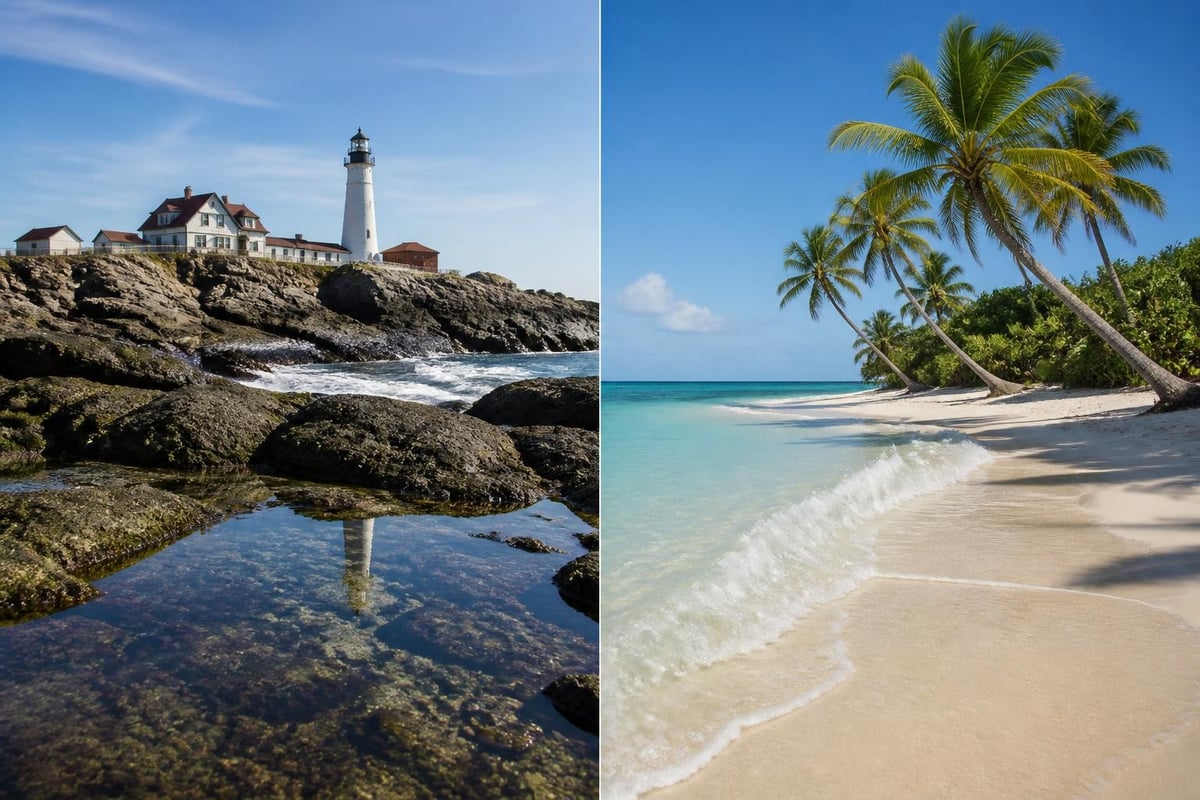
The northeastern United States, particularly Maine, exemplifies the dramatic beauty of rocky coastlines. These destinations feature granite outcroppings, tide pools teeming with marine life, and historic lighthouses that have guided sailors for centuries. The water tends to be cooler, but the trade-off comes in stunning scenery and authentic coastal culture.
Rocky beaches offer unique advantages for certain travelers:
- Excellent tide pooling and marine observation opportunities
- Less crowded conditions compared to tropical destinations
- Rich maritime history and cultural attractions
- Fresh seafood directly from local fishermen
- Dramatic photographic opportunities year-round
Temperature considerations matter when planning visits to northern coastal regions. Summer months from June through September provide the most comfortable conditions, though spring and fall offer their own appeal with fewer crowds and spectacular foliage along the coast.
Tropical Sand Beaches
When most people imagine places to visit with beaches, they picture palm trees swaying over powdery white sand. Tropical destinations deliver this classic experience with warm water, extensive sunshine, and lush vegetation creating postcard-perfect settings.
Caribbean islands, Hawaii, and similar locations provide consistently warm conditions but vary significantly in character. Some islands emphasize luxury resorts, while others maintain a more rustic, authentic atmosphere that appeals to budget-conscious travelers and those seeking cultural immersion.
Mediterranean and European Coastlines
European beach destinations blend historical significance with coastal beauty. The Mediterranean offers warm, calm waters alongside ancient ruins, world-renowned cuisine, and sophisticated beach culture. From the French Riviera to the Greek Islands, these locations attract travelers who want beaches combined with art, architecture, and culinary excellence.
The Croatian coast has emerged as a particularly compelling option, offering Mediterranean beauty at more accessible price points than traditional hotspots. Clear Adriatic waters, medieval towns, and excellent local wines create a well-rounded experience.
Planning Your Beach Destination Visit
Strategic planning transforms a simple beach trip into an exceptional experience that maximizes your time and budget while minimizing common frustrations.
Seasonal Timing Considerations
Choosing when to visit dramatically impacts your experience. Peak season brings ideal weather but also crowds and premium pricing. Shoulder seasons often provide the best value proposition.
| Season | Advantages | Disadvantages | Best For |
|---|---|---|---|
| Peak | Perfect weather, all facilities open | Highest prices, crowded beaches | First-time visitors, families |
| Shoulder | Lower prices, smaller crowds, good weather | Some facilities closed, variable conditions | Experienced travelers, couples |
| Off-Season | Dramatic savings, empty beaches | Cool/rainy weather, limited services | Budget travelers, locals |
Understanding beach safety protocols becomes especially important when visiting during less-supervised off-season periods. Always check current conditions before entering the water.
Accommodation Strategy
Where you stay shapes your entire beach vacation experience. Consider proximity to the beach, but also access to dining, activities, and cultural attractions.
Beachfront properties command premium rates but eliminate transportation hassles. You can return to your room easily throughout the day, perfect for families with young children or those seeking maximum relaxation.
Town-center locations typically cost less while providing walkable access to restaurants, shops, and nightlife. A short walk or drive to the beach becomes worthwhile when you have evening entertainment options at your doorstep.
Vacation rentals increasingly dominate the market for places to visit with beaches, offering full kitchens that help families save money on dining and provide more space than traditional hotel rooms.
Top Beach Destinations by Region
Different regions offer distinct advantages depending on what you value most in a beach vacation.
Northeast Atlantic Coast
Maine's southern beaches represent some of the most underappreciated coastal destinations in America. While the water stays cooler than tropical alternatives, the region compensates with exceptional seafood, charming historic towns, and beaches that range from sandy expanses to rocky coves perfect for exploration.
Old Orchard Beach provides a classic boardwalk experience with amusement park rides and arcade games that transport visitors back to simpler times. Families appreciate the shallow, gradually sloping beach that allows children to play safely in the water.
Kennebunkport offers a more refined atmosphere with upscale boutiques, art galleries, and restaurants serving farm-to-table cuisine alongside fresh-caught lobster. The area's historic architecture and presidential connections add layers of interest beyond the beach itself.
For comprehensive information on exploring this region, the Official Visitors Guide provides detailed insights into beaches, dining, and attractions throughout southern Maine's coastal communities.
Caribbean Islands
The Caribbean encompasses hundreds of islands, each with unique character. Research helps identify which island matches your priorities.
- Turks and Caicos: Pristine beaches with exceptional snorkeling and diving
- Barbados: Rich culture, great surfing, and friendly local atmosphere
- St. Lucia: Dramatic volcanic landscapes combined with luxury resorts
- Aruba: Reliable sunshine, calm waters, and modern amenities
- Dominican Republic: All-inclusive value with long stretches of beach
Hurricane season runs from June through November, creating risk during those months. Travel insurance becomes especially important if booking summer or fall trips to the Caribbean.

Pacific Coast Destinations
California's coastline stretches over 800 miles, providing enormous variety in beach experiences. Southern California beaches like Laguna Beach and Coronado offer warmer water and classic beach town culture, while northern destinations like Mendocino provide rugged beauty and cooler temperatures.
Hawaii remains the ultimate American tropical beach destination. Each island offers different character:
- Maui: Ideal for first-time visitors with excellent beaches and activities
- Kauai: Lush landscapes and more isolated, natural settings
- Oahu: Urban energy in Honolulu plus famous surf breaks
- Big Island: Active volcanoes and diverse climate zones
Oregon and Washington coastlines deliver dramatic scenery with sea stacks, tide pools, and forests meeting the ocean. Water temperatures stay cold year-round, making these destinations better for walking, exploring, and photography than swimming.
Activities and Experiences at Beach Destinations
The best places to visit with beaches offer far more than just sunbathing opportunities. Diverse activities ensure everyone in your travel group finds engaging experiences.
Water Sports and Recreation
Modern beach destinations cater to active travelers with extensive equipment rental and instruction options. Paddleboarding has exploded in popularity, offering a low-impact way to explore calm coastal waters while getting excellent exercise.
Kayaking allows access to sea caves, isolated coves, and wildlife viewing opportunities impossible to reach from shore. Many destinations offer guided tours that combine paddling with natural history education.
Traditional water sports remain popular:
- Surfing and bodyboarding at wave-rich locations
- Snorkeling and scuba diving to explore marine ecosystems
- Sailing and catamaran excursions
- Fishing charters for deeper water species
- Jet skiing and parasailing for thrill-seekers
Cultural and Historical Exploration
Coastal regions have shaped human history for millennia, creating rich cultural experiences at beach destinations. Maritime museums document fishing traditions, shipwrecks, and naval history that defined entire eras.
Historic lighthouses serve as both functional navigation aids and museums preserving lighthouse keeper life. The architecture alone justifies visits, but the stories of isolation and dedication add emotional depth.
Local seafood culture provides another avenue for cultural engagement. Fish markets, dockside eateries, and cooking classes teach you about regional species and traditional preparation methods. Understanding what's in season and why certain dishes developed locally enriches every meal.
Environmental Considerations and Beach Health
Responsible beach tourism requires understanding environmental impacts and health considerations that protect both visitors and coastal ecosystems.
Water Quality and Safety
The EPA monitors beach water quality across the United States, providing real-time information about advisories and closures. Checking these resources before visiting ensures you're not swimming in contaminated water.
Factors affecting water quality include:
- Storm runoff carrying pollutants from land
- Proximity to river mouths and agricultural areas
- Local wastewater treatment infrastructure
- Recent weather patterns and water temperature
According to WHO recreational water guidelines, understanding bacterial levels and potential health risks helps visitors make informed decisions about water contact activities.
Coastal Conservation
Beach erosion threatens many destinations. Research on coastal hardening demonstrates how human infrastructure accelerates natural erosion processes, potentially eliminating beaches over time.

Visitors can minimize their impact:
- Stay on designated paths to prevent dune erosion
- Remove all trash and participate in beach cleanups
- Avoid disturbing wildlife, especially nesting birds and sea turtles
- Use reef-safe sunscreen to protect marine ecosystems
- Support businesses committed to environmental sustainability
The Nature Conservancy's coastal resilience work showcases nature-based solutions that protect beaches while maintaining their recreational value. Understanding these efforts helps visitors appreciate conservation importance.
Hidden Gems and Emerging Destinations
While famous beaches attract millions annually, lesser-known places to visit with beaches often provide superior experiences with fewer crowds and more authentic local culture.
Underrated American Beaches
Gulf Shores, Alabama offers white quartz sand beaches without the development intensity of neighboring Florida. State parks preserve natural areas while the town provides modern amenities at reasonable prices.
Tybee Island, Georgia sits just 18 miles from historic Savannah, allowing visitors to combine beach relaxation with one of America's most beautiful cities. The laid-back atmosphere and lack of high-rise development create an old-Florida vibe increasingly rare along the Atlantic coast.
Cape May, New Jersey features Victorian architecture and the East Coast's oldest seaside resort, offering history alongside beaches. The entire town holds National Historic Landmark status, protecting its 19th-century character.
International Emerging Destinations
Portugal's Algarve region provides Mediterranean climate and beaches at prices well below similar Spanish and Italian destinations. Dramatic cliffs, hidden coves, and authentic fishing villages create postcard scenery without tourist saturation.
Albania's Riviera remains virtually unknown to American travelers despite offering stunning Ionian Sea beaches comparable to nearby Greece at a fraction of the cost. Limited direct flights keep crowds manageable, rewarding adventurous travelers willing to handle minor logistical challenges.
Mozambique attracts divers and beach lovers seeking pristine coral reefs and undeveloped coastline. Portuguese colonial architecture adds cultural interest, while the developing tourism infrastructure means you'll encounter few other international visitors.
Practical Tips for Beach Travel
Successful beach vacations require specific preparation beyond standard travel planning.
Packing Essentials
Smart packing prevents common beach vacation frustrations and expenses:
| Category | Must-Have Items | Why It Matters |
|---|---|---|
| Sun Protection | SPF 50+ sunscreen, hat, sunglasses, UV shirt | Prevents painful burns and long-term skin damage |
| Beach Gear | Quick-dry towel, waterproof phone case, beach bag | Comfort and protecting valuables from sand/water |
| Footwear | Water shoes, sandals, casual walking shoes | Hot sand protection, reef safety, versatility |
| First Aid | Aloe vera, antihistamines, bandages, jellyfish spray | Treating common beach injuries immediately |
Purchasing beach items at your destination costs significantly more than bringing them from home. Many hotels charge rental fees for beach chairs, umbrellas, and towels that add up quickly over a week-long stay.
Photography and Memory Preservation
Natural lighting at beaches creates ideal photography conditions during golden hours just after sunrise and before sunset. Midday sun produces harsh shadows and squinting subjects, making timing crucial for quality photos.
Protect camera equipment from sand and salt spray using weather-sealed cameras or waterproof cases. Even small amounts of sand damage lens mechanisms and electronic components over time.
Consider these composition tips:
- Include foreground elements like driftwood or rocks for depth
- Shoot during incoming or outgoing tides for dynamic water movement
- Use people for scale in landscape shots
- Capture local details like fishing boats and coastal architecture
- Vary perspectives from low sand-level shots to elevated viewpoints
Budget Planning for Beach Destinations
Places to visit with beaches span enormous price ranges, but strategic planning makes even premium destinations accessible.
Cost Breakdown
Understanding where money goes helps identify savings opportunities:
Transportation often represents the largest single expense. Booking flights 6-8 weeks in advance typically yields better prices than last-minute purchases, though mistake fares and flash sales occasionally disrupt this pattern. Shoulder-season travel can save hundreds per ticket.
Accommodation pricing varies wildly. All-inclusive resorts bundle everything for one price, simplifying budgeting but sometimes costing more than à la carte approaches. Vacation rentals with kitchens allow grocery shopping instead of restaurant dining for every meal.
Activities add up quickly, especially water sports and excursions. Many beaches offer free or low-cost enjoyment-swimming, walking, and beach games cost nothing. Prioritize a few special experiences rather than booking something every day.
Money-Saving Strategies
Shoulder season travel to places to visit with beaches can reduce costs by 30-50% compared to peak periods. You'll sacrifice perfect weather guarantees but often enjoy better service with smaller crowds.
- Book accommodation with kitchen facilities
- Shop at local markets for fresh, affordable ingredients
- Limit alcohol consumption at resort prices
- Choose free beach activities over expensive excursions
- Pack snacks and reusable water bottles
Group travel splits accommodation and transportation costs. Renting a large beach house for extended family or friends often costs less per person than individual hotel rooms while providing more space and communal areas.
Safety Considerations at Beach Destinations
Understanding potential hazards ensures your beach vacation remains enjoyable rather than turning into a medical emergency or dangerous situation.
Ocean Hazards
Rip currents cause approximately 100 deaths annually in the United States alone. These powerful channels of water flowing away from shore can drag even strong swimmers into deeper water. If caught in a rip current, swim parallel to shore until free, then angle back toward the beach.
Warning signs to recognize:
- Gaps in wave patterns where water appears calmer
- Discolored water indicating sand suspension
- Foam or debris moving seaward
- Seaweed lines pointing away from shore
National Geographic's feature on world-class beaches highlights not just beauty but also what makes certain beaches safer and more accessible for different skill levels.
Marine life presents varying risks depending on location. Jellyfish stings cause painful welts but rarely serious complications. Vinegar neutralizes most jellyfish toxins, making it worth packing in first-aid supplies for tropical beach vacations.
Sun Exposure Management
Sunburn remains the most common beach injury, causing immediate discomfort and increasing long-term skin cancer risk. Reapply sunscreen every two hours and immediately after swimming, even with water-resistant formulas.
Seek shade during peak UV hours from 10 AM to 4 PM. Beach umbrellas, cabanas, and even pop-up tents provide critical protection, especially for children whose skin burns more quickly than adults.
Making the Most of Your Beach Vacation
Maximizing enjoyment while minimizing stress requires balancing planning with spontaneity.
Daily Routine Optimization
Successful beach days follow a loose structure that accommodates both activities and relaxation. Arriving early claims prime beach spots before crowds appear and allows swimming during calmer morning waters.
Mid-morning suits water sports and active recreation when energy levels peak. Late morning transitions naturally to lunch, either at beachfront restaurants or picnics brought from accommodations.
Afternoon options:
- Return to air-conditioned accommodations during hottest hours
- Explore shaded trails or indoor cultural attractions
- Nap and recharge for evening activities
- Engage in covered deck relaxation with books or conversation
Evening beach walks as temperatures cool provide peaceful reflection time and spectacular sunset views. Many beach towns come alive after dark with live music, outdoor dining, and social scenes worth experiencing.
Balancing Activity and Relaxation
The temptation to pack every moment with activities leads to vacation exhaustion rather than refreshment. Build in down time as intentionally as you schedule excursions.
Some days should involve nothing more ambitious than reading on the beach, occasional swims, and leisurely meals. This balance prevents the phenomenon of needing a vacation to recover from your vacation.
Choosing from the many incredible places to visit with beaches requires matching destination characteristics to your travel style, budget, and interests. Whether you're drawn to the historic coastal towns and fresh seafood of New England, the tropical warmth of Caribbean islands, or dramatic Pacific coastlines, understanding what makes each destination unique helps create memorable experiences. When you're ready to explore exceptional beaches combined with rich culture and outstanding dining, The Maine Beaches provides comprehensive guides to one of America's most authentic coastal regions, helping you discover hidden gems and plan unforgettable trips along Maine's beautiful shores.