

Kittery, Maine's southernmost coastal town, offers visitors a unique blend of rocky shorelines, protected coves, and sandy stretches that define the character of beaches Kittery Maine proudly maintains. As the gateway to New England's northern coast, this historic maritime community provides beach enthusiasts with quieter, more intimate coastal experiences compared to its busier neighbors. Whether you're seeking tide pool exploration, scenic picnicking spots, or simply a peaceful place to watch the Atlantic waves, Kittery's beaches deliver authentic Maine coastal charm. Click here to view our official visitors guide.
The Three Main Beaches Kittery Maine Offers
Understanding the distinct character of each beach helps visitors choose the right destination for their coastal adventure. Kittery maintains three primary beach areas, each with unique features and appeal.
Seapoint Beach
Seapoint Beach represents one of the most picturesque spots among beaches Kittery Maine features. This rocky beach stretches along Route 103, offering stunning ocean views and a rugged New England coastline experience. The beach attracts photographers and nature lovers who appreciate dramatic coastal scenery.
Key Features:
- Rocky terrain with tide pools perfect for exploration
- Limited parking with strict seasonal restrictions
- Spectacular sunrise views over the Atlantic
- Popular spot for beachcombing and coastal walks
Parking at Seapoint Beach is restricted to residents with permits during peak summer months, making early morning or off-season visits more accessible for out-of-town visitors. The current water quality status for Sea Point Beach is regularly monitored to ensure visitor safety.

Crescent Beach
Crescent Beach offers a more sheltered experience with its distinctive curved shoreline. This beach provides calmer waters compared to the more exposed Seapoint, making it a favorite among families with young children.
The beach features a mix of sand and smooth stones, creating ideal conditions for building sandcastles and collecting sea glass. Visitors can check Crescent Beach water quality monitoring before planning their visit.
| Feature | Crescent Beach | Seapoint Beach | Fort Foster Beaches |
|---|---|---|---|
| Beach Type | Sand and stone mix | Rocky | Multiple sandy areas |
| Parking | Moderate availability | Restricted (summer) | Large parking area |
| Water Conditions | Protected, calmer | Open ocean | Varies by location |
| Best For | Families | Photography | Full-day visits |
Fort Foster Park Beaches
Among beaches Kittery Maine residents and visitors treasure most, Fort Foster Park stands out as the crown jewel. This 90-acre historic waterfront park features multiple beach areas, including Pier Beach, making it the most versatile coastal destination in town.
Fort Foster Park combines natural beauty with historical significance, offering visitors beaches, walking trails, picnic facilities, and remnants of military fortifications dating back to the 1800s. The park charges a modest entrance fee during summer months, which helps maintain the pristine condition of the grounds and beaches.
Fort Foster Amenities:
- Multiple beach access points with varying characteristics
- Extensive picnic areas with tables and grills
- Historic battery ruins to explore
- Walking trails with coastal views
- Tidal pools teeming with marine life
- Pier fishing opportunities
The diverse beach options within Fort Foster allow visitors to choose between sandy swimming areas and rocky exploration zones. Fort Foster Pier Beach water quality is monitored regularly throughout the swimming season.
Water Quality and Safety at Beaches Kittery Maine
Understanding water quality standards helps ensure safe and enjoyable beach visits. Maine takes beach safety seriously, implementing comprehensive monitoring programs across its coastline.
Maine Healthy Beaches Program
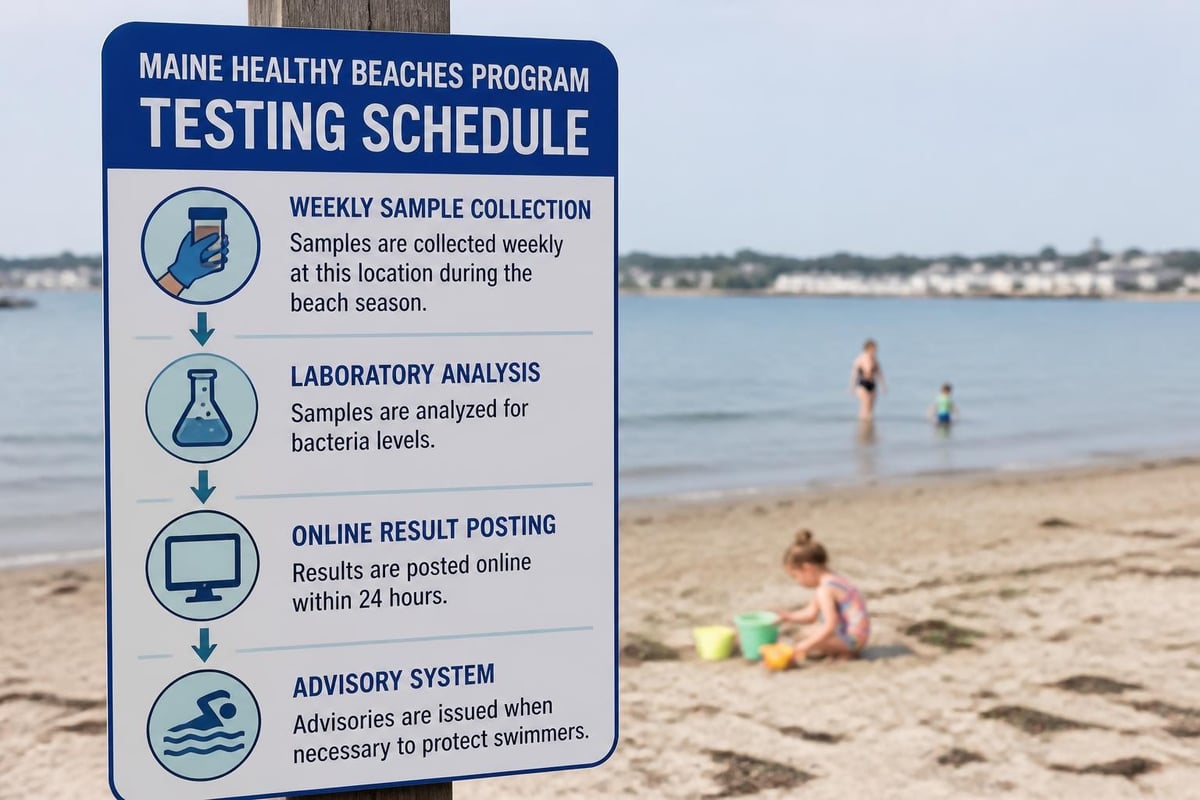
The Maine Healthy Beaches Program monitors over 60 coastal beaches statewide, including all beaches Kittery Maine maintains. This program tests water samples weekly during the swimming season, checking for bacteria levels that could indicate health risks.
Testing occurs from Memorial Day through Labor Day, with results posted online within 24 hours. The program provides transparency, allowing beachgoers to make informed decisions about where and when to swim.
What Gets Tested:
- Enterococcus bacteria levels
- Rainfall impact on water quality
- Stormwater runoff effects
- Overall swimming safety conditions
Checking Current Beach Status
Before heading to any of the beaches Kittery Maine offers, visitors should consult the beach status information provided by the town. This resource includes real-time water quality data and any temporary advisories.
Water quality can change rapidly after heavy rainfall, as runoff carries bacteria into coastal waters. The monitoring system helps protect public health by identifying when conditions temporarily become unsuitable for swimming.
Seasonal Considerations for Beach Visits
Timing your visit significantly impacts the beach experience. Each season brings distinct advantages and challenges to beaches Kittery Maine maintains.
Summer Peak Season (June through August)
Summer delivers the warmest water temperatures and longest daylight hours, but also brings the largest crowds and strictest parking regulations. Water temperatures typically reach 60-65°F by late July, making swimming more comfortable than spring or fall.
Summer Tips:
- Arrive before 9 AM to secure parking
- Bring beach permits if available through accommodations
- Pack sun protection and plenty of water
- Check tide schedules for optimal beach access
- Reserve Fort Foster visits for weekdays when possible
Shoulder Seasons (May and September)
These months offer excellent opportunities to experience beaches Kittery Maine features without summer crowds. Water remains cold, but beachcombing, photography, and coastal walks become more enjoyable with cooler temperatures and fewer visitors.
September often delivers spectacular weather with reduced humidity and comfortable temperatures. The ocean retains some summer warmth, though swimming requires tolerance for cooler water.
Off-Season Benefits (October through April)
Winter and early spring transform Kittery's beaches into peaceful retreats perfect for contemplative walks and storm watching. While swimming becomes impractical, these seasons reveal the raw beauty of the Maine coast.
| Season | Water Temp | Crowd Level | Best Activities |
|---|---|---|---|
| Winter | 35-40°F | Minimal | Storm watching, photography |
| Spring | 45-55°F | Light | Beachcombing, bird watching |
| Summer | 60-65°F | Heavy | Swimming, family outings |
| Fall | 55-60°F | Moderate | Photography, peaceful walks |
Exploring Beyond the Sand
The beaches Kittery Maine provides serve as gateways to broader coastal exploration. The town's location makes it an ideal base for discovering southern Maine's attractions.
Historical Context
Kittery’s rich history as Maine's oldest incorporated town dates back to 1647. The beaches and coastline played vital roles in shipbuilding, fishing, and military defense throughout American history. Fort Foster itself represents this heritage, with fortifications constructed to protect Portsmouth Harbor.
Understanding this context enriches beach visits, transforming simple seaside outings into connections with centuries of maritime tradition.
Tide Pool Exploration
Rocky sections of beaches Kittery Maine features create exceptional tide pool habitats. These miniature ecosystems reveal fascinating marine life when explored responsibly.
Common Tide Pool Discoveries:
- Periwinkle snails
- Green crabs
- Sea stars
- Hermit crabs
- Barnacles
- Seaweed varieties
- Small fish trapped in pools
Always practice ethical tide pool exploration by looking but not removing creatures, replacing rocks carefully, and avoiding disturbing habitats.

Practical Information for Beach Visitors
Planning ahead ensures enjoyable visits to beaches Kittery Maine maintains. These practical considerations help maximize your coastal experience.
Parking and Access
Parking restrictions vary significantly between beaches. Fort Foster offers the most accessible parking with a large lot accommodating numerous vehicles, though it fills quickly on summer weekends. The entrance fee includes parking, making it the most straightforward option for non-residents.
Seapoint Beach presents the greatest parking challenge, with resident-only restrictions during summer months. Crescent Beach offers moderate parking availability but requires early arrival during peak season.
Essential Items to Pack
Beach Bag Checklist:
- Sun protection (SPF 30+, hat, sunglasses)
- Reusable water bottles
- Beach towels and blankets
- Snacks and lunch
- First aid supplies
- Tide pool exploration tools (bucket, magnifying glass)
- Trash bags (leave no trace)
- Layers for changing weather
- Beach toys for children
Rules and Regulations
Respecting local regulations preserves beaches Kittery Maine offers for future generations. Dogs are typically prohibited or restricted during summer months to protect beach cleanliness and wildlife. Glass containers face bans at most beaches for safety reasons.
Campfires and open flames are generally prohibited, though some designated areas may allow grills. Always check current regulations before visiting, as rules occasionally change based on environmental conditions or seasonal needs.
Photography Opportunities
The beaches Kittery Maine features provide exceptional photography subjects throughout the year. Rocky coastlines, historic fortifications, and dramatic weather create compelling compositions.
Best Photography Times
Golden hour-the hour after sunrise and before sunset-bathes the coast in warm, directional light perfect for landscape photography. Summer sunrises occur around 5:15 AM, while winter sunrises happen closer to 7:00 AM.
Storm photography offers dramatic opportunities, though safety must remain the priority. Never venture onto rocks or jetties during dangerous conditions.
Recommended Subjects
- Fort Foster's historic ruins against coastal backgrounds
- Tide pool macro photography
- Sunrise over the Atlantic from Seapoint
- Rocky shoreline abstracts
- Seasonal changes in coastal vegetation
- Wildlife including shorebirds and seals
Family-Friendly Beach Activities
Beaches Kittery Maine maintains offer numerous activities that engage children and adults alike. Creating memorable family experiences requires planning activities suited to various ages and interests.
Educational Opportunities
Transform beach visits into learning experiences by focusing on marine biology, geology, and local history. Fort Foster's combination of beaches and historical structures provides natural teaching moments.
Learning Activities:
- Identifying seaweed species
- Observing hermit crab behavior
- Understanding tidal patterns
- Exploring military history
- Collecting and identifying shells
- Bird watching and species identification
Beach Games and Recreation
Beyond swimming, beaches offer space for active recreation. Frisbee, beach volleyball, and kite flying work well in open areas, while tide pools and shorelines invite quieter exploration.
Connecting with Local Resources
While exploring beaches Kittery Maine provides, visitors benefit from connecting with broader regional resources. For a comprehensive overview of dining options throughout the coastal region, the dining guide organized by town helps visitors plan meals before or after beach outings.
Visitor Services
The town maintains current information about beach conditions, parking, and regulations. Staying informed about temporary closures, water quality advisories, and special events ensures successful visits.
Weather Considerations
Coastal weather changes rapidly, requiring flexible planning. Fog can roll in suddenly even on sunny days, while afternoon sea breezes provide relief during hot weather. Checking marine forecasts rather than just general weather reports provides more accurate coastal conditions.
Preservation and Environmental Stewardship
Protecting the natural beauty of beaches Kittery Maine offers requires active stewardship from all visitors. These fragile coastal ecosystems face pressure from increased use, climate change, and pollution.
Leave No Trace Principles
Carry out everything you bring to the beach. Even organic materials like fruit peels should be removed, as they don't belong in coastal ecosystems and can attract unwanted wildlife.
Stick to designated paths when accessing beaches to prevent dune erosion and vegetation damage. Dunes provide critical storm protection and habitat for specialized plants and animals.
Supporting Water Quality
Personal actions impact water quality at beaches Kittery Maine maintains. Using reef-safe sunscreen prevents harmful chemicals from entering coastal waters. Properly disposing of trash prevents marine debris that harms wildlife.
Reporting pollution incidents or water quality concerns helps authorities respond quickly to protect beach environments. Community vigilance maintains the high standards that make these beaches safe and beautiful.
Beach Safety Guidelines
Safe beach visits require awareness of coastal hazards and appropriate precautions. Even experienced beachgoers should review safety considerations before visiting beaches Kittery Maine features.
Ocean Safety
Atlantic waters present challenges including cold temperatures, strong currents, and unpredictable waves. Never swim alone, and supervise children constantly near water. Even shallow water poses drowning risks, especially for young children.
Rip currents occasionally form along beaches. If caught in a rip current, swim parallel to shore rather than fighting the current directly. Most rip currents dissipate beyond the breaker zone.
Safety Essentials:
- Swim only in designated areas
- Respect weather warnings and advisories
- Understand tide schedules
- Wear life jackets for weak swimmers
- Stay clear of rocky areas during high surf
- Keep emergency numbers accessible
Sun and Heat Protection
Coastal breezes can mask dangerous sun exposure. Apply broad-spectrum sunscreen 30 minutes before sun exposure, reapplying every two hours and after swimming. Seek shade during peak sun hours (10 AM to 4 PM).
Dehydration occurs quickly at the beach, especially with children. Bring more water than you think necessary, and encourage regular hydration breaks.
Wildlife Encounters
The beaches Kittery Maine maintains support diverse wildlife populations. Observing these creatures enriches beach visits while respecting their space protects both humans and animals.
Common Species
Shorebirds including sandpipers, plovers, and gulls frequent the beaches year-round. Harbor seals occasionally haul out on rocks, particularly during pupping season. Maintaining distance from seals prevents stress to these protected marine mammals.
Never approach or feed wildlife. Human food harms wild animals and creates dangerous dependencies. Observe from a respectful distance using binoculars or telephoto lenses for closer views.
Protected Species
Some beach areas may have seasonal restrictions protecting nesting birds. Respect these closures, as ground-nesting species face declining populations due to habitat loss and disturbance.
The beaches Kittery Maine offers provide diverse coastal experiences that showcase authentic New England shoreline beauty throughout all seasons. From Fort Foster's comprehensive facilities to Seapoint's dramatic rocky shores, each beach delivers unique opportunities for recreation, reflection, and connection with Maine's maritime heritage. Whether you're planning a single beach day or exploring the entire southern Maine coast, The Maine Beaches provides the resources, guides, and local insights you need to make the most of your coastal adventure.