
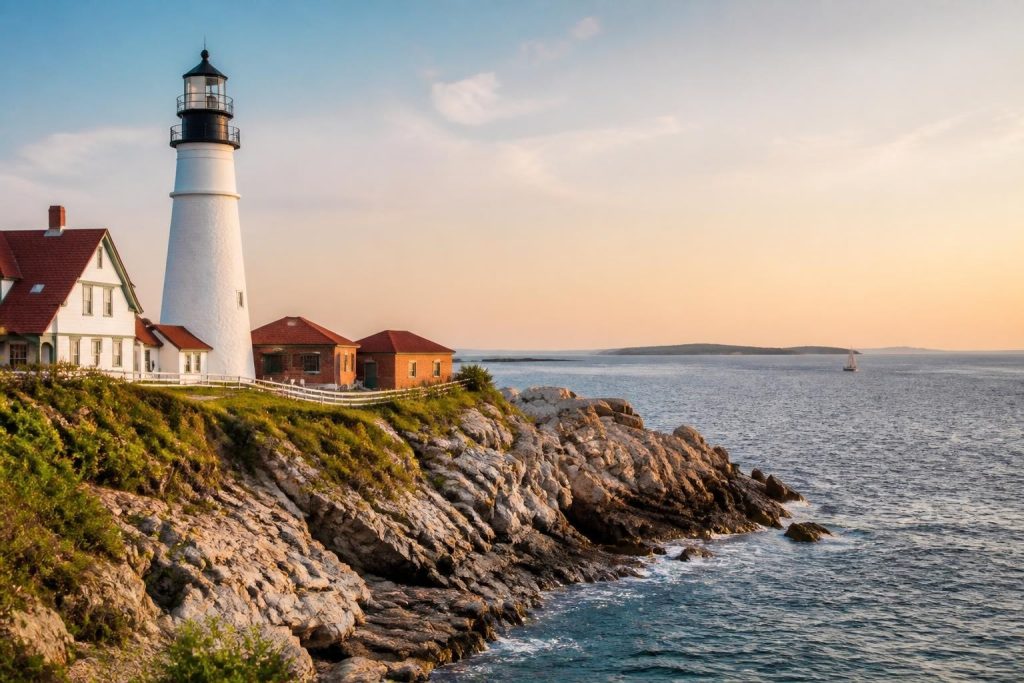
Maine's diverse landscape offers visitors an extraordinary collection of destinations that showcase the state's rich maritime heritage, natural beauty, and cultural significance. From rugged coastlines dotted with historic lighthouses to pristine wilderness areas and charming seaside villages, sites in Maine represent some of New England's most treasured locations. Whether you're drawn to architectural marvels, geological wonders, or artistic havens, this guide will help you navigate the Pine Tree State's most compelling attractions and plan an enriching journey through one of America's most scenic regions.
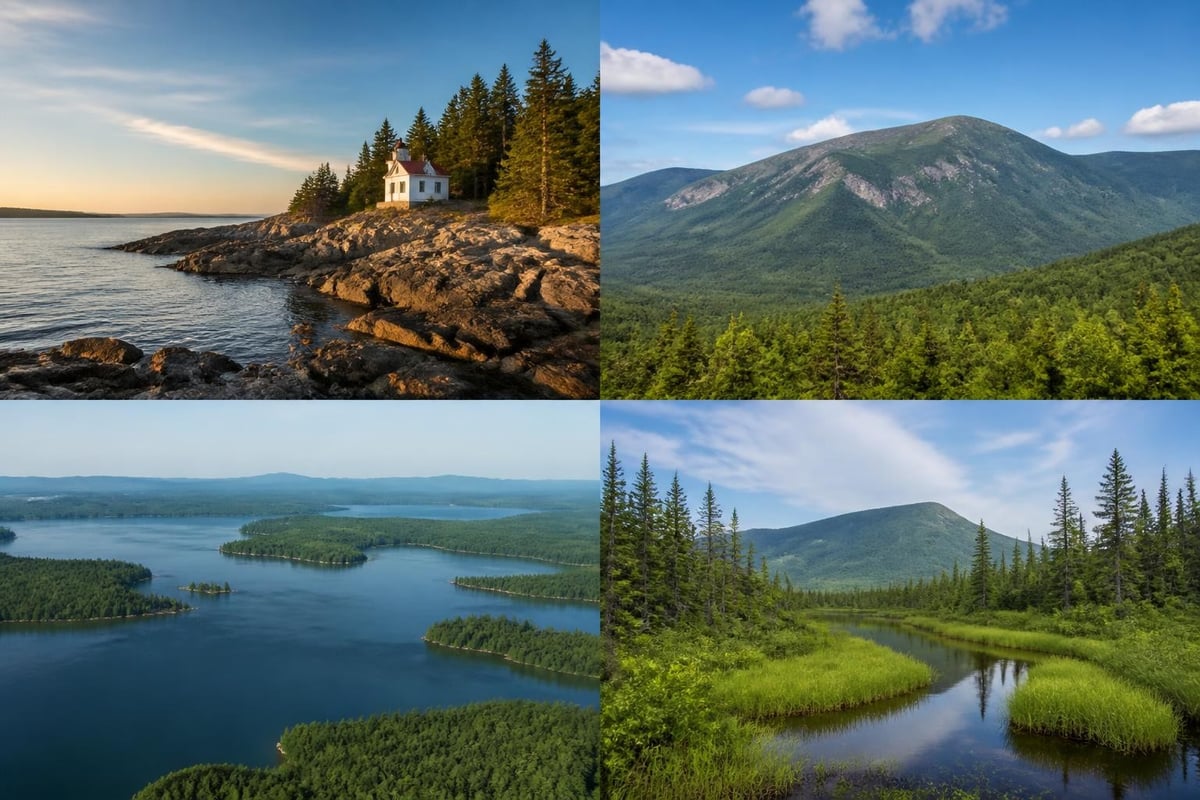
Understanding Maine's Geographic Diversity
Maine's vast territory spans over 35,000 square miles, creating distinct regions that each offer unique characteristics and attractions. The coastal zone stretches for more than 3,500 miles when including islands and inlets, providing countless opportunities for exploration.
The southern coastal region features sandy beaches and accessible tourist infrastructure, while the mid-coast area transitions to rockier shorelines with working harbors and artistic communities. Moving northward, Downeast Maine presents a more rugged, authentic maritime experience with fewer crowds and pristine natural environments.
Interior regions offer equally compelling destinations:
- Western mountains including the Mahoosuc Range
- Central lakes and forests perfect for recreation
- Northern wilderness areas with minimal development
- Agricultural valleys showcasing rural heritage
Seasonal Considerations for Visiting
Planning your visit to sites in Maine requires understanding how seasons dramatically transform the landscape and available activities. Summer months from June through August bring peak tourism, warm weather, and full accessibility to coastal destinations and mountain trails.
Fall foliage season, typically mid-September through October, transforms the state into a palette of brilliant colors. This period attracts leaf-peepers and photographers seeking the iconic New England autumn experience. Winter opens opportunities for skiing, snowshoeing, and experiencing Maine's rugged character in its most challenging form.
Spring, though brief and unpredictable, offers a quieter alternative with budding landscapes and the return of migratory birds. Many historic sites managed by the state adjust their hours seasonally, making advance planning essential.
Historic Landmarks and Cultural Sites
Maine's history stretches back millennia, from indigenous Wabanaki peoples through European settlement, maritime commerce, and industrial development. This layered past has left an impressive collection of preserved sites that educate and inspire modern visitors.
Coastal Fortifications and Military Heritage
The state's strategic coastal position led to the construction of numerous defensive structures that now serve as fascinating historical destinations. Fort Knox in Prospect stands as New England's largest historic fort, featuring granite architecture and commanding views of the Penobscot River. Its well-preserved condition allows visitors to explore barracks, ammunition storage, and defensive positions.
Fort William Henry in Pemaquid offers a different perspective, representing colonial-era conflicts between English, French, and indigenous forces. The reconstructed fort and adjacent museum complex provide context for understanding territorial struggles that shaped the region.
| Fort Name | Location | Era | Key Features |
|---|---|---|---|
| Fort Knox | Prospect | 1844-1869 | Granite construction, artillery displays |
| Fort William Henry | Pemaquid | 1692 (reconstructed) | Colonial history, archaeological museum |
| Fort McClary | Kittery Point | 1808-1918 | Hexagonal blockhouse, coastal views |
| Fort Popham | Phippsburg | 1861 | Civil War era, semi-circular design |
Architectural Treasures and Historic Homes
Beyond military installations, sites in Maine include exceptional examples of residential and civic architecture. The Victoria Mansion in Portland showcases Italian villa-style grandeur with original interiors that transport visitors to the 1860s. This National Historic Landmark features elaborate frescoes, ornate woodwork, and period furnishings.
The Farnsworth Art Museum’s historic properties include the Farnsworth Homestead and the Olson House, both offering insights into different eras of Maine life. The Olson House, immortalized in Andrew Wyeth's paintings, presents a remarkably preserved example of rural Maine existence.
Wedding Cake House in Kennebunk represents Gothic Revival architecture at its most whimsical, while the Norlands Living History Center in Livermore allows visitors to experience 19th-century farm life through immersive programming.
Natural Wonders and Outdoor Sites
Maine's geological history has created landscapes that rival any in the nation for dramatic beauty and recreational potential. These natural sites in Maine attract millions of visitors seeking connection with wilderness and coastal ecosystems.
Acadia National Park and Coastal Preserves
Acadia National Park on Mount Desert Island stands as Maine's crown jewel, combining mountain hiking, coastal exploration, and carriage roads into 49,000 acres of protected landscape. Cadillac Mountain's summit offers the first sunrise in the United States during certain times of year, while the park's 158 miles of trails accommodate all skill levels.
Beyond Acadia, coastal preserves provide quieter alternatives for nature enthusiasts. Reid State Park features rare sandy beaches along the mid-coast, while Quoddy Head State Park marks the easternmost point of the United States with its iconic candy-striped lighthouse.
Notable coastal natural areas include:
- Rachel Carson Salt Pond Preserve
- Scarborough Marsh Audubon Center
- Popham Beach State Park
- Wolfe's Neck Woods State Park
Mountains, Lakes, and Wilderness Areas
The Appalachian Trail's northern terminus sits atop Mount Katahdin in Baxter State Park, representing the ultimate destination for long-distance hikers. The park's 200,000 acres maintain a wilderness character with limited facilities, creating an authentic backcountry experience.
Western Maine's Rangeley Lakes region combines mountain scenery with pristine waters, offering year-round recreation. The Bigelow Range provides challenging hiking with alpine environments, while Grafton Notch State Park features waterfalls and geological formations accessible via shorter trails.
Maritime Heritage and Lighthouse Sites
No discussion of sites in Maine would be complete without addressing the state's iconic lighthouses. These working navigational aids have become symbols of Maine's maritime identity while serving practical purposes for mariners.
Iconic Lighthouse Destinations
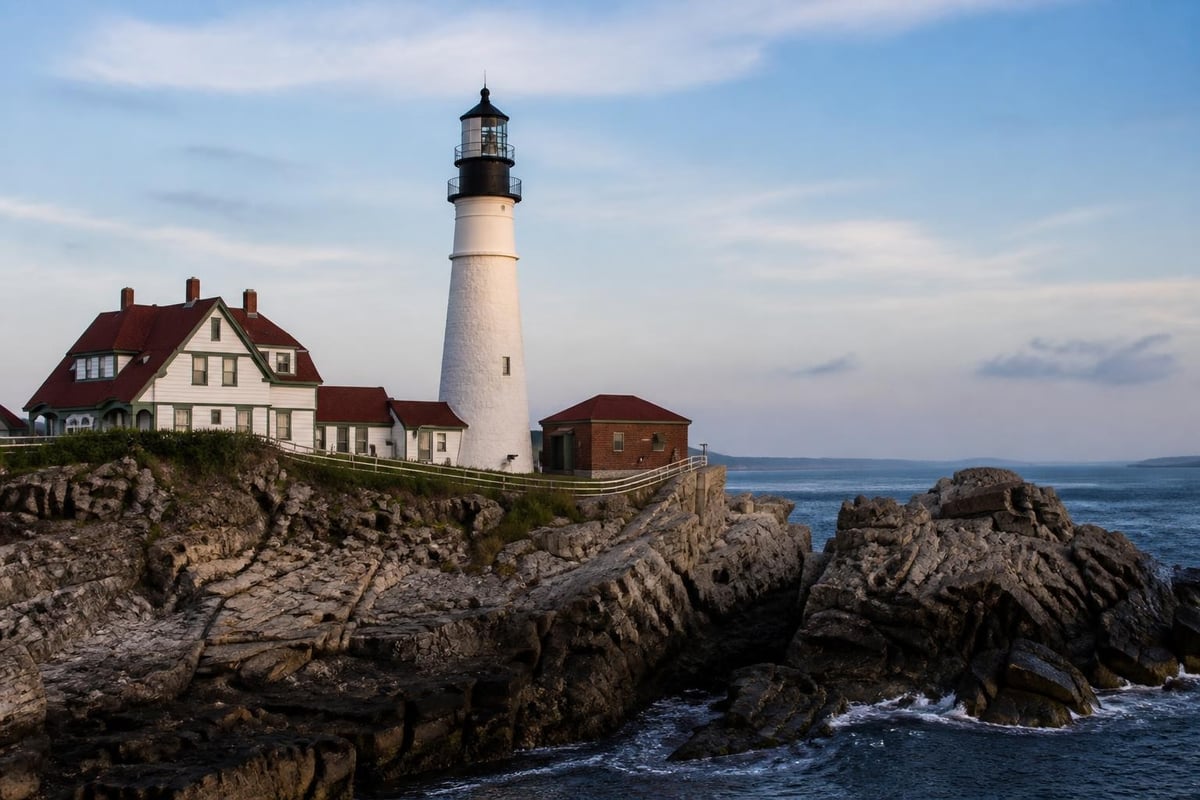
Maine maintains more than 60 lighthouses along its coastline, many accessible to visitors. Portland Head Light in Cape Elizabeth, commissioned by George Washington in 1791, ranks among America's most photographed lighthouses. Its museum occupies the former keeper's house, chronicling lighthouse history and maritime traditions.
Bass Harbor Head Light in Acadia National Park offers a classic Maine scene with its perch atop rocky cliffs. Pemaquid Point Light features distinctive striations in the surrounding rock formations, creating dramatic photographic compositions. For those planning a comprehensive lighthouse tour, exploring a locals guide to lighthouses provides insider knowledge about timing, access, and lesser-known locations.
West Quoddy Head Light marks the easternmost point of the continental United States with its distinctive red-and-white stripes. The surrounding park offers hiking trails and whale-watching opportunities during migration seasons.
Working Waterfront Heritage
Beyond lighthouses, Maine's maritime heritage lives on in active fishing villages and boat-building communities. Stonington and Corea maintain authentic working waterfronts where lobstering and fishing operations take precedence over tourism. These communities offer glimpses into the economic and cultural traditions that continue shaping coastal Maine.
The Maine Maritime Museum in Bath explores shipbuilding history through exhibits, demonstrations, and preserved vessels. Visitors can tour the state's only surviving wooden shipyard and learn about the craftsmanship that built clipper ships and modern vessels alike.
Cultural and Artistic Destinations
Maine's natural beauty has long attracted artists, writers, and creative communities, resulting in sites that celebrate cultural expression. These destinations reveal how landscape inspires artistic vision and cultural movements.
Museum Collections and Artistic Communities
The Farnsworth Art Museum in Rockland houses the nation's most significant collection of Maine-related art, including works by the Wyeth family, Winslow Homer, and contemporary artists. The museum's campus includes multiple buildings showcasing different aspects of Maine's artistic legacy.
Monhegan Island, accessible only by ferry, has served as an artists' colony for over a century. The island's dramatic cliffs, limited development, and unique light quality continue attracting painters and photographers. Day-trippers can visit working studios and galleries while exploring hiking trails.
Ogunquit's Marginal Way combines natural beauty with public art, offering a paved clifftop path lined with interpretive plaques and seasonal installations. The town's art museum overlooks the ocean, creating a dialogue between natural and created beauty.
Archaeological and Indigenous Sites
Understanding sites in Maine requires acknowledging the millennia of indigenous presence before European contact. While many archaeological locations remain protected from public access for preservation reasons, several sites offer educational opportunities.
Shell Middens and Ancient Settlements
Maine's coast contains thousands of shell middens, archaeological sites where indigenous peoples processed seafood over thousands of years. These deposits provide crucial information about prehistoric diet, settlement patterns, and climate changes. The Cultural & Architectural Resource Management Archive offers researchers access to documented archaeological resources.
The Abbe Museum in Bar Harbor focuses specifically on Wabanaki cultures, combining archaeological artifacts with contemporary indigenous art and perspectives. The museum's downtown and seasonal locations provide context for understanding Maine's first peoples and their continuing presence.
Petroglyphs and Rock Carvings
Machias Bay hosts petroglyphs created by indigenous artists centuries ago, though access remains restricted to protect these fragile cultural resources. Researchers continue studying these carvings to understand their ceremonial and communicative purposes.
Literary and Historical Villages
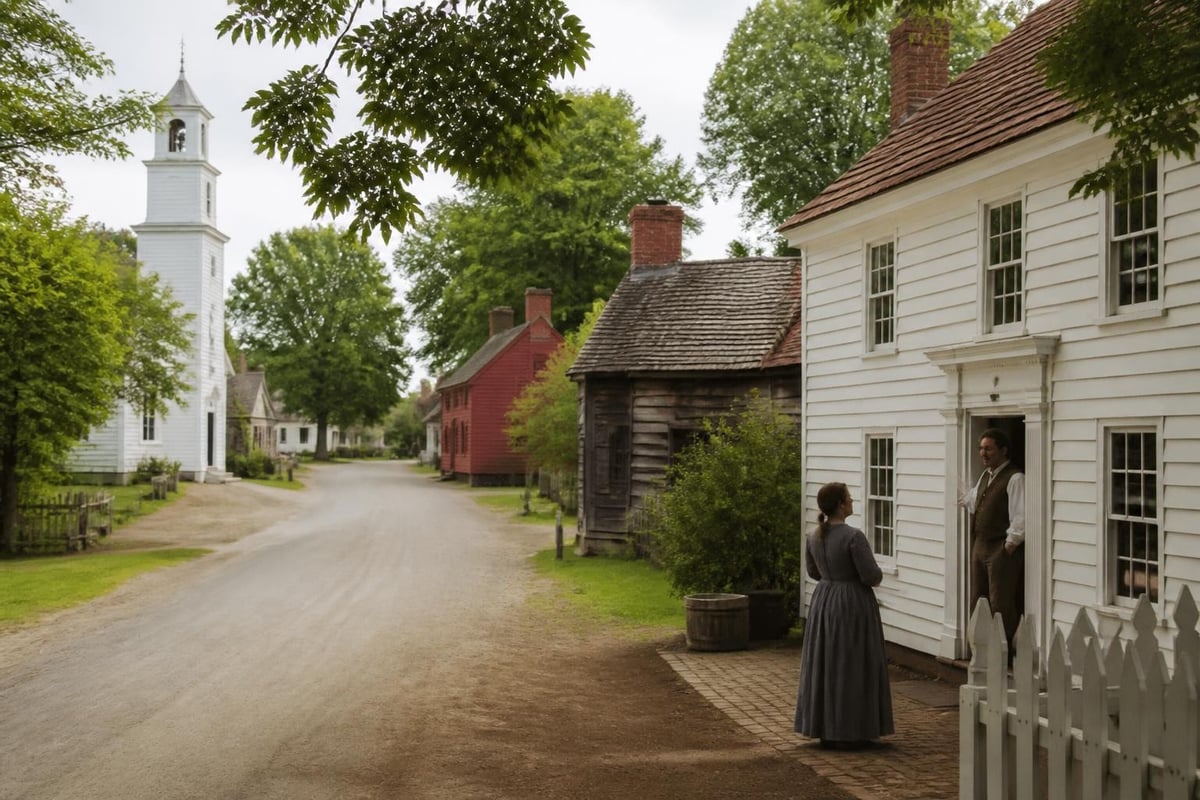
Several Maine communities have preserved their historic character so completely that entire villages function as living museums. These sites in Maine demonstrate how architecture, landscape, and community planning create coherent historical narratives.
Colonial Pemaquid and Fort William Henry
The Colonial Pemaquid State Historic Site combines archaeological remains with reconstructed fortifications and interpreted foundations. Excavations have revealed multiple European settlement attempts from the 1620s forward, creating a complex story of colonial ambition and failure.
Adjacent to the fort, an archaeological museum displays thousands of artifacts recovered from digs, including ceramics, tools, and personal items that illuminate daily life in early settlements.
Norlands Living History Center
Located in Livermore, Norlands offers immersive experiences where participants can engage with 1870s farm and community life. Programs range from day visits to overnight stays where participants assume historical roles, wearing period clothing and completing era-appropriate tasks.
The property includes the Washburn family mansion, one-room schoolhouse, church, and working farm buildings. The Washburn family produced seven sons who achieved national prominence in politics and business, making the site significant for both local and national history.
Hidden Gems and Unusual Attractions
Beyond well-known destinations, Maine harbors unique and offbeat locations that reward curious travelers. These lesser-known sites in Maine often provide more intimate experiences and surprising discoveries.
Desert of Maine
Located in Freeport, this 40-acre expanse of glacial silt demonstrates how poor farming practices in the 1800s created a desert-like environment in New England's forested landscape. The phenomenon offers lessons in land stewardship while providing an unusual natural attraction.
Visitors can tour the property, learn about its formation, and explore a small museum documenting the site's transformation from productive farmland to tourist destination.
Wilhelm Reich Museum
Organon in Rangeley preserves the home, laboratory, and tomb of controversial psychoanalyst Wilhelm Reich. The property offers stunning views while presenting Reich's life and work through guided tours. The museum maintains scientific instruments and personal effects in their original settings.
Maine's "Sistine Chapel"
The South Solon Meeting House features remarkable frescoes painted by local artist Frank Mura in the 1950s. This unassuming church contains vivid biblical scenes covering walls and ceiling, creating an unexpected artistic treasure in rural Maine.
Planning Your Visit to Multiple Sites
Successfully experiencing diverse sites in Maine requires strategic planning that accounts for geographic distances, seasonal accessibility, and time management. The state's size means that rushing between destinations sacrifices depth of experience.
Regional Clustering Strategies
Organize your itinerary around geographic regions rather than attempting comprehensive coverage. The southern coastal area from Kittery to Portland can occupy several days while remaining within a compact area. Mid-coast destinations from Brunswick to Camden form another logical grouping.
Sample regional groupings:
- Southern Coast: Beaches, outlets, historic homes
- Greater Portland: Museums, lighthouses, dining
- Mid-Coast: Maritime villages, art museums, islands
- Downeast: Wilderness, Acadia, authentic fishing communities
- Interior: Mountains, lakes, rural heritage
Combining Coastal and Inland Destinations
Many visitors focus exclusively on coastal sites in Maine, missing the state's mountain and lake regions. Consider balancing oceanfront time with inland excursions to appreciate the full range of Maine's geography. A week-long visit might include three days on the coast followed by four days exploring western mountains and lakes.
This approach provides variety in landscapes, activities, and crowds while showcasing different aspects of Maine culture. Coastal communities tend toward tourism-focused amenities, while inland areas often maintain more traditional rural character.
Preservation Efforts and Responsible Tourism
Maine's most treasured sites face ongoing challenges from climate change, development pressure, and visitor impact. Understanding preservation efforts enhances appreciation while encouraging responsible behavior that protects these resources for future generations.
State and Private Conservation Initiatives
Maine maintains an extensive network of historic sites and preservation programs managed through state agencies and nonprofit partnerships. These efforts include structural stabilization, interpretive program development, and archaeological protection.
Organizations like Maine Preservation and local historical societies work to identify threatened properties and mobilize resources for their protection. Visitors can support these efforts through admission fees, memberships, and respectful site use.
Leave No Trace Principles
Natural sites require particular attention to minimize environmental impact. Staying on designated trails prevents erosion and protects fragile vegetation. Properly disposing of waste, respecting wildlife, and avoiding sensitive areas during nesting seasons all contribute to site preservation.
Many popular locations now implement reservation systems or capacity limits to manage visitor numbers. While potentially inconvenient, these measures protect both visitor experience quality and environmental integrity.
Educational Resources and Further Exploration
Deepening your understanding of sites in Maine enhances appreciation and helps identify destinations matching your specific interests. Numerous resources provide specialized information for different aspects of Maine exploration.
Historical Societies and Archives
Maine supports an extensive network of local historical societies that maintain collections, operate historic properties, and offer educational programs. These organizations often provide the most detailed information about specific communities and lesser-known sites.
County and municipal archives preserve documents, photographs, and artifacts that illuminate local history. Researchers and enthusiasts can access these materials to understand specific properties or historical events in greater depth.
Contemporary Travel Resources
Modern travel guides and online resources complement historical materials with practical visitor information. Comprehensive destination guides aggregate current details about hours, admission costs, and accessibility while highlighting noteworthy sites.
Combining historical context with contemporary logistics creates well-rounded trip planning that maximizes both educational value and practical efficiency. Some sites offer specialized tours, workshops, or seasonal programming that requires advance registration.
Connecting Sites Through Themed Itineraries
Organizing visits around thematic interests rather than pure geography creates coherent narratives and deeper engagement with specific aspects of Maine heritage. This approach works particularly well for repeat visitors or those with specialized interests.
Maritime Heritage Trail
Following Maine's maritime legacy connects lighthouses, shipbuilding museums, fishing villages, and naval installations. Start at Kittery's Portsmouth Naval Shipyard and Fort McClary, progress through Portland's maritime museums and working waterfront, then continue Downeast to traditional boat-building communities like Brooklin.
This journey reveals how ocean industries shaped settlement patterns, economic development, and cultural identity throughout Maine history. Each stop builds understanding of how geography, technology, and human ambition interacted along the coast.
Literary and Artistic Pilgrimage
Maine has inspired countless writers and artists whose work reflects and shapes perceptions of the state. A literary journey might include Harriet Beecher Stowe's house in Brunswick, Stephen King sites in Bangor, and the coastal landscapes that influenced Sarah Orne Jewett, Edna St. Vincent Millay, and contemporary authors.
Combining literary sites with art museums and artists' colonies creates a cultural exploration that reveals how Maine's character influences creative expression across generations and media.
Geological and Natural History Focus
For those fascinated by earth sciences, Maine offers exceptional geological diversity. The state sits at the convergence of multiple geological provinces, creating varied rock types, fossil locations, and landform examples.
Sites showcasing geological significance include Pemaquid Point's metamorphic striations, the Desert of Maine's glacial deposits, Mount Katahdin's granite formations, and coastal features demonstrating ongoing erosion and deposition. Pairing these natural sites with university collections and interpretive centers provides scientific context for landscape appreciation.
Year-Round Opportunities
While summer dominates Maine tourism, sites in Maine offer compelling experiences across all seasons. Each period presents distinct advantages and challenges that appeal to different visitor preferences.
Winter Heritage and Indoor Sites
Cold months shift focus toward indoor attractions including museums, historic houses, and cultural centers. Portland's museum district, Bath's maritime collections, and Bangor's historical society maintain regular winter hours. Some sites offer special programming around holidays or winter themes.
Winter also provides access to snow-based recreation at mountain sites, creating opportunities for Nordic skiing, snowshoeing, and winter camping in wilderness areas normally crowded during summer.
Spring and Fall Shoulder Seasons
Transitional seasons offer moderate crowds, lower prices, and distinct natural phenomena. Spring migration brings birders to coastal wetlands and offshore islands. Fall foliage transforms inland sites into colorful spectacles while coastal areas experience pleasant weather without peak-season congestion.
Many historic sites and natural areas maintain full access during shoulder seasons while providing more intimate experiences. Staff often have more time for detailed conversations and informal tours when visitor numbers decrease.
From coastal fortifications to mountain wilderness, sites in Maine showcase extraordinary diversity of natural beauty, historical significance, and cultural richness across every region of the state. Whether your interests lean toward maritime heritage, artistic inspiration, geological wonders, or simply experiencing authentic New England character, Maine's attractions provide endless opportunities for discovery and education. The Maine Beaches helps you navigate this incredible variety with detailed guides, insider tips, and comprehensive resources that ensure your Maine journey becomes truly unforgettable. Start planning your exploration today and discover why these remarkable destinations continue captivating visitors generation after generation.