

Finding the perfect day trip beaches can transform an ordinary weekend into a memorable coastal adventure. Whether you're seeking peaceful morning walks along the shoreline, family-friendly swimming spots, or dramatic sunset views, planning ahead ensures you make the most of every moment. Understanding what makes a beach ideal for day visits, knowing the best times to arrive, and preparing properly can mean the difference between a stressful outing and a rejuvenating escape to the coast.
Choosing the Right Beach for Your Day Trip
Not all beaches suit every type of day trip. The ideal destination depends on your group composition, desired activities, and how far you're willing to travel.
Distance and Accessibility Factors
The best day trip beaches sit within a two-hour drive from your starting point. This distance allows you to arrive mid-morning and still enjoy a full day of coastal activities without spending excessive time in the car. Consider beaches with ample parking facilities, clear signage, and easy access points from the main road.
Key accessibility features to look for:
- Designated parking areas within walking distance
- Wheelchair-accessible pathways and facilities
- Public restroom availability
- Nearby food and beverage options
- Lifeguard presence during peak season
Some coastal areas require advance parking reservations during summer months. Research your destination's policies before departure to avoid disappointment upon arrival.
Matching Beach Type to Your Activities
Different beaches cater to different experiences. Sandy stretches with gentle waves work perfectly for families with young children, while rockier shores attract beachcombers searching for tidal pool treasures. If you're exploring best beaches in Maine for families, you'll find options ranging from protected coves to expansive sandy shores.
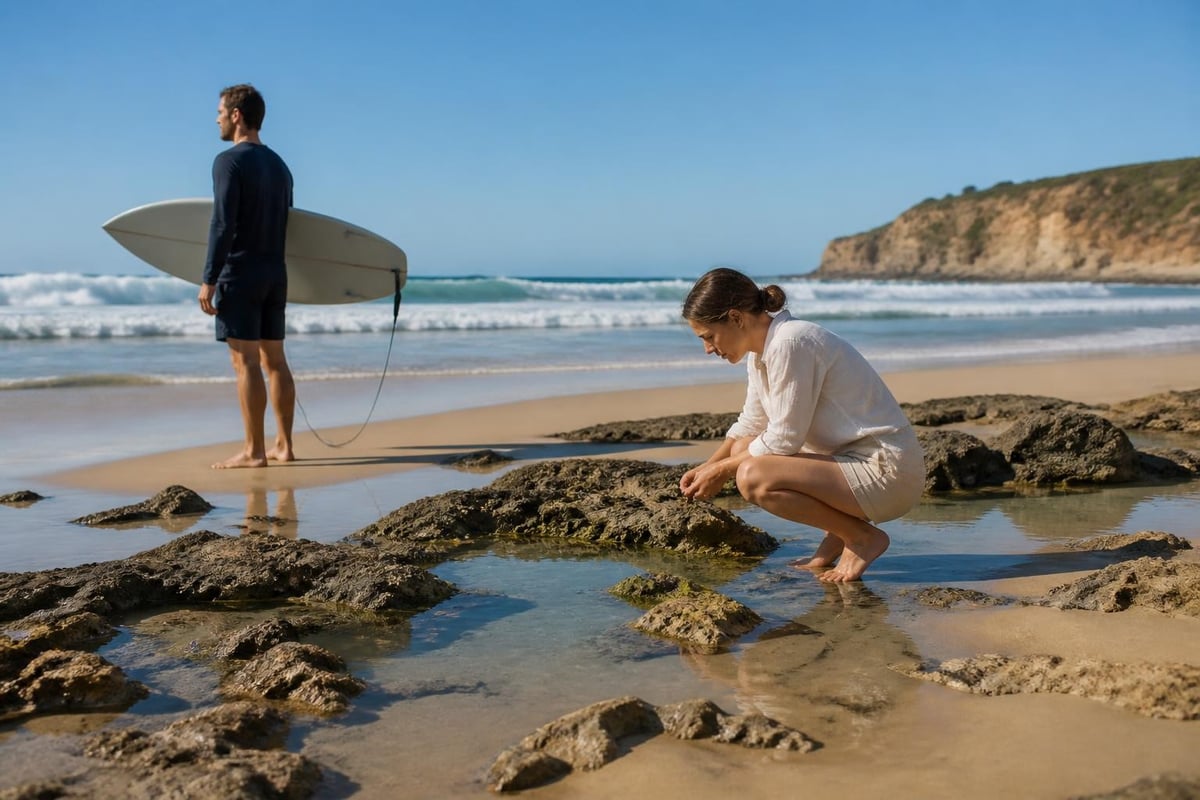
| Beach Type | Best Activities | Ideal For | Typical Amenities |
|---|---|---|---|
| Sandy with calm waters | Swimming, sandcastle building, sunbathing | Families with children | Lifeguards, restrooms, food vendors |
| Rocky coastline | Tide pooling, photography, hiking | Nature enthusiasts | Limited facilities, scenic overlooks |
| Surf beaches | Bodyboarding, surfing, wave watching | Active adults, teens | Surf shops, outdoor showers |
| Harbor beaches | Kayaking, paddleboarding, pier walking | All ages | Boat rentals, seafood restaurants |
Timing Your Beach Day Trip
Arriving at the right time maximizes your experience while minimizing crowds and parking challenges.
Seasonal Considerations
Summer weekends bring peak crowds to popular day trip beaches, with parking lots filling by 10 AM. Weekdays offer more space and tranquility, even during July and August. Early fall provides ideal conditions-warm water temperatures, fewer visitors, and pleasant air temperatures perfect for extended beach stays.
Spring beach visits require flexibility. Water remains cold through May in northern coastal regions, but the beaches themselves offer peaceful walking conditions and dramatic wave activity. Late September through October delivers spectacular scenery as coastal foliage changes color, creating unique photo opportunities.
Winter beach days attract hardy adventurers seeking solitude and storm watching. Pack layers, bring thermoses of hot beverages, and focus on brisk walks rather than water activities.
Daily Timing Strategies
The golden hours for day trip beaches run from 8-10 AM for arrival. You'll secure prime parking spots, claim ideal beach locations, and enjoy cooler temperatures for setting up your base camp. Midday sun (11 AM-3 PM) delivers the strongest UV rays, requiring proper sun protection measures and shade breaks.
Optimal daily schedule:
- Arrive 8-9 AM, secure parking and set up
- Enjoy morning swimming when water feels warmest (9-11 AM)
- Lunch and shade break (11:30 AM-1 PM)
- Afternoon activities: walks, tide pooling, reading (1-4 PM)
- Final swim or beach games (4-5:30 PM)
- Sunset viewing and departure preparation (5:30-7 PM)
Late afternoon brings lower temperatures and softer light, creating comfortable conditions for final beach activities. Many visitors depart between 4-5 PM, opening parking and beach space for those extending their stay through sunset.
Essential Packing for Beach Day Trips
Successful day trip beaches require thoughtful preparation. Unlike overnight stays, you must carry everything needed for 6-10 hours in a single vehicle load.
Safety and Comfort Priorities
Sun protection tops every beach packing list. Bring reef-safe sunscreen with SPF 30 or higher, reapplying every two hours and after swimming. Wide-brimmed hats protect faces and necks, while UV-blocking sunglasses reduce eye strain and long-term damage.
A well-stocked first aid kit addresses common beach injuries-cuts from shells, jellyfish stings, minor burns, and headaches. Include adhesive bandages, antibiotic ointment, pain relievers, antihistamines, and tweezers for splinter removal. Understanding common beach hazards helps you prevent injuries before they occur.

Water bottles deserve special attention. Each person needs at least 64 ounces of water throughout a beach day, more in hot weather or during active play. Frozen water bottles serve double duty-they keep coolers cold during morning hours and provide refreshing cold drinks as they thaw.
Activity-Specific Gear
Tailor your packing list to planned activities. Swimmers need multiple towels (one for drying, one for sitting), waterproof bags for electronics, and swim goggles. Beachcombers pack collection bags, field guides for shell identification, and cameras for documentation.
- Beach umbrella or pop-up tent for shade
- Blankets or beach mat for sitting areas
- Cooler with ice packs
- Waterproof phone case
- Portable speaker (if permitted)
- Beach toys, books, or games
- Change of clothes in waterproof bag
- Trash bags for cleanup
Lightweight, collapsible wagons transform beach access for families. Load all gear into the wagon for a single trip from car to sand, rather than making multiple journeys carrying armloads of equipment.
Safety Considerations for Day Beach Visits
Even experienced beachgoers face potential dangers at unfamiliar day trip beaches. Preparation and awareness prevent most accidents.
Water Safety Fundamentals
Never swim alone, regardless of your skill level. The buddy system provides immediate help if someone struggles in the water. Swimming near lifeguard stations dramatically improves safety outcomes-National Park Service research shows lifeguarded beaches experience significantly fewer drowning incidents.
Rip currents cause approximately 100 deaths annually in the United States. These powerful channels of water flowing away from shore can pull even strong swimmers out to sea. Recognizing rip currents requires watching for:
- Gaps in breaking waves
- Foam, seaweed, or debris moving seaward
- Water color differences (often darker or churned-looking)
- Choppy water while surrounding areas remain calm
If caught in a rip current, swim parallel to shore until free from the pull, then angle back to land. Fighting directly against the current exhausts swimmers quickly, leading to dangerous situations.
Environmental Awareness
Weather changes rapidly along coastlines. Morning sunshine can give way to afternoon thunderstorms with little warning. The National Weather Service provides real-time beach conditions and forecasts specific to coastal zones. Check conditions before departure and monitor throughout your visit.
| Weather Condition | Action Required | Warning Signs |
|---|---|---|
| Lightning within 10 miles | Exit water immediately, seek shelter | Thunder audible, darkening skies |
| High surf advisory | Avoid swimming, stay back from water's edge | Large waves, strong undertow |
| High UV index (8+) | Increase sun protection, limit midday exposure | Clear skies, minimal cloud cover |
| Fog or reduced visibility | Stay on marked paths, avoid water entry | Poor visibility beyond 100 yards |
Tidal changes affect beach accessibility and safety. Some beaches nearly disappear during high tide, while low tide reveals extensive flats and tide pools. Research tide schedules for your destination and plan activities accordingly. The areas you explore during low tide may become underwater within hours.
Maximizing Your Beach Day Experience
Beyond safety and logistics, day trip beaches offer opportunities for relaxation, exploration, and connection with nature.
Creating a Balanced Itinerary
The best beach days balance activity with rest. Alternate high-energy pursuits like swimming, beach volleyball, or long walks with quieter moments for reading, napping, or simply listening to waves. This rhythm prevents fatigue and keeps everyone engaged throughout the day.
Photography enthusiasts find endless subjects at coastal locations. Morning light illuminates tide pools with crystal clarity, while afternoon side-lighting creates dramatic shadows on dunes and cliffs. Golden hour before sunset bathes everything in warm tones perfect for portraits and landscape shots. When visiting Maine's coastal region, landmarks like the Nubble Lighthouse provide iconic photo opportunities.
Local Discovery Opportunities
Day trip beaches serve as gateways to broader coastal exploration. Many beach communities feature charming downtown areas, fresh seafood restaurants, and local shops within minutes of the shore. Extending your visit to include lunch at a waterfront restaurant or browsing local art galleries enriches the entire experience.
The southern Maine coast offers particularly diverse options for day visitors. You'll find everything from family-friendly amusement areas to quiet nature preserves. For comprehensive planning resources, the Official Visitors Guide provides detailed information about attractions, dining, and activities throughout the region.
Beach day enhancement ideas:
- Start with sunrise watching for early risers
- Pack a picnic featuring local specialties
- Explore nearby hiking trails before or after beach time
- Visit coastal museums or historical sites
- Book a sunset kayak tour
- Attend evening concerts or events in beach towns
Respecting Coastal Environments
Leave-no-trace principles apply equally to day trip beaches. Pack out everything you bring in, including food waste that attracts seagulls and other wildlife. Avoid disturbing nesting birds, sea turtle nests (marked with signs), or seal pups resting on beaches.
Many beaches prohibit glass containers, open fires, and loud music. Research local regulations before your visit to ensure compliance and respect for other beachgoers seeking peaceful experiences.
Planning for Different Group Types
Day trip beaches accommodate various group compositions, each requiring specific considerations.
Family Beach Days
Families with young children need beaches offering calm water conditions, nearby facilities, and engaging activities beyond swimming. Shallow entry points allow toddlers to play safely at water's edge while parents remain close. Built-in breaks for snacks, bathroom trips, and shade time prevent meltdowns and keep energy levels stable.
Pack entertainment for beach blanket time-bubbles, sand toys, waterproof books, and simple craft supplies. Create a home base clearly marked with a colorful umbrella or tent so children can easily locate your spot after exploring.
Group Outings with Friends
Adult groups enjoy beaches offering activity options-volleyball courts, kayak rentals, nearby restaurants and bars. Coordinate food contributions potluck-style to reduce individual packing burdens and create variety. Someone brings sandwiches, another handles fruit and snacks, a third manages beverages.
Plan one or two group activities (beach games, group photo sessions, sunset gathering) while leaving flexibility for individuals to pursue personal interests like reading, swimming, or exploring.
Solo Beach Adventures
Solo visitors to day trip beaches prioritize safety differently. Inform someone of your destination and expected return time. Keep valuable items secured and minimal-bring only essentials. Swimming alone carries additional risks, so consider staying in shallow water or focusing on shore-based activities like walking, photography, or meditation.

Solo beach time offers unparalleled opportunities for reflection and restoration. Bring a journal, sketch pad, or simply enjoy uninterrupted time with your thoughts while waves provide a natural soundtrack.
Regional Beach Day Trip Opportunities
Different coastal regions offer distinct beach day trip experiences, each with unique characteristics and attractions.
Northeast Coastal Beaches
The rocky Maine coastline provides dramatic scenery and cooler water temperatures even during summer. Day trip beaches in this region combine sandy stretches with granite outcroppings, creating diverse exploration opportunities. Water temperatures range from 50-65°F during peak season, making wetsuits popular for extended swimming.
Many best towns to visit in Maine feature multiple beach options within short drives, allowing visitors to experience different coastal environments in a single day. Morning at a sandy swimming beach can transition to afternoon tide pool exploration at a rocky shore.
Northern beaches typically offer:
- Cooler temperatures (ideal for active beach days)
- Abundant marine life in tide pools
- Historic lighthouses and coastal landmarks
- Fresh lobster and seafood dining options
- Less crowded conditions outside July-August
Southeast and Gulf Coast Destinations
Warm water temperatures and extensive sandy beaches characterize southern coastal regions. These day trip beaches support swimming from April through October, with water temperatures reaching 75-85°F during summer months. Gentle slopes into the water create ideal conditions for families and less confident swimmers.
However, southern beaches require additional sun protection due to stronger UV exposure and less frequent cloud cover. Afternoon thunderstorms develop regularly during summer, typically between 2-5 PM, requiring weather monitoring and flexible timing.
West Coast Beach Days
Pacific coastline beaches feature dramatic cliffs, powerful surf, and cooler water temperatures year-round. Day trip beaches along the West Coast excel for tide pooling, whale watching, and sunset viewing rather than traditional swimming activities.
Strong currents and cold water make ocean swimming challenging at many Pacific beaches. Visitors focus instead on beach walking, surfing (with proper equipment and experience), and exploring coastal trails offering spectacular ocean views.
Making Day Trip Beaches a Regular Practice
Regular beach visits provide documented physical and mental health benefits. Salt air contains negative ions that may improve mood and energy levels. Walking on sand engages stabilizing muscles rarely activated on paved surfaces. The rhythmic sound of waves reduces stress hormones and promotes relaxation.
Building a Beach Routine
Establishing a regular beach day practice transforms occasional outings into a sustainable wellness habit. Monthly beach visits throughout the year create anticipation and provide consistent connection to coastal environments. Seasonal changes reveal different aspects of the same beaches-summer crowds give way to fall tranquility, winter storm watching, and spring renewal.
Create a permanent beach kit stored in your vehicle or garage, ready for spontaneous trips when weather and schedules align. Include non-perishable items like:
- Beach umbrella and tent
- Folding chairs
- Reusable water bottles
- Beach blanket or mat
- Basic first aid supplies
- Sunscreen (check expiration dates seasonally)
- Waterproof bags
Documenting Beach Adventures
Maintaining a beach journal or photo collection builds memories and helps identify favorite locations for return visits. Note water conditions, wildlife sightings, weather patterns, and crowd levels to inform future planning. Over time, you'll develop expertise about your preferred day trip beaches, knowing the best parking times, ideal tide conditions, and hidden gems other visitors overlook.
Share beach discoveries with friends and family, building a community of coastal enthusiasts. Group beach days become easier to organize when everyone understands the planning process and packing requirements.
Weather-Adaptive Beach Planning
Flexibility separates successful beach day trips from disappointing outings. Weather drives coastal conditions more dramatically than inland environments.
Working with Forecast Uncertainty
Coastal weather forecasts become increasingly accurate within 48 hours of your planned visit. Monitor conditions starting three days out, but recognize that predictions beyond this window carry significant uncertainty. Have backup indoor activities identified for the same region-museums, shopping districts, indoor entertainment-allowing you to salvage the day if beach conditions prove unsuitable.
Some weather conditions enhance rather than diminish beach experiences. Overcast days provide natural sun protection, reducing UV exposure while maintaining comfortable temperatures for long beach stays. Light fog creates atmospheric conditions perfect for photography and peaceful walks, though it requires staying visible to lifeguards if swimming.
Wind speed and direction significantly impact beach comfort. Onshore winds (blowing from water to land) create choppy water conditions and blow sand constantly. Offshore winds (blowing from land to sea) produce calmer water and more pleasant beach conditions but can quickly push inflatable toys and rafts out to sea.
Seasonal Adaptation Strategies
Each season offers distinct advantages for day trip beaches. Summer provides warm water and long daylight hours but brings crowds and high prices. Spring and fall deliver moderate temperatures, uncrowded beaches, and lower accommodation costs for those combining day trips with overnight stays.
Winter beach visits require mindset shifts. Focus on brisk walks, storm watching, beachcombing for shells and sea glass, and hot beverage enjoyment rather than water activities. Dress in layers, including windproof outer shells, and time visits during midday hours when temperatures peak.
Planning successful day trip beaches involves balancing safety, timing, preparation, and flexibility to create memorable coastal experiences. By selecting appropriate destinations, packing thoughtfully, respecting ocean conditions, and adapting to weather patterns, you transform simple beach visits into rejuvenating escapes that nourish body and mind. The coastal region of Maine offers exceptional opportunities for beach day trips throughout the year, from family-friendly sandy shores to dramatic rocky coastlines. Whether you're seeking peaceful solitude or active family adventures, The Maine Beaches provides comprehensive resources to help you discover and explore the perfect coastal destinations for your next beach day trip.