
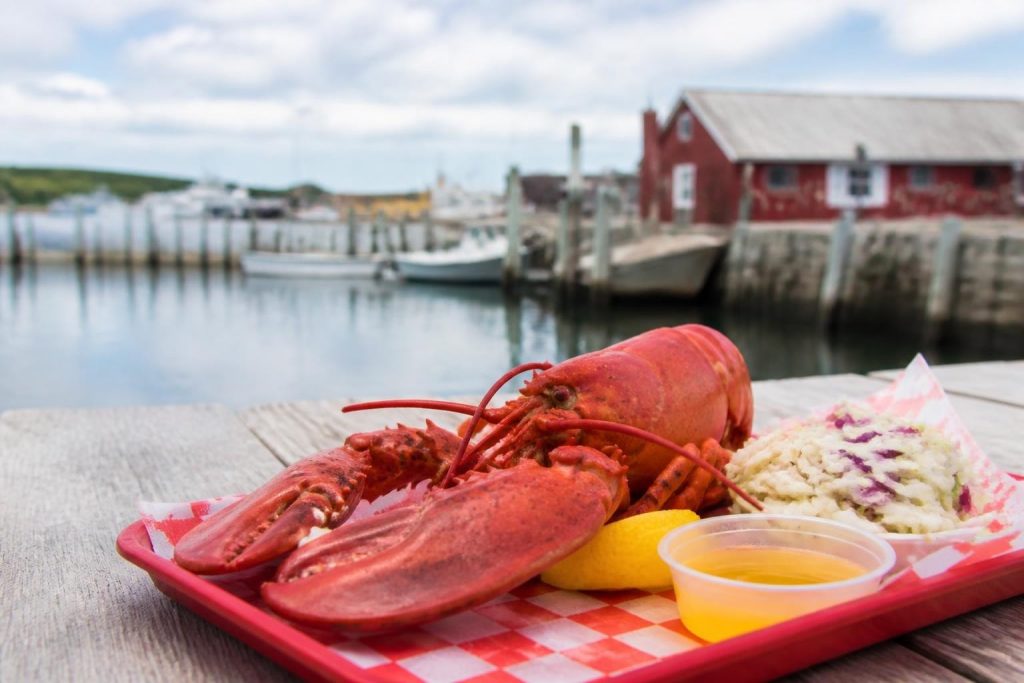
Maine's coastal landscape wouldn't be complete without the weathered wooden structures dotting the shoreline, where steam rises from boiling pots and the sweet smell of fresh seafood fills the salty air. Lobster shacks represent more than just places to eat; they embody a centuries-old tradition of simple, honest cooking that lets the ocean's bounty speak for itself. These casual dining establishments have become cultural landmarks, attracting locals and visitors alike who seek authentic Maine experiences away from white tablecloths and fancy presentations.
The History and Heritage of Coastal Seafood Stands
The evolution of lobster shacks mirrors Maine's fishing industry development throughout the 20th century. Originally, these were working fishermen's co-ops where locals could buy fresh catch directly off the boats. As Maine's tourism industry grew in the 1950s and 1960s, enterprising fishermen and their families began adding picnic tables and simple cooking facilities.
The business model proved remarkably sustainable. Fishermen could sell their catch at better margins while building customer loyalty. Tourists discovered they could enjoy restaurant-quality seafood at fraction of the price.
From Working Wharves to Tourist Destinations
Many of today's most beloved lobster shacks started as humble operations run from someone's backyard or a small shed near the docks. The transition from purely utilitarian spaces to dining destinations happened organically. Families began adding amenities like covered seating areas, expanded menus, and eventually became multi-generational businesses passed down through decades.
Key characteristics that define authentic lobster shacks:
- Located near working waterfronts or harbors
- Minimal indoor seating, emphasis on outdoor dining
- Simple menu focused on lobster and local seafood
- Paper plates, plastic utensils, BYOB policies
- Direct relationships with local fishermen
- Cash-only or limited payment options
- Seasonal operations (typically May through October)
The aesthetic remains deliberately rustic. Freshly painted buildings would somehow seem wrong. Weathered shingles, hand-painted signs, and mismatched furniture create the authentic atmosphere diners expect.
What Makes the Menu Special
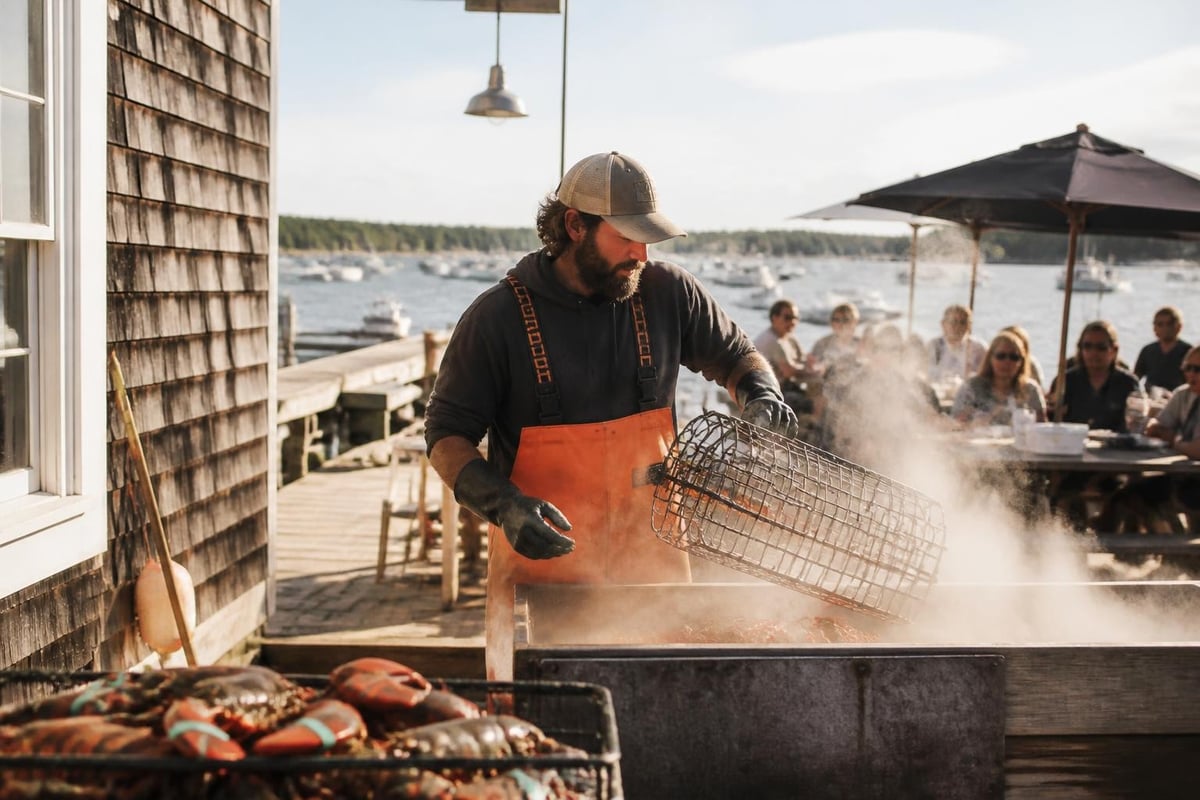
While lobster naturally takes center stage, the typical menu extends beyond the namesake crustacean. Most establishments offer a carefully curated selection emphasizing freshness and simplicity. The cooking methods haven't changed much in decades because they don't need to.
Classic Offerings and Preparations
The lobster roll stands as the signature item at virtually every shack along the coast. Two distinct styles dominate: the cold roll features lobster meat tossed with mayonnaise, sometimes with celery or other light additions, while the hot roll presents warm lobster meat drizzled with melted butter. Both arrive on a New England-style split-top bun, toasted to golden perfection.
Standard menu items you'll encounter:
- Whole steamed lobsters (priced by market weight)
- Lobster rolls (cold with mayo or hot with butter)
- Steamers (soft-shell clams)
- Mussels steamed in white wine and garlic
- Clam chowder (New England style, always cream-based)
- Fried seafood baskets (clams, scallops, shrimp)
- Corn on the cob and coleslaw as sides
| Menu Item | Typical Price Range | Preparation Time |
|---|---|---|
| Lobster Roll | $18-$28 | 5-10 minutes |
| Whole Lobster (1.5 lb) | $20-$35 | 12-15 minutes |
| Steamers (1 lb) | $12-$18 | 15-20 minutes |
| Clam Chowder | $8-$14 | Immediate |
| Fried Clam Basket | $16-$24 | 8-12 minutes |
The pricing reflects market conditions, particularly lobster availability and seasonal demand. Summer peak season typically sees higher prices, while early spring and fall might offer better values.
Regional Variations Along the Coast
Maine's coastline stretches roughly 3,500 miles when accounting for all the inlets, peninsulas, and islands. This geographic diversity creates distinct regional characteristics among lobster shacks. Southern coastal establishments near popular beach destinations tend toward higher volume operations, while mid-coast and Downeast locations maintain quieter, more local-focused atmospheres.
Southern Maine's Beach Community Shacks
The stretch from Kittery to Cape Elizabeth features numerous lobster shacks serving beach-going crowds. These establishments often extend their hours and seasons to accommodate tourist traffic. Many have adapted by adding more extensive menus, indoor seating options, and modern payment systems.
The atmosphere remains casual, but the infrastructure tends toward more developed facilities. Parking lots replace gravel patches, and permanent structures stand where temporary setups once sufficed. Despite modernization, the food quality and preparation methods stay true to tradition.
Mid-Coast Hidden Gems
Between Portland and Rockland, lobster shacks become more scattered and individualized. These operations frequently maintain stronger connections to working harbors, where fishing boats still outnumber pleasure crafts. The dining experience feels more intimate, with smaller crowds and longer conversations with owners who often know regular customers by name.
Access sometimes requires navigating winding coastal roads and following hand-painted signs. The extra effort rewards visitors with lower prices, larger portions, and authentic local culture.
The Dining Experience and What to Expect
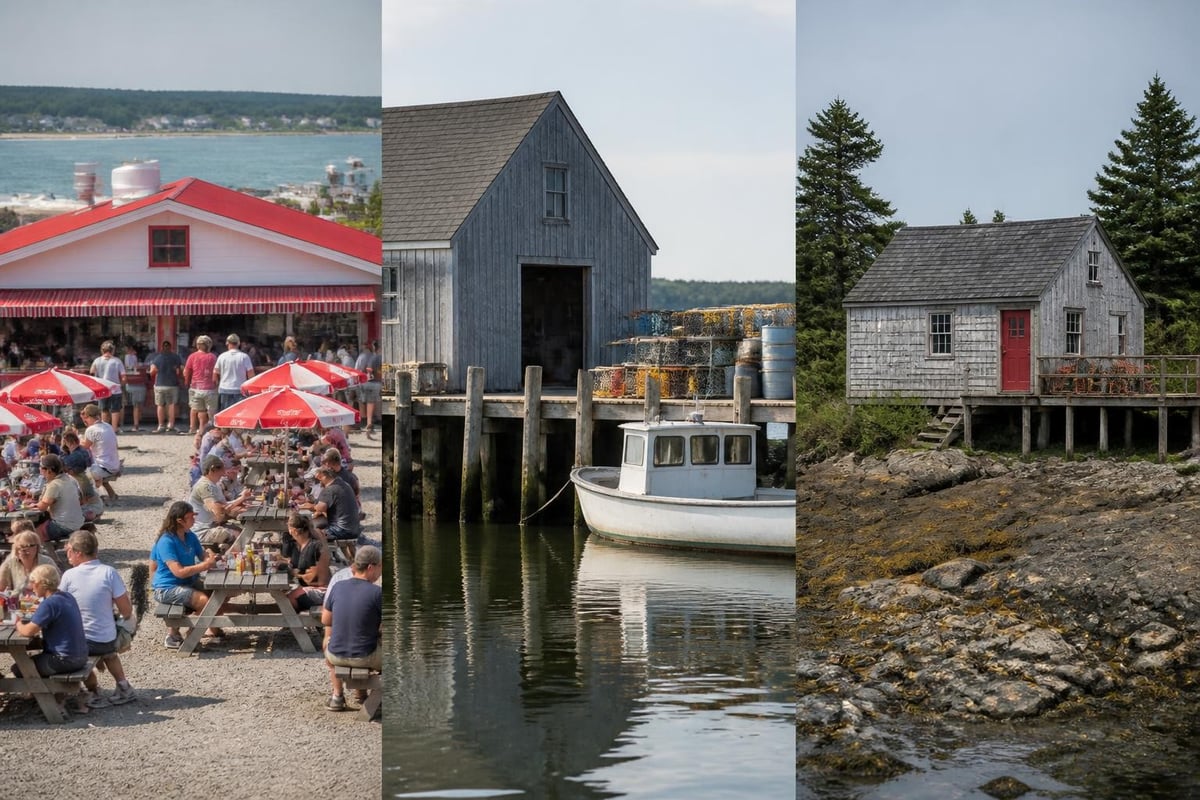
First-time visitors to lobster shacks sometimes feel uncertain about protocols and procedures. Understanding the unwritten rules enhances enjoyment and helps you blend in with seasoned regulars. The experience differs significantly from conventional restaurant dining.
Ordering and Service Flow
Most lobster shacks operate on a counter-service model. You approach the ordering window, place your order, receive a number, and wait for your name or number to be called. Payment happens at ordering, not after eating. Some establishments still operate cash-only, though this practice has become less common in recent years.
Step-by-step process:
- Review the menu board (usually posted near the ordering window)
- Join the ordering line (expect waits during peak lunch and dinner hours)
- Place your order and pay at the counter
- Take your number and find seating
- Listen for your number to be called
- Pick up your food at the designated window
- Bus your own table when finished
Seating operates on a first-come, first-served basis. During busy periods, you might share a picnic table with strangers. This communal dining creates unexpected conversations and adds to the casual, friendly atmosphere.
Timing and Seasonal Considerations
Most lobster shacks operate seasonally, typically from Memorial Day weekend through Columbus Day weekend. A handful stay open year-round, though with reduced hours during winter months. The shoulder seasons (May and September-October) often provide the best experiences with moderate crowds and excellent weather.
Peak summer months (July and August) bring the largest crowds. Arriving before 11:30 AM for lunch or after 2 PM for an early dinner helps avoid the worst rush periods. Weekdays generally offer shorter waits than weekends.
Sustainability and the Modern Lobster Industry
Maine's lobster industry has demonstrated remarkable sustainability, with strict regulations ensuring healthy populations for future generations. Lobster shacks play an important role in this ecosystem by purchasing from licensed, local fishermen who follow conservation guidelines.
Conservation Practices and Regulations
Maine law requires fishermen to measure every lobster caught. Undersized lobsters go back into the ocean, as do oversized breeding females. This "v-notch" program protects the most productive breeding stock. The result: Maine's lobster population remains robust despite increased harvesting over recent decades.
Many lobster shacks post information about these practices, educating diners about the sustainability of their meal. Some establishments participate in traceability programs, allowing customers to learn which boat caught their lobster.
| Conservation Measure | Purpose | Impact |
|---|---|---|
| Minimum size limit | Protect juvenile lobsters | Ensures reproduction before harvest |
| Maximum size limit | Protect breeding females | Maintains genetic diversity |
| V-notch program | Identify proven breeders | Long-term population stability |
| Trap limits | Prevent overfishing | Sustainable harvest levels |
| Seasonal restrictions | Protect molting periods | Healthier population dynamics |
Finding the Best Spots for Your Visit
With dozens of lobster shacks scattered along Maine's coast, choosing where to dine can feel overwhelming. Several factors beyond food quality deserve consideration when planning your seafood adventure.
Location and Accessibility
Waterfront locations offer the most authentic atmosphere, with views of working harbors and the boats that caught your dinner. However, these spots often have limited parking and can be challenging to find. Roadside establishments trade some atmosphere for convenience and easier access.
Consider proximity to other activities in your itinerary. Many visitors enjoy combining a lobster shack meal with exploring charming coastal towns, visiting lighthouses, or spending time at the beach. The dining guide organized by town can help you plan efficient routes that maximize your coastal Maine experience.
Atmosphere and Amenities
Some prefer the bare-bones experience with minimal shelter and maximum authenticity. Others appreciate covered seating areas for protection from Maine's unpredictable weather. Families with young children might prioritize establishments with restroom facilities and changing tables.
Amenities checklist to consider:
- Covered or indoor seating options
- Restroom facilities
- Parking availability and cost
- Credit card acceptance
- Alcohol service or BYOB policy
- Wheelchair accessibility
- Pet-friendly outdoor areas
The most popular lobster shacks often lack many of these amenities, maintaining their traditional character. Deciding which conveniences matter most helps narrow your choices.
Beyond Lobster: Exploring the Full Menu
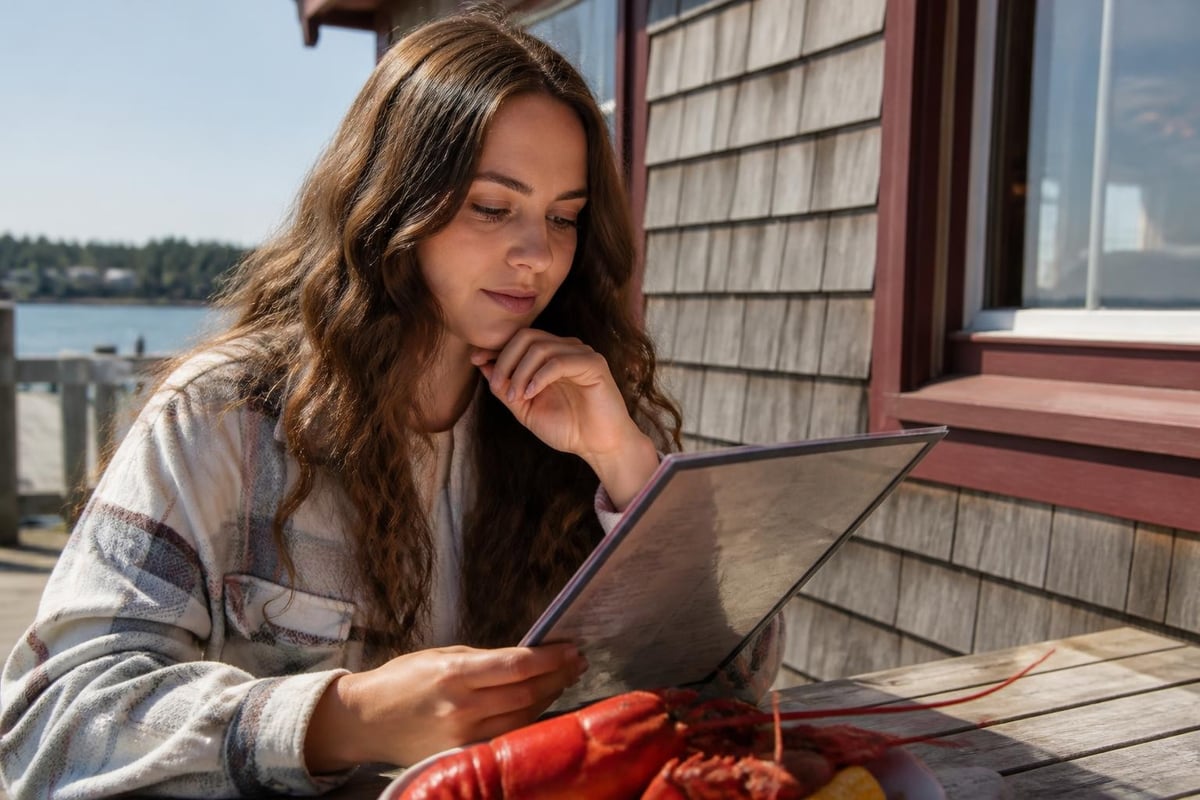
While lobster rightfully receives top billing, overlooking other menu items means missing some exceptional seafood preparations. Diversifying your order across multiple visits reveals the depth of Maine's coastal cuisine.
Steamers and Fried Seafood
Steamer clams represent quintessential Maine eating. These soft-shell clams arrive in a bucket with broth for rinsing and melted butter for dipping. The ritual of pulling each clam from its shell, swishing it through broth to remove sand, then dunking it in butter creates an interactive dining experience.
Fried seafood baskets showcase Maine's clams, scallops, and shrimp. The best preparations use light batters that don't overwhelm the delicate seafood flavors. Whole-belly clams offer richer taste than clam strips, though they're not for everyone.
Chowders and Soups
New England clam chowder varies significantly between establishments. Some prefer thick, heavily cream-based versions loaded with potatoes, while others make lighter preparations that emphasize clam flavor. Lobster bisque appears on many menus as a premium option, rich and luxurious.
Trying the chowder serves as a good indicator of overall kitchen quality. This seemingly simple preparation reveals attention to detail and cooking skill.
Making the Most of Your Visit
Strategic planning transforms a good lobster shack experience into a memorable one. Small details make significant differences in comfort and enjoyment, especially during peak season.
What to Bring
Most lobster shacks provide the basics, but a few items from home enhance the experience. Wet wipes or hand sanitizer prove essential since lobster eating gets messy. Sunscreen and hats protect against unexpected sun exposure during outdoor dining. A sweatshirt or light jacket helps on cooler evenings, as coastal temperatures drop significantly after sunset.
BYOB policies at many establishments mean bringing your own beer or wine is acceptable and expected. Check individual policies before arriving, and always bring a bottle opener or corkscrew.
Dining Strategies
Ordering a variety of items for sharing allows tasting multiple preparations. Most lobster shacks accommodate splitting requests, providing extra plates and utensils. This approach works especially well for first-time visitors uncertain about portion sizes.
Whole lobsters require some technique to extract all the meat efficiently. Don't hesitate to ask for crackers, picks, and instruction if you're unfamiliar with the process. Staff members generally enjoy helping newcomers navigate their first lobster.
The Cultural Significance of Casual Seafood
Lobster shacks represent more than convenient places to eat; they embody Maine's cultural identity and relationship with the ocean. These establishments preserve traditions while adapting to modern realities, creating spaces where heritage and progress coexist.
The communal dining atmosphere breaks down social barriers. Executives eat beside construction workers, tourists chat with locals, and children learn about sustainable fishing. This democratic quality reflects Maine's independent spirit and unpretentious character.
Community Gathering Spaces
For coastal communities, lobster shacks serve as neighborhood hubs where residents connect throughout the season. Regular customers develop relationships with owners and staff that span decades. These bonds strengthen community identity and preserve local knowledge.
Summer employment at lobster shacks provides first jobs for countless teenagers, teaching work ethic and customer service skills. Multi-generational family operations pass down business wisdom alongside cooking techniques.
Planning Your Lobster Shack Adventure
Incorporating lobster shacks into your Maine vacation requires some advance research and flexible scheduling. Weather, crowd levels, and seasonal timing all influence the experience significantly.
Building an Itinerary
Most Maine visitors enjoy trying multiple lobster shacks during their stay, comparing styles and preparations. Spacing visits across different days prevents seafood overload and allows appreciation of each establishment's unique qualities. Mixing lobster shack meals with other dining experiences creates better balance.
Consider geographic clustering when planning. Southern Maine beaches offer the highest concentration of options within short distances. The region featured in the Official Visitors Guide provides excellent starting points for first-time visitors, with numerous well-established lobster shacks accessible from major beach destinations.
Budget Considerations
Lobster shack dining costs less than formal restaurant meals but still represents a significant expense. Whole lobsters range from $20-$35 depending on size and market prices, while lobster rolls typically run $18-$28. A family of four can easily spend $100-$150 for a full meal.
Money-saving strategies:
- Visit during early season (May-June) when prices are often lower
- Order fried seafood baskets instead of lobster at some meals
- Share whole lobsters and sides among multiple people
- Choose lunch over dinner for similar food at slightly lower prices
- Skip beverages and bring your own drinks where permitted
Remember that lobster shack pricing reflects fresh, locally-sourced seafood prepared simply. The value proposition compares favorably to purchasing raw lobster and cooking it yourself, especially considering the coastal atmosphere and convenience.
Weather Backup Plans
Maine's coastal weather can shift rapidly, with fog, rain, or unexpected cold fronts arriving with little warning. Most lobster shacks offer minimal weather protection, making backup plans essential for enjoyable visits.
Checking weather forecasts before heading to outdoor-only establishments saves disappointment. Some shacks have covered areas or limited indoor seating that provide shelter during brief showers. Others close entirely during heavy rain or extreme weather.
Having alternative lobster shacks identified allows quick pivots when weather doesn't cooperate. Indoor-outdoor hybrid establishments provide insurance against unpredictable conditions while maintaining authentic atmosphere during pleasant weather.
Maine's lobster shacks offer an irreplaceable combination of fresh seafood, coastal atmosphere, and cultural authenticity that defines the region's character. From understanding menu options to timing your visits and choosing the right locations, these traditional establishments reward informed planning with memorable dining experiences. The Maine Beaches provides comprehensive resources for discovering the perfect lobster shacks alongside all the coastal attractions, beautiful beaches, and local experiences that make southern Maine such a compelling destination for food lovers and adventure seekers alike.