
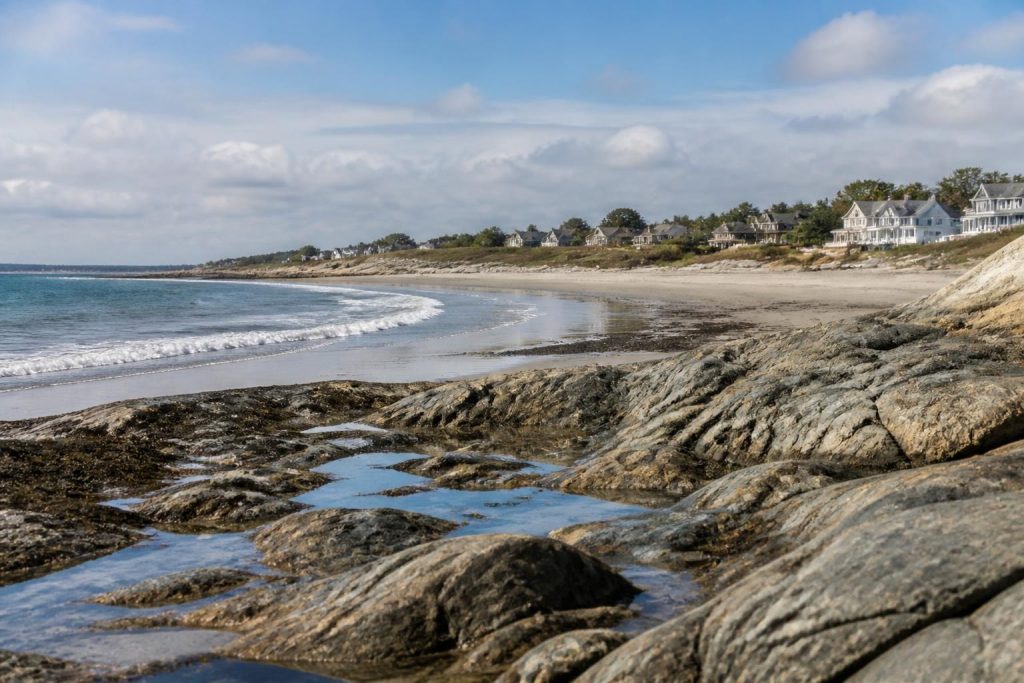
Maine’s coastline stretches over 3,500 miles when accounting for all its islands, inlets, and peninsulas, offering an extraordinary variety of coastal experiences. Whether you’re seeking sandy expanses perfect for sunbathing, rocky shores ideal for tidepooling, or secluded coves for peaceful reflection, a beach in Maine provides something truly special. The 2026 season brings renewed focus on coastal preservation, water quality monitoring, and sustainable tourism practices that enhance every visit to these remarkable shores.
Click here to view our official visitors guide.
Understanding Maine’s Unique Coastal Environment
A beach in Maine differs significantly from what you might find in warmer climates. The state’s beaches are shaped by glacial history, dramatic tidal fluctuations, and the cold waters of the Gulf of Maine. These factors create distinctive ecosystems that support diverse marine life and offer unique recreational opportunities throughout the year.
Geological Diversity Along the Coast
Maine’s beaches fall into several distinct categories based on their geological composition and formation. Southern Maine features more traditional sandy beaches, while the mid-coast and Downeast regions showcase increasingly rocky shorelines punctuated by occasional sandy pockets.
Sandy beaches typically consist of fine quartz and feldspar grains deposited by ancient rivers and redistributed by ocean currents. These beaches offer classic seaside experiences with plenty of space for beach games, sandcastle building, and comfortable lounging.
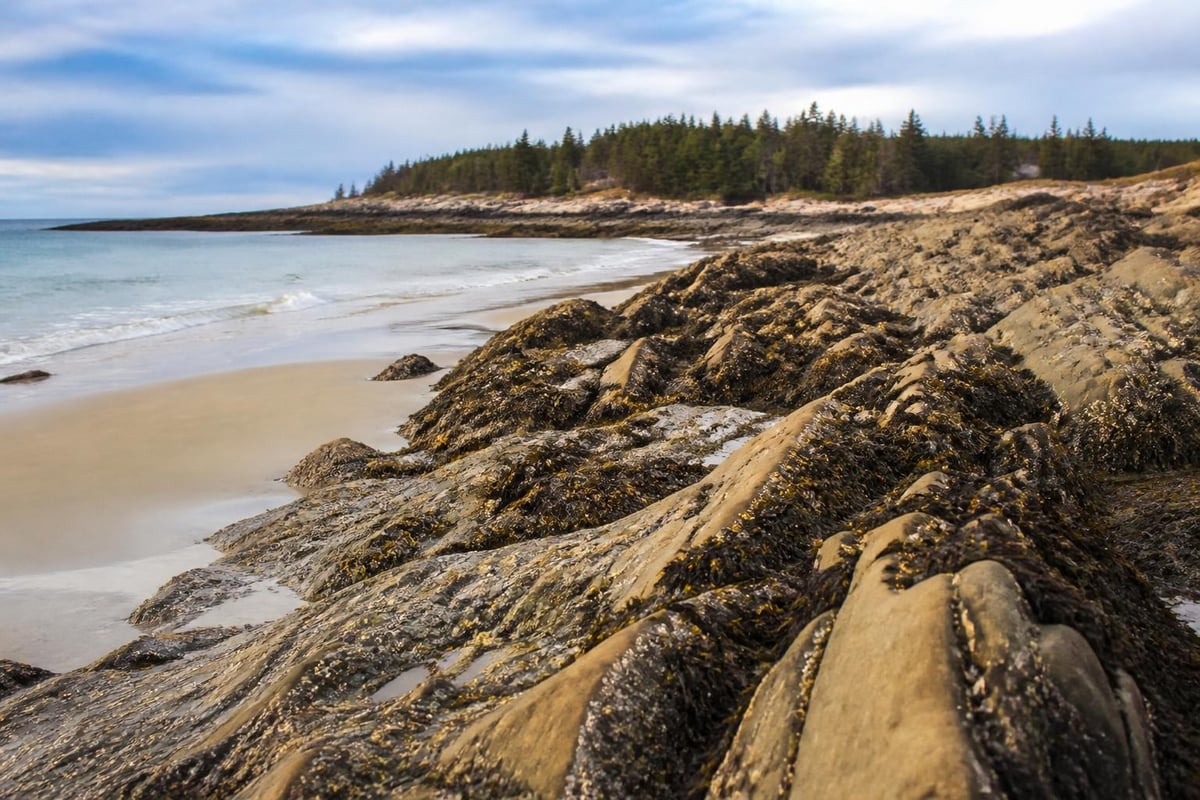
Rocky beaches and cobble shores dominate much of Maine’s coastline. These areas provide exceptional opportunities for exploring tidal pools, observing marine creatures, and experiencing the raw power of Atlantic waves crashing against ancient granite formations.
Mixed beaches combine both elements, offering sandy areas at low tide that transition to rocky outcrops and ledges as the tide rises. These dynamic environments require careful attention to tidal schedules but reward visitors with constantly changing landscapes.
Planning Your Beach Visit in 2026
Successful beach days in Maine require more preparation than in many other coastal destinations. The combination of cold water temperatures, significant tidal changes, and variable weather patterns means visitors should approach their beach time with knowledge and appropriate gear.
Seasonal Considerations and Best Times
Maine’s beach season traditionally runs from late June through early September, with peak visitation in July and August. However, each season offers distinct advantages for different types of beach enthusiasts.
Summer months (June-August) bring the warmest water temperatures, though “warm” is relative-expect ocean temperatures between 55°F and 65°F. Air temperatures typically range from 70°F to 85°F, creating pleasant conditions for all beach activities.
Shoulder seasons (May-June and September-October) offer fewer crowds, lower accommodation prices, and often spectacular weather. While swimming becomes less appealing, beachcombing, coastal hiking, and wildlife observation improve dramatically during these periods.
Winter beach visits have gained popularity among locals and adventurous travelers who appreciate the stark beauty of a beach in Maine during colder months. Storm watching, photography, and peaceful contemplation draw visitors year-round.
Understanding Tidal Patterns
Maine experiences semidiurnal tides, meaning two high tides and two low tides occur approximately every 25 hours. The tidal range averages 9-11 feet but can exceed 20 feet in certain areas during spring tides.
Low tide reveals tide pools teeming with marine life, expands beach area significantly, and creates opportunities for exploring normally submerged features. High tide brings deeper water closer to shore, reduces available beach space, and can create dramatic wave action against rocky headlands.
|
Tide Stage |
Best Activities |
Safety Considerations |
|---|---|---|
|
Low Tide |
Tidepooling, beachcombing, exploring |
Watch for incoming tide, slippery rocks |
|
Rising Tide |
Swimming (warmer water), surfing |
Current awareness, don’t get trapped |
|
High Tide |
Fishing, wave watching, kayaking |
Limited beach space, stronger currents |
|
Falling Tide |
All activities, best visibility |
Avoid isolated areas as water recedes |
Water Quality and Safety Standards
The Maine Healthy Beaches Program monitors water quality at beaches throughout the state, testing for bacteria levels that could pose health risks to swimmers. Understanding these monitoring efforts helps visitors make informed decisions about when and where to swim.
Beach Monitoring Programs
State officials collect water samples weekly during the summer season at designated public beaches. When bacteria levels exceed safe thresholds, advisories are posted both on-site and through the online beach advisory portal.
The monitoring process involves:
-
Weekly water sample collection at designated beaches
-
Laboratory analysis for E. coli and enterococcus bacteria
-
Results posted within 24-48 hours
-
Advisory notifications when levels exceed standards
-
Resampling to determine when water quality improves
Visitors should check current conditions before heading to any beach in Maine, especially after heavy rainfall, which can temporarily impact water quality through stormwater runoff.
Beach Safety Guidelines
Beyond water quality, several safety considerations apply to Maine beach visits. The beach safety resources provided by state agencies offer comprehensive guidance on protecting yourself and the coastal environment.
Cold water awareness ranks as the most critical safety concern. Even in summer, Maine’s ocean temperatures can cause cold shock and hypothermia within minutes for unprepared swimmers. Wetsuits extend comfortable water time significantly.
Rip currents occur at many Maine beaches, particularly those with sandbars and strong tidal flows. If caught in a rip current, swim parallel to shore until free of the current, then angle back toward land.
Rocky shore hazards include slippery surfaces covered with algae, unexpected waves that can sweep people off rocks, and unstable footing on loose cobbles. Appropriate footwear and constant ocean awareness are essential.
Top Beach Experiences and Activities
A beach in Maine offers far more than traditional sunbathing and swimming. The state’s coastal environment supports diverse activities that take advantage of unique natural features and ecological richness.
Tidepooling and Marine Discovery
Low tide transforms rocky beaches into outdoor classrooms filled with marine life. Tide pools harbor sea stars, periwinkles, green crabs, sea urchins, hermit crabs, and numerous other creatures adapted to the challenging intertidal zone.
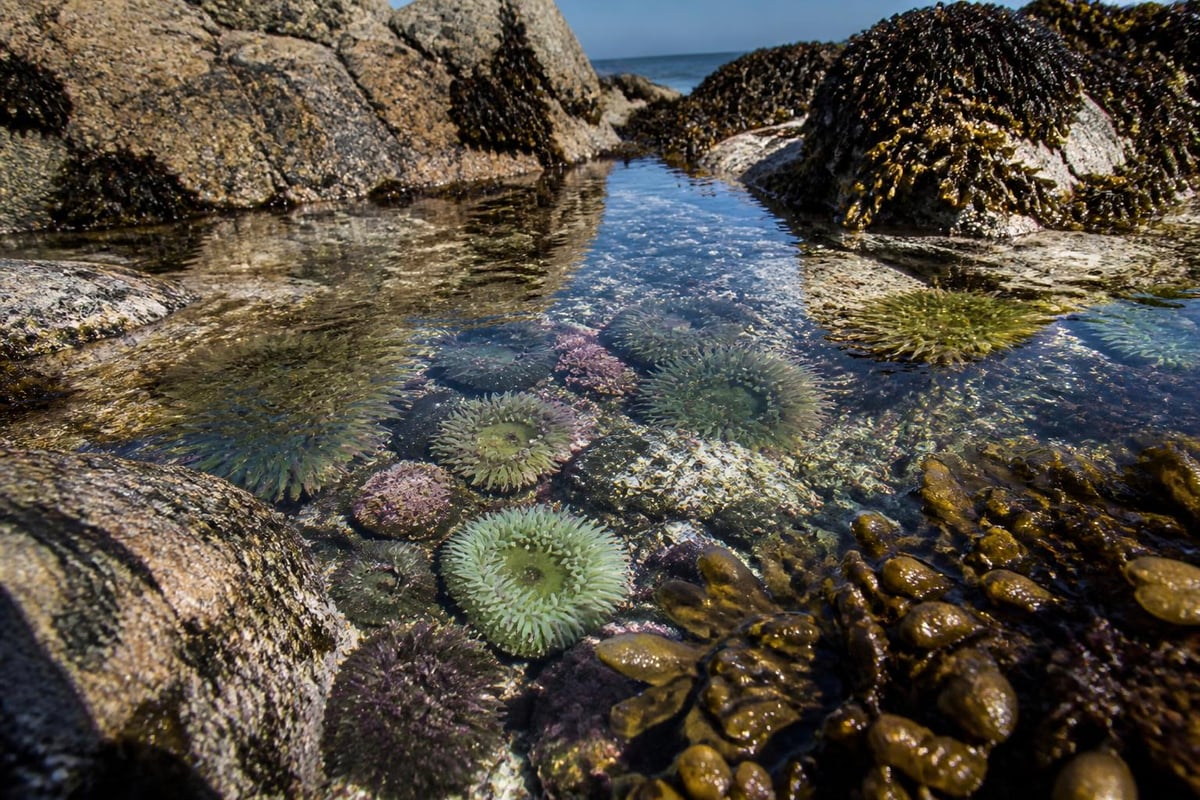
Best tidepooling locations typically feature large rock formations with numerous depressions and crevices that retain water as the tide recedes. Southern Maine beaches with mixed rocky and sandy areas often provide excellent tidepooling opportunities accessible to families.
Responsible observation practices include:
-
Carefully replacing any rocks you turn over
-
Observing creatures without removing them from pools
-
Walking carefully to avoid crushing organisms
-
Never taking live creatures from their habitat
-
Teaching children gentle interaction with marine life
Beach Combing and Natural Treasures
Each tide cycle deposits new treasures along Maine’s beaches. Sea glass smoothed by decades of wave action, colorful shells, driftwood sculpted by salt water, and occasionally rare finds like whale bones or ancient pottery shards reward patient searchers.
The best beachcombing occurs after storms, during spring tides with extreme tidal ranges, and in early morning before other beachgoers claim the best finds. Southern beaches tend to yield more sea glass and shells, while rocky northern beaches offer interesting stones, fossils, and unique driftwood.
Coastal Recreation and Adventure
Modern beach visits in Maine increasingly include active pursuits beyond traditional beach activities. Kayaking along the coast reveals hidden coves and wildlife viewing opportunities. Stand-up paddleboarding has exploded in popularity, offering full-body workouts with spectacular coastal views.
Surfing grows each year in Maine, with dedicated communities forming around consistent break points. While water temperatures demand quality wetsuits, the uncrowded waves and scenic backdrops attract surfers from around the region.
Family-Friendly Beach Destinations
Families visiting a beach in Maine need destinations offering safe swimming, amenities, and activities suitable for all ages. Several beaches excel at providing family-oriented experiences while maintaining the natural beauty that makes Maine special.
Essential Amenities and Services
The best family beaches provide bathrooms, changing facilities, parking, and ideally lifeguard supervision during peak season. Some beaches offer concession stands, equipment rentals, and designated swimming areas marked by buoys.
Many coastal towns maintain detailed information about beach amenities, parking fees, and seasonal services. For comprehensive planning resources covering multiple destinations, the Official Visitors Guide provides valuable information about southern Maine beaches and their facilities.
Child-Friendly Features
Parents should seek beaches with gradual slopes into the water, protected areas with minimal wave action, and sandy bottoms free from sharp rocks. Tidal pools near family beaches should be easily accessible and feature stable rock formations that children can explore safely under supervision.
|
Beach Type |
Advantages for Families |
Considerations |
|---|---|---|
|
Sandy Beach |
Sandcastle building, easy walking, comfortable sitting |
Crowds in summer, limited shade |
|
Protected Cove |
Calmer water, warmer temperatures, enclosed space |
Smaller area, fills quickly |
|
Harbor Beach |
Very calm water, scenic boats, nearby towns |
Often limited swimming area |
|
State Park Beach |
Facilities, lifeguards, maintained grounds |
Entrance fees, parking challenges |
Environmental Stewardship and Conservation
Protecting Maine’s beaches ensures future generations can enjoy these treasures. Visitors play crucial roles in conservation through mindful behavior and support for preservation efforts.
Leave No Trace Principles
Every beach visitor should commit to leaving coastal areas better than they found them. This means packing out all trash, disposing of cigarette butts properly, and picking up litter left by others when possible.
Respect wildlife by observing from appropriate distances, never feeding wild animals, and avoiding nesting areas clearly marked by signs or rope barriers. Shorebirds particularly need protection during nesting season from May through August.
Coastal Ecosystem Protection
The Maine Coastal Public Access Guide helps visitors find public beaches while understanding the importance of respecting private property and sensitive natural areas.
Dune systems protect inland areas from storm surge and provide crucial habitat for specialized plants and animals. Never walk on dunes, pick beach grass, or create new pathways through these fragile ecosystems. Use designated boardwalks and access points exclusively.
Beach erosion increasingly threatens Maine’s coastline due to rising sea levels and more frequent severe storms. Some beaches receive nourishment projects to restore sand levels, while others rely on natural processes. Understanding these dynamics helps visitors appreciate conservation efforts.
Accessibility and Public Beach Access
Finding and accessing public beaches in Maine sometimes challenges visitors, as much of the coastline remains privately owned. However, numerous public access points exist throughout the coastal region, maintained by state, local, and federal agencies.
Navigating Public Access Points
State parks, town beaches, and federally managed areas provide guaranteed public access, though some charge entrance or parking fees during peak season. Many towns offer resident and non-resident parking passes with different fee structures.
The state maintains comprehensive databases and interactive maps showing public beach access locations. These resources help visitors plan trips efficiently while respecting property boundaries that might not be immediately obvious on the ground.
Parking and Transportation
Summer beach parking fills early on nice weather days, particularly at popular southern Maine destinations. Arriving before 9:00 AM or after 3:00 PM often improves parking availability significantly. Some beaches offer shuttle services from satellite lots during peak season.
Bicycle access to beaches provides an alternative that avoids parking hassles while reducing environmental impact. Many coastal communities have improved bike infrastructure, making pedaling to the beach increasingly practical and safe.
Seasonal Events and Community Celebrations
Maine’s beach communities host numerous events throughout the year that celebrate coastal culture and provide entertainment for visitors and residents alike. These gatherings showcase local traditions while creating memorable experiences beyond standard beach activities.
Summer Beach Events
Community events range from sandcastle competitions and beach volleyball tournaments to outdoor concerts and fireworks displays. The annual Beach Olympics scheduled for August 14, 2026, exemplifies the type of festive beach gathering that attracts participants and spectators throughout the region.
Local celebrations often incorporate beach cleanups, environmental education programs, and fundraising for coastal conservation efforts. Participating in these events deepens visitor connections to Maine’s coastal communities while supporting worthwhile causes.
Cultural Festivals and Traditions
Coastal Maine’s rich maritime heritage shines through in numerous festivals celebrating fishing traditions, boat building, and seafaring history. These events frequently center around harbor areas adjacent to beaches, offering opportunities to explore both cultural attractions and natural beach environments.
Enhancing Your Beach Experience
Maximizing enjoyment of a beach in Maine requires appropriate preparation, equipment, and knowledge that might differ from beach visits in other regions.
Essential Gear and Equipment
Sun protection remains critical despite cooler temperatures. Maine’s northern latitude provides less atmospheric filtering of UV radiation, and reflection off water and sand intensifies exposure. High-SPF sunscreen, wide-brimmed hats, and UV-protective clothing protect skin during extended beach time.
Layered clothing accommodates Maine’s changeable coastal weather. Temperatures can swing 20 degrees or more as fog rolls in or winds shift direction. Bringing windbreakers, fleece layers, and extra towels prevents cutting beach trips short due to discomfort.
Water shoes or sandals with straps protect feet on rocky beaches and provide traction on slippery surfaces. Even sandy beaches often have scattered rocks, shells, or other sharp objects that bare feet encounter painfully.
Timing Your Visit Strategically
Many visitors don’t realize that a beach in Maine often feels warmer and more pleasant during afternoon hours when land temperatures exceed ocean temperatures. Morning fog frequently blankets the coast, burning off by midday to reveal beautiful beach weather.
Checking weather forecasts specifically for coastal areas provides better accuracy than inland predictions. Coastal microclimates can differ dramatically from conditions just a few miles inland, with temperatures often 10-15 degrees cooler at the beach.
Photography and Natural Beauty
Maine beaches offer spectacular photography opportunities throughout the year, with dramatic lighting, diverse landscapes, and ever-changing conditions creating unique images impossible to replicate elsewhere.
Optimal Photography Conditions
Golden hour lighting-the first hour after sunrise and last hour before sunset-transforms beach landscapes with warm, directional light that emphasizes textures and creates long shadows. Summer sunrise occurs around 5:00 AM, providing uncrowded beach access for dedicated photographers.
Storm photography attracts adventurous image-makers willing to brave challenging conditions for dramatic wave action, moody skies, and powerful atmospheric effects. Safety must remain paramount when photographing storms, maintaining safe distances from large waves and unstable conditions.
Capturing Marine Wildlife
Seals, seabirds, and occasionally whales visible from shore provide compelling subjects for wildlife photographers. Telephoto lenses allow capturing detailed images while maintaining respectful distances that don’t disturb animals.
Tidal pool macro photography reveals intricate details of marine organisms and creates abstract compositions from textures, colors, and patterns found in the intertidal zone. Waterproof cameras or housings enable underwater perspectives of tidal pool inhabitants.

Digital Resources and Trip Planning
Modern technology enhances beach trip planning through real-time information about conditions, crowds, and available amenities. Several digital tools specifically serve Maine beach visitors.
Online Planning Tools
Interactive maps provided by state agencies show beach locations, current water quality status, and available facilities. Mobile-friendly formats allow checking conditions while already on the road, enabling flexible itinerary adjustments based on real-time information.
Weather radar and tide prediction apps provide essential information for timing beach visits optimally. Combining tide charts with weather forecasts helps identify ideal windows for specific activities like tidepooling, swimming, or coastal hiking.
For travelers seeking to maximize their online presence while exploring Maine’s beaches, platforms like RankPill offer automated SEO services that help travel bloggers and content creators share their coastal adventures with wider audiences through optimized content and strategic keyword targeting.
Social Media and Community Resources
Local beach communities maintain active social media presence sharing current conditions, event announcements, and visitor tips. Following town pages and beach-specific accounts provides insider knowledge that guidebooks can’t match.
Photography-focused social media groups showcase stunning images from Maine beaches while providing location information and shooting tips. These communities often alert members to special conditions like unusual wildlife sightings or spectacular weather phenomena worth witnessing.
Culinary Experiences and Beach Dining
No beach visit in Maine is complete without sampling the exceptional seafood and local cuisine that defines coastal culture. From casual lobster shacks to fine dining establishments, culinary adventures complement beach time perfectly.
Beach-Accessible Dining Options
Many beaches sit within walking or short driving distance of restaurants serving fresh-caught seafood prepared in traditional Maine styles. Lobster rolls, fried clams, and chowder rank among must-try dishes that taste best when enjoyed near the ocean where ingredients originated.
Picnic-style beach dining allows families to maximize beach time while controlling food costs and dietary preferences. Local markets and specialty shops provide prepared foods, fresh produce, and regional specialties perfect for beach spreads.
Supporting Local Food Traditions
Maine’s coastal food culture extends beyond lobster to include diverse seafood, farm products, and artisanal creations. Supporting local restaurants, farm stands, and food producers sustains communities while providing visitors with authentic culinary experiences.
Planning beach days around meal times at specific restaurants adds structure to visits while ensuring you experience the best of Maine’s food scene. Checking the dining options available in each coastal town helps coordinate beach time with culinary exploration.
Connecting with Maine’s Coastal Heritage
Understanding the historical and cultural context of Maine’s beaches enriches modern visits by revealing layers of meaning beyond immediate natural beauty. The coast has shaped human activity in this region for thousands of years.
Indigenous Connections
The Wabanaki people-including the Penobscot, Passamaquoddy, Maliseet, and Micmac tribes-have lived along Maine’s coast for over 10,000 years. Beaches provided essential resources including shellfish, fish, and materials for tools and crafts that sustained these cultures.
Shell middens-massive accumulations of discarded shells-mark locations where Indigenous peoples harvested shellfish over centuries. These archaeological sites deserve protection and respect as sacred spaces holding ancestral significance.
Maritime History and Traditions
Maine’s beaches witnessed centuries of maritime activity including fishing, shipbuilding, and international trade. Many coastal communities grew around harbors adjacent to beaches, creating interconnections between maritime commerce and beach environments that persist today.
Historic lighthouses dot the coastline, many positioned on rocky points near beaches. These structures protected mariners while creating landmarks that define Maine’s coastal identity. Visiting lighthouses near beaches provides historical context while offering spectacular views.
Maine’s beaches reward visitors who approach them with preparation, respect, and curiosity about the natural and cultural treasures these coastal environments contain. From understanding tidal patterns and water quality to discovering marine life and supporting local communities, every beach visit offers opportunities for learning and connection. Whether you’re planning your first trip or returning for another season of coastal exploration, The Maine Beaches provides comprehensive guidance to help you discover pristine shores, exceptional dining, and unforgettable experiences along one of America’s most spectacular coastlines.