

Maine’s coastline stretches over 3,400 miles when accounting for all the inlets, coves, and peninsulas that create one of the most diverse beach landscapes in New England. Finding the best beach in Maine depends entirely on what type of coastal experience you’re seeking. Some visitors crave wide sandy expanses perfect for sunbathing and sandcastle building, while others prefer dramatic rocky shores where tide pools reveal hidden marine life. The state’s beaches range from family-friendly destinations with warm shallow waters to secluded stretches where you might spot harbor seals lounging on offshore rocks. Understanding what makes each beach unique helps you select the perfect spot for your 2026 coastal adventure.
Click here to view our official visitors guide.
What Makes Maine Beaches Unique
Maine beaches differ significantly from their southern counterparts in several important ways. The water temperature remains cool throughout summer, typically ranging from 55 to 65 degrees Fahrenheit, which means most swimmers bring wetsuits or plan shorter dips. This cooler climate creates a distinct coastal ecosystem that supports different wildlife and vegetation compared to beaches further south.
The Geography Factor
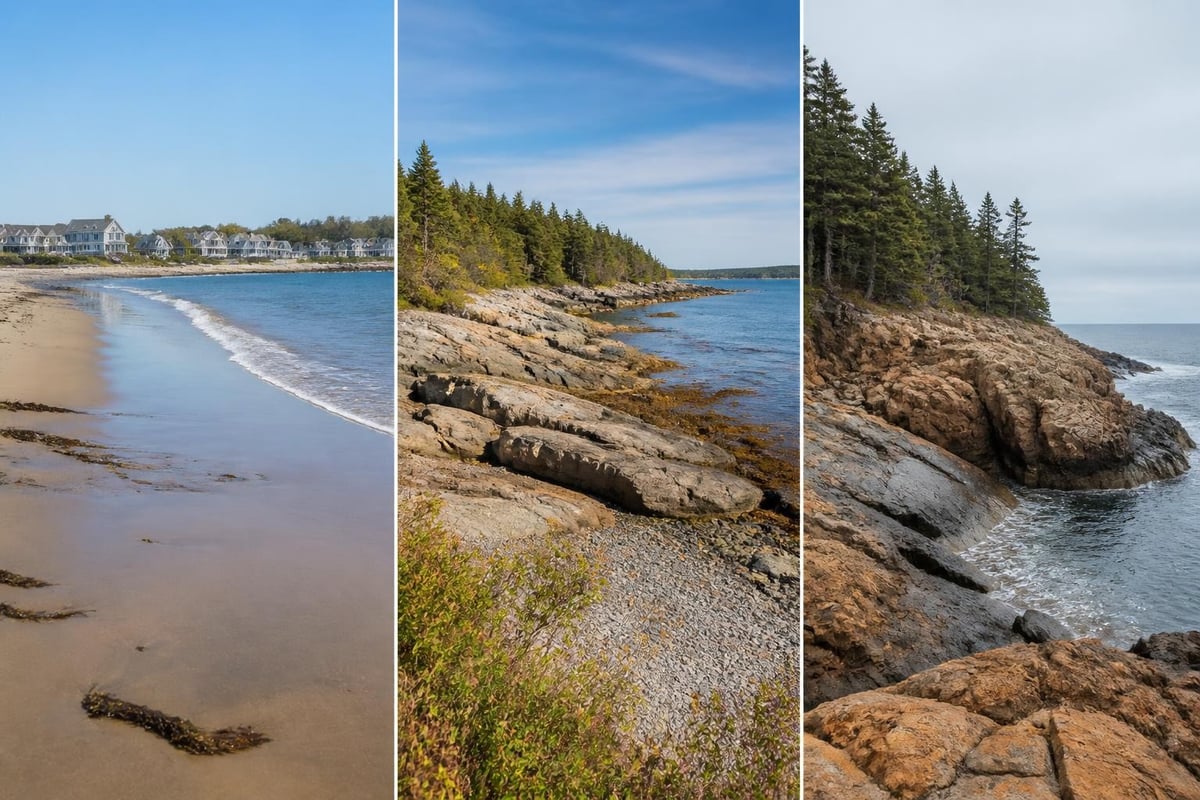
The state’s beaches divide into two main geological categories: sandy beaches concentrated in the southern region and rocky coastlines dominating the mid-coast and northern areas. Sandy beaches typically feature gentle slopes and calmer waters, making them ideal for families with young children. Rocky beaches offer dramatic scenery with granite formations, tide pools teeming with sea creatures, and opportunities for exploration.
Tidal ranges in Maine rank among the most extreme on the East Coast, with some areas experiencing differences of 10 to 12 feet between high and low tide. This creates constantly changing beach landscapes where morning and afternoon visits to the same spot reveal completely different shorelines.
-
Southern Maine beaches: Wide sandy expanses, warmer waters, more facilities
-
Mid-coast beaches: Mix of sand and rock, scenic harbors, quieter atmosphere
-
Downeast beaches: Rocky shores, dramatic cliffs, pristine wilderness
-
Island beaches: Accessible by ferry, secluded, unique ecosystems
Old Orchard Beach: The Classic Choice
When discussing the best beach in Maine, Old Orchard Beach consistently tops many lists for its combination of natural beauty and vibrant atmosphere. This seven-mile stretch of fine sand represents Maine’s most developed beach destination, complete with a historic pier extending 500 feet into the Atlantic Ocean.
The beach offers amenities that many Maine beaches lack, including nearby restaurants, arcades, and entertainment venues. Families appreciate the gentle slope into the water and lifeguard presence during summer months. The iconic Palace Playland amusement park sits steps from the sand, providing entertainment options when beach time wraps up.
Why Families Choose Old Orchard
Old Orchard Beach delivers consistent experiences year after year. The sand quality remains excellent for building sandcastles and beach volleyball, while the water stays relatively calmer than exposed beaches. Parking options range from metered street parking to larger lots, though arriving early during peak season proves essential.
Local businesses support beach visitors with rental equipment for umbrellas, chairs, and boogie boards. Several beachfront hotels offer direct access, eliminating the need for daily parking searches. The town maintains the beach meticulously, with regular cleanings and well-maintained facilities.
|
Feature |
Old Orchard Beach |
Typical Maine Beach |
|---|---|---|
|
Sand Type |
Fine, soft sand |
Varies widely |
|
Water Depth |
Gradual slope |
Often steeper |
|
Amenities |
Extensive |
Limited |
|
Crowds |
High in summer |
Varies by location |
|
Parking |
Multiple lots |
Often limited |
Ogunquit Beach: Where Beauty Meets Accessibility
Ogunquit Beach earns recognition as potentially the best beach in Maine for its stunning natural setting combined with excellent facilities. The name “Ogunquit” comes from the Abenaki word meaning “beautiful place by the sea,” and the beach lives up to this description with its wide sandy expanse backed by dunes and beach roses.
The beach extends for over a mile, providing enough space that even on busy summer days, visitors can find their own section of sand. The Marginal Way, a 1.25-mile cliff walk, connects Ogunquit Beach to Perkins Cove, offering spectacular ocean views and creating one of Maine’s most photographed coastal experiences.
Water quality consistently rates excellent, and the beach receives regular environmental assessments. The town operates a trolley system that simplifies beach access and reduces parking challenges. Three main access points serve different sections of the beach, each offering bathhouses and facilities.
Beach Amenities and Services
Ogunquit provides more comprehensive beach services than most Maine destinations. Clean bathhouses with changing areas and showers operate throughout the summer season. Lifeguards patrol designated swimming areas from late June through Labor Day weekend.
The town regulates beach activities to maintain a family-friendly environment while still allowing for various recreational pursuits. Dogs are welcome during off-season months but restricted during peak summer hours to protect nesting birds and maintain cleanliness.
-
Wheelchair-accessible beach mats
-
Designated swimming zones
-
Beach volleyball courts
-
Kayak and paddleboard rentals
-
Food vendors and nearby restaurants
Hidden Gems: Lesser-Known Maine Beaches
While popular destinations attract crowds for good reasons, several lesser-known beaches offer equally rewarding experiences with fewer visitors. These hidden gems often require more effort to reach but reward visitors with solitude and pristine conditions.
Goose Rocks Beach
Located in Kennebunkport, Goose Rocks Beach stretches for three miles of soft sand backed by summer cottages and beach roses. The residential nature keeps commercial development minimal, creating a peaceful atmosphere. Low tide reveals extensive tidal flats perfect for exploring, while high tide brings gentle waves suitable for swimming.
Parking remains limited and reserved primarily for residents and cottage renters, making this beach less accessible for day-trippers. However, those who gain access discover why locals guard this treasure carefully.
Sand Beach in Acadia National Park
This unique beach sits nestled between rocky cliffs in Acadia National Park, creating one of the most photographically stunning coastal settings in Maine. The sand consists partially of crushed shells, giving it a distinctive composition and slight pink hue.
The water here stays particularly cold, rarely exceeding 55 degrees even in August. Most visitors wade rather than swim, focusing instead on the dramatic scenery. The beach measures only 290 yards long, making it one of the few sandy beaches on Mount Desert Island.

Seasonal Considerations for Beach Visits
Determining the best beach in Maine also depends heavily on when you plan to visit. Each season offers distinct advantages and challenges that influence beach selection and activities.
Summer Peak Season
June through August represents peak beach season, with July and August bringing the warmest water temperatures and most reliable weather. However, these months also mean larger crowds, higher prices, and parking challenges at popular beaches.
Weekend visits during summer require early arrival, often before 9 AM, to secure good parking spots. Weekday visits provide more relaxed experiences with easier access to prime beach locations. Many beaches implement parking fees during summer months, typically ranging from $5 to $20 per day.
Shoulder Season Benefits
Late May and September offer compelling alternatives for beach visits. The weather remains pleasant, though water temperatures drop significantly. These months attract fewer tourists, making beach exploration more peaceful. Many facilities remain open, though hours may be reduced.
Fall beach walks reveal different coastal beauty, with fewer crowds and often spectacular weather. Swimming becomes less practical, but beachcombing, photography, and coastal walks shine during these months.
|
Season |
Water Temp |
Crowd Level |
Best Activities |
|---|---|---|---|
|
May |
48-55°F |
Low |
Walking, beachcombing |
|
June |
55-60°F |
Moderate |
Swimming, exploring |
|
July-Aug |
60-65°F |
High |
All activities |
|
September |
58-62°F |
Low-Moderate |
Photography, walking |
Family-Friendly Beach Features
Families seeking the best beach in Maine prioritize different features than solo travelers or couples. Safety, amenities, and entertainment options take precedence when children are involved.
Essential Family Amenities
Clean, accessible bathrooms rank as the top priority for families with young children. Beaches with proper facilities prevent stressful situations and extend comfortable beach time. Shower facilities help rinse off sand and salt before the car ride home.
Lifeguard presence provides peace of mind, though even guarded beaches require constant parental supervision. Family-friendly destinations typically feature gradual water depth increases, allowing children to wade safely while parents supervise from nearby.
Food accessibility matters significantly for family beach days. Beaches near town centers or with nearby restaurants simplify meal planning. Some families prefer beaches with fewer food options to maintain healthier eating habits and reduce costs.
Entertainment Beyond Swimming
The best family beaches offer activities beyond swimming that engage children during the full beach day. Tide pools provide natural entertainment, allowing kids to discover crabs, starfish, and small fish. Rocky areas near sandy beaches create ideal exploration zones.
Many southern Maine beaches sit near attractions that complement beach time. Amusement parks, mini golf courses, and ice cream shops provide alternatives when beach energy wanes. This combination keeps families entertained throughout multi-day vacations.
Beach Safety and Regulations
Understanding Maine beach safety guidelines ensures enjoyable and safe visits. The state’s unique coastal characteristics create specific hazards that differ from other beach destinations.
Rip Current Awareness
Even Maine’s relatively calm beaches can develop rip currents, particularly during high tide or stormy conditions. These narrow channels of water flowing away from shore can pull swimmers into deeper water. Beach safety experts recommend swimming parallel to shore if caught in a rip current rather than fighting directly against it.
Beaches with lifeguards post warning flags indicating water conditions. Red flags signal dangerous conditions, yellow flags indicate moderate risk, and green flags show calm conditions. Always check flag status before entering the water.
Wildlife Considerations
Maine beaches host various wildlife species that require respectful distance. Harbor seals commonly rest on offshore rocks and occasionally venture near shore. While tempting to approach, federal law requires maintaining 150 feet distance from marine mammals.
Nesting bird areas receive special protection, particularly for endangered species like piping plovers. Beaches rope off nesting areas during breeding season, typically April through August. Respect these boundaries to protect vulnerable populations.
-
Stay 150 feet from seals and marine mammals
-
Respect roped-off bird nesting areas
-
Store food securely to avoid attracting gulls
-
Never feed wildlife
-
Report injured or stranded animals to authorities
Accessibility and Beach Wheelchairs
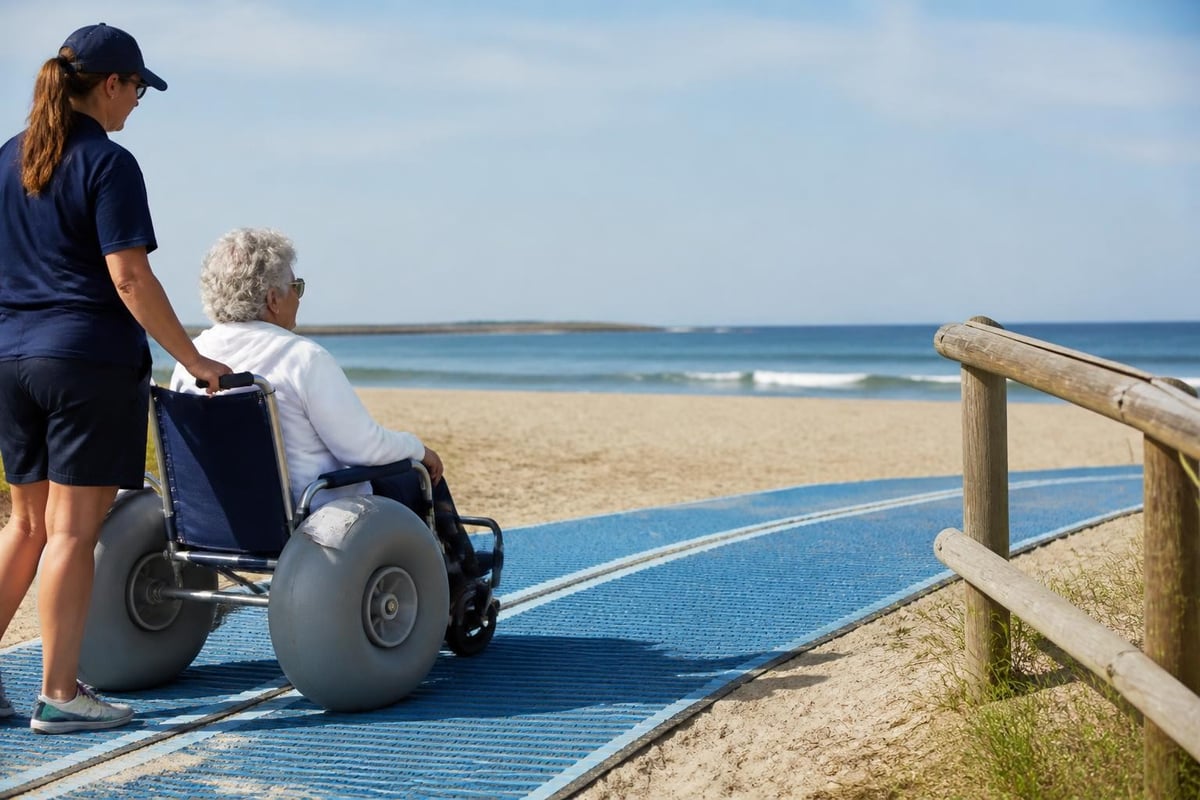
Maine has made significant progress in beach accessibility, with many popular beaches now offering adaptive equipment and improved access points. These enhancements make the best beach in Maine accessible to visitors with mobility challenges.
Adaptive Equipment Availability
Several beaches provide beach wheelchairs with large balloon tires designed to traverse sand easily. These chairs typically require advance reservation and are available free of charge. Beach mats create firm pathways from parking areas to the water’s edge, allowing wheelchair users, strollers, and walkers easier access.
Accessible parking spaces place visitors closer to beach access points. Some beaches have constructed boardwalks and ramps that extend partway onto the beach, reducing the distance wheelchairs must travel through loose sand.
Best Beaches for Specific Activities
Different beaches excel at different activities, and identifying the best beach in Maine for your preferred pursuits enhances satisfaction. Matching beach characteristics to planned activities creates optimal experiences.
Surfing Destinations
Maine offers legitimate surfing opportunities, though conditions differ markedly from traditional surf destinations. Higgins Beach in Scarborough and Wells Beach attract surfers year-round, with fall and winter bringing the most consistent waves. Water temperatures require wetsuits even in summer, with winter surfers using thick wetsuits, hoods, and booties.
The Maine surf community remains welcoming to newcomers while expecting respect for local etiquette. Beginners should take lessons from certified instructors who understand local conditions and can teach proper safety procedures.
Beachcombing and Tide Pool Exploration
Rocky Maine beaches provide exceptional beachcombing opportunities. Low tide reveals extensive areas filled with marine life, shells, sea glass, and interesting rocks. Reid State Park in Georgetown offers excellent tide pooling with accessible rocky areas adjacent to sandy beaches.
Successful beachcombing requires timing visits around low tide when the most beach area is exposed. Tide charts are available online and at visitor centers. Spring low tides, occurring during new and full moons, expose the maximum area.
Photography Opportunities
Dramatic rocky coastlines create stunning photography subjects, particularly during golden hour before sunset. Marshall Point Light in Port Clyde and Portland Head Light near Fort Williams Park combine lighthouse architecture with coastal beauty. Early morning visits often provide soft light and fewer crowds.
Winter photography captures Maine’s coastal character in its most dramatic form, with crashing waves, ice formations, and stormy skies creating compelling images. Proper weatherproofing for camera equipment becomes essential during these conditions.
Beach Town Character and Culture
The best beach in Maine often sits within a town whose character enhances the overall experience. Southern Maine beach towns each possess distinct personalities that attract different visitor types.
Kennebunkport’s Upscale Charm
Kennebunkport combines beach access with upscale shopping, fine dining, and historic architecture. The town attracts visitors seeking refined coastal experiences with boutique hotels and galleries. Beach access points connect to charming downtown areas where visitors can explore after beach time.
The town’s commitment to preservation maintains historic character while accommodating modern amenities. This balance creates a sophisticated beach destination without the commercialization found in some resort areas.
Saco’s Family Appeal
Saco provides more budget-friendly beach access with nearby accommodations at various price points. The downtown area features local restaurants and shops without high-end pricing. Ferry Beach State Park offers a more natural beach experience with trails through coastal forest connecting to the shore.
Families appreciate Saco’s practicality combined with easy access to surrounding attractions. The town serves as a central base for exploring multiple beach destinations within short drives.
Planning Your Beach Visit
Successful Maine beach trips require more planning than southern beach vacations due to weather variability and limited facilities at some locations. Preparation ensures comfort and maximizes enjoyment.
What to Pack
Layer clothing even during summer visits, as coastal temperatures can fluctuate significantly. Morning beach visits might require sweatshirts that become unnecessary by afternoon. Wind often blows stronger at the beach than inland areas, making windbreaks valuable for comfortable extended stays.
Pack towels specifically for drying off after cold water swims, as most visitors spend limited time in the water. Sunscreen remains essential despite cooler temperatures, as UV exposure at beaches equals warmer climates. The combination of water reflection and often cloudy conditions can lead to unexpected sunburns.
Essential Beach Pack List:
-
Multiple towels (swimming and sitting)
-
Sunscreen (SPF 30+)
-
Layered clothing
-
Windbreak or beach tent
-
Water and snacks
-
First aid kit
-
Beach toys for children
-
Camera or phone in waterproof case
Timing Your Visit
Arrive early during peak season, especially on weekends and holidays. Popular beaches fill parking lots by mid-morning during July and August. Some beaches close access once capacity is reached, turning away additional visitors.
Weather can change rapidly along the Maine coast. Check forecasts specifically for coastal areas rather than inland predictions, as conditions often differ significantly. Fog frequently rolls in during morning hours, burning off by midday.
Dining Near Maine Beaches
Beach days work up appetites, and Maine’s coastal communities offer exceptional dining options. From casual lobster shacks to upscale restaurants, the variety satisfies all preferences and budgets. For those exploring the region, the Dining Guide by Town provides comprehensive recommendations organized by location, helping visitors discover the best local flavors near their chosen beach.
Lobster Shack Experience
No Maine beach visit feels complete without sampling lobster from a traditional lobster shack. These casual establishments serve fresh lobster rolls, steamed lobster dinners, and fried seafood at picnic tables overlooking the water. Prices remain reasonable compared to full-service restaurants, and the authentic atmosphere adds to the experience.
Most lobster shacks operate seasonally from Memorial Day through Columbus Day, with peak freshness during summer months. Popular establishments develop long lines during lunch and dinner hours, so planning early or late meals can reduce wait times.
Fine Dining Options
Several beach communities support upscale restaurants serving creative preparations of local seafood. These establishments showcase Maine ingredients through innovative menus that change seasonally. Reservations become essential during summer months, particularly for waterfront tables.
The quality of Maine seafood means even simple preparations shine. Locally caught fish, scallops, and oysters appear on menus shortly after being harvested, ensuring exceptional freshness that defines coastal Maine dining.
Environmental Conservation Efforts
Maintaining beach quality requires ongoing conservation efforts and visitor cooperation. Maine’s coastal ecosystem faces challenges from climate change, pollution, and overuse that threaten the very characteristics that make these beaches special.
Leave No Trace Principles
Visitors play crucial roles in beach preservation through responsible behavior. Removing all trash, including small items like cigarette butts and bottle caps, prevents wildlife harm and maintains beach beauty. Designated trash and recycling receptacles are available at most beaches.
Disturbing dunes and beach vegetation damages critical habitats that prevent erosion and support wildlife. Stick to designated pathways when crossing dune areas. Beach grass and other plants stabilize sand and create nesting habitats for birds.
Water Quality Protection
Maine monitors beach water quality throughout the summer season, testing for bacteria levels that could indicate pollution. Beaches occasionally close temporarily when tests reveal contamination, usually after heavy rainstorms that overwhelm sewer systems.
Visitors contribute to water quality by using designated bathroom facilities rather than entering the water to urinate. Apply sunscreen 30 minutes before entering the water to allow absorption and reduce chemical runoff. Choose reef-safe sunscreen formulations that minimize environmental impact.
Making Your Beach Choice
Ultimately, the best beach in Maine varies based on individual preferences, travel party composition, and desired experiences. Some visitors return to the same beach year after year, finding comfort in familiarity. Others explore different beaches each visit, discovering new favorites and experiencing the full range of Maine’s coastal diversity.
Consider mixing beach types during extended stays. Spend one day at a developed beach with full amenities and entertainment, then explore a quieter natural beach the following day. This variety provides comprehensive understanding of what makes Maine’s coastline special while preventing monotony.
Research ahead by reading current visitor reviews and checking local weather patterns for your travel dates. Comprehensive beach guides provide detailed information about facilities, parking, and current conditions. Contact local chambers of commerce for insider tips about lesser-known access points and optimal visiting times.
The 2026 beach season promises excellent opportunities for coastal exploration as Maine communities continue investing in beach infrastructure and conservation. Whether you prefer the classic appeal of Old Orchard Beach, the refined atmosphere of Kennebunkport, or the natural beauty of Acadia’s coastline, Maine offers beach experiences that create lasting memories and inspire return visits year after year.
Finding the best beach in Maine ultimately depends on your unique preferences, but the state’s diverse coastline ensures every visitor discovers their perfect stretch of sand or rock. Whether you prioritize family amenities, natural beauty, or peaceful solitude, Maine delivers exceptional coastal experiences that combine New England charm with Atlantic Ocean grandeur. The Maine Beaches provides comprehensive resources to help you explore this remarkable region, from detailed beach guides to dining recommendations and event calendars that ensure you make the most of your coastal adventure.