
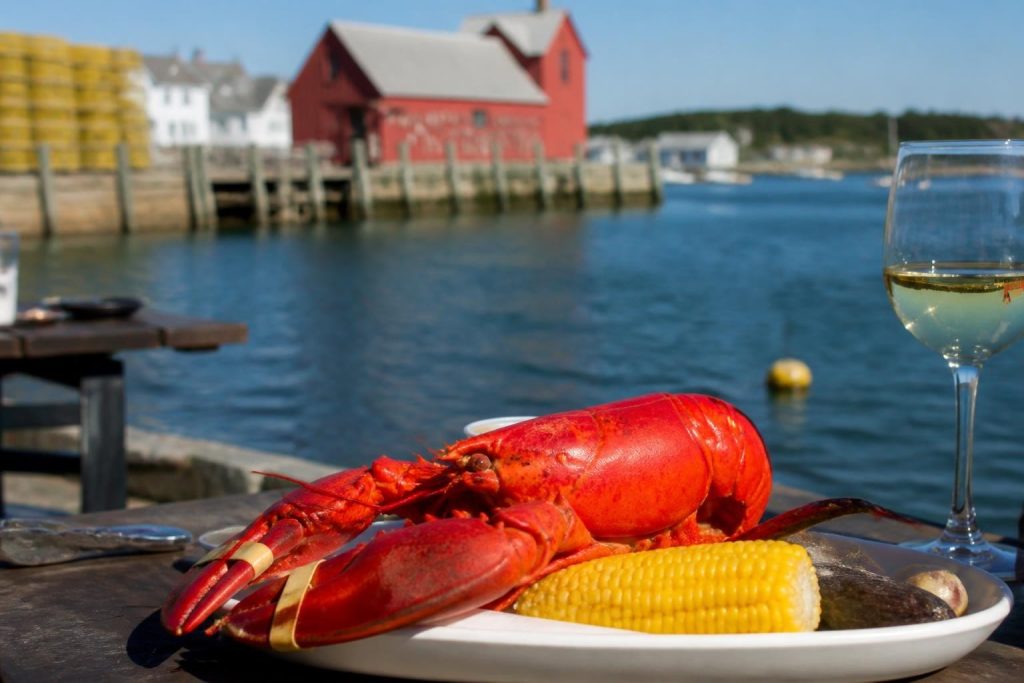
Finding the best Maine lobster in Maine is more than a culinary quest-it's an essential part of experiencing the authentic coastal culture that defines this northeastern treasure. Whether you're drawn to rustic lobster pounds where locals gather, upscale restaurants with ocean views, or family-run shacks serving rolls that have perfected their recipes over generations, Maine's lobster scene offers something for every palate and budget. The state's lobster industry has sustained communities for over a century, creating a food culture that values freshness, tradition, and the simple pleasure of cracking open a perfectly steamed lobster while overlooking the Atlantic. Click here to view our official visitors guide.
Understanding What Makes Maine Lobster Superior
Maine lobster earns its reputation through several distinct factors that separate it from other varieties available worldwide. The cold, clean waters of the Gulf of Maine create ideal conditions for lobster growth, resulting in firmer, sweeter meat with a more delicate texture than warm-water alternatives.
Key characteristics that define authentic Maine lobster:
- Cold-water habitat produces denser, more flavorful meat
- Strict harvesting regulations ensure sustainable populations
- Traditional trapping methods preserve quality and ecosystem health
- Shorter supply chain means fresher product reaches your plate
- Hard-shell versus soft-shell seasonal variations offer different eating experiences
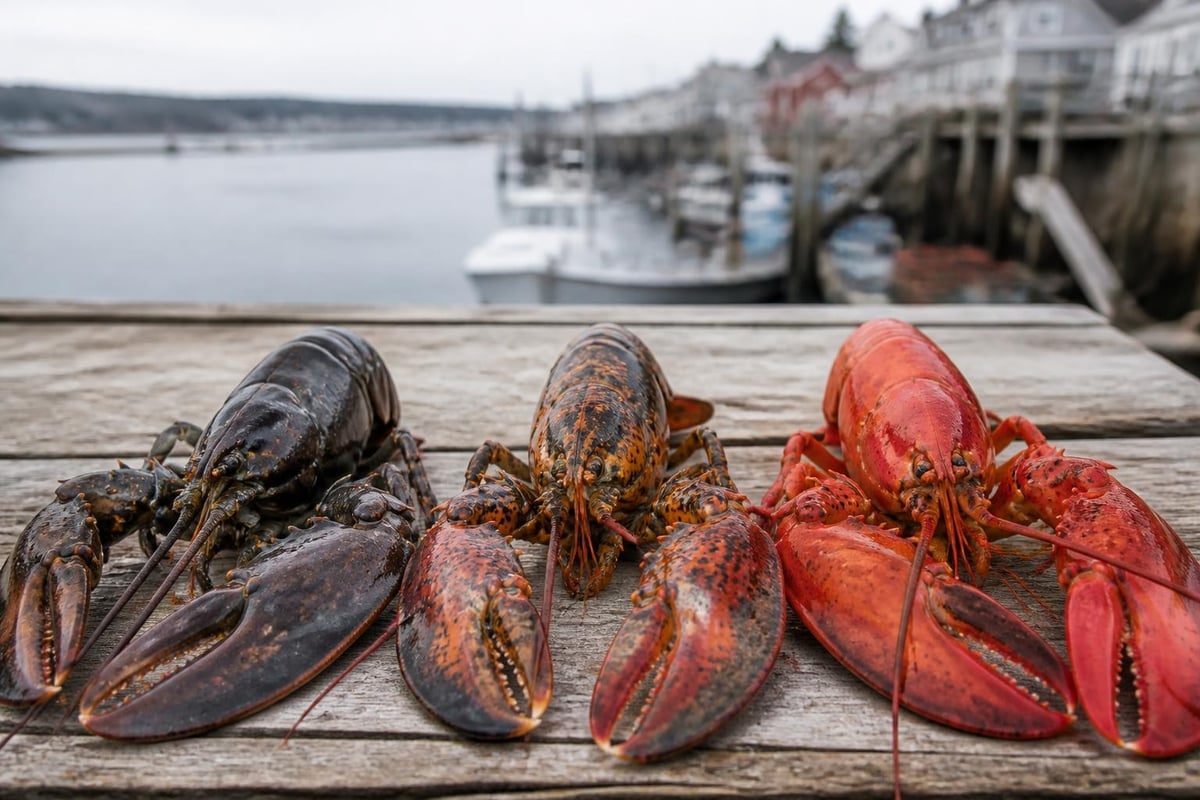
The distinction between hard-shell and soft-shell lobsters matters significantly for diners. Hard-shell lobsters, available primarily from late fall through early spring, contain more meat and ship better, making them the preferred choice for many restaurants. Soft-shell lobsters, which appear after the summer molt, offer sweeter, more tender meat but contain less of it and require careful handling.
Seasonal Considerations for Peak Freshness
Timing your lobster feast can dramatically affect your experience. While you'll find lobster available year-round in Maine, understanding the seasonal cycles helps you make informed choices about when and where to dine.
| Season | Shell Type | Meat Content | Price Point | Best For |
|---|---|---|---|---|
| Summer (June-August) | Soft-shell | Lower yield | Most affordable | Casual dining, volume |
| Fall (September-November) | Transitional | Increasing | Moderate | Balanced experience |
| Winter (December-March) | Hard-shell | Highest yield | Premium | Special occasions, shipping |
| Spring (April-May) | Hard-shell | High yield | Moderate-high | Quality dining |
Classic Lobster Pounds: Where Tradition Meets Flavor
Lobster pounds represent the most authentic way to experience Maine's lobster culture. These establishments, often family-owned for multiple generations, combine fresh seafood markets with casual dining areas where you can enjoy lobster prepared simply and served with minimal fuss. The best Maine lobster in Maine frequently comes from these unpretentious venues where the focus remains squarely on product quality rather than elaborate presentations.
Traditional pounds typically source their lobster directly from local fishermen, sometimes maintaining holding tanks right on the premises. This direct relationship ensures maximum freshness and supports the local fishing economy that defines coastal communities. Many pounds operate seasonally, opening in late spring and closing after fall foliage season, though some year-round operations serve dedicated locals through the winter months.
What to expect at a traditional lobster pound:
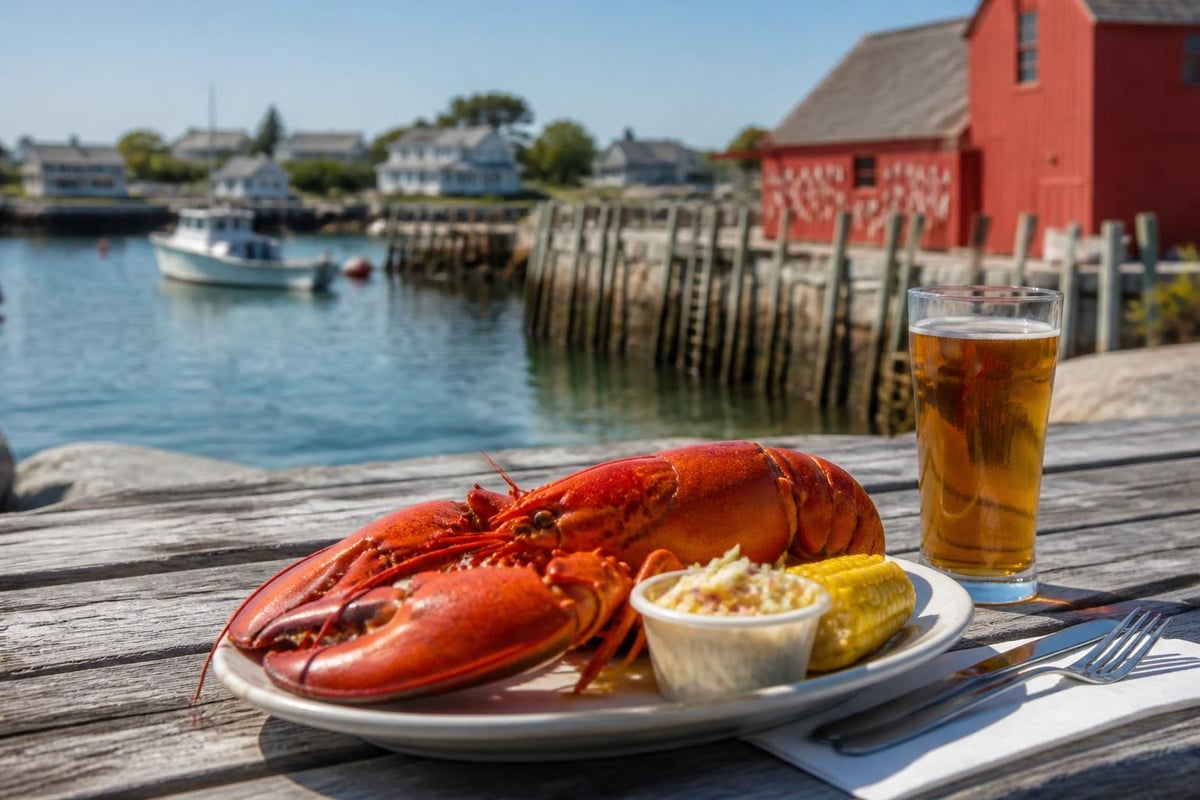
- Picnic table seating, often outdoors with water views
- Simple menu focused on steamed lobster, clams, and corn
- BYOB policies at many locations
- Casual dress code and family-friendly atmosphere
- Cash-only payment at some establishments
The experience at lobster pounds across Maine varies from bare-bones operations serving food on paper plates to slightly more refined venues offering indoor seating and full bar service. Regardless of the amenities, the common thread remains the commitment to serving the freshest possible lobster with minimal processing.
Regional Hotspots Along the Maine Coast
Different coastal regions in Maine offer distinct lobster dining experiences shaped by local fishing traditions, tourist patterns, and community character. Understanding these regional differences helps you plan your lobster adventures more strategically.
Southern Maine Beaches Region
The southern coastal area, stretching from Kittery to Cape Elizabeth, provides easy access for visitors traveling from Boston and other New England cities. This accessibility has created a competitive dining scene where traditional pounds coexist with innovative restaurants reimagining lobster preparations.
The region's proximity to Portland adds culinary sophistication, with chefs incorporating Maine lobster into creative dishes that go beyond traditional preparations. However, purists will still find plenty of classic lobster shacks serving the simple steamed dinners and rolls that have defined Maine seafood for generations.
For comprehensive information about dining options throughout this area, check out the Dining Guide by Town, which breaks down restaurant choices by specific communities along the southern coast.
Mid-Coast Maine
The Mid-Coast region, encompassing towns like Rockland, Camden, and Bath, represents the heart of Maine's lobster industry. This area combines active fishing harbors with tourism infrastructure, creating an environment where authenticity and visitor services merge seamlessly. Several standout lobster shacks in Maine’s Mid-Coast have earned national recognition for their commitment to quality and tradition.
Mid-Coast pounds often operate in converted fishing shacks or purpose-built structures that prioritize function over form. The focus here remains firmly on the lobster itself, with many establishments offering little beyond steamed lobster, drawn butter, and basic sides.
Downeast Maine
Traveling northeast beyond Mount Desert Island, the Downeast region offers the most remote and authentic lobster experiences. Tourism thins considerably here, meaning the pounds and shacks serve primarily local populations with deep roots in the fishing industry.
Prices often drop in this region, and the lobster comes as fresh as possible-sometimes pulled from traps that very morning. The trade-off comes in reduced amenities and longer travel times, but for those seeking the best Maine lobster in Maine without tourist crowds, Downeast delivers.
Lobster Rolls: The Ultimate Maine Debate
No discussion of Maine lobster is complete without addressing the lobster roll, perhaps the most contentious topic in the state's food culture. The fundamental question divides loyalists into two camps: cold lobster salad with mayonnaise versus warm lobster with butter.
Traditional Maine-Style (Cold):
- Lobster meat mixed with light mayonnaise
- Served chilled or at room temperature
- Often includes celery for crunch
- Typically served on a toasted hot dog bun
- Represents the classic New England approach
Connecticut-Style (Warm):
- Warm lobster meat tossed in melted butter
- No mayonnaise or additional ingredients
- Served immediately on a toasted bun
- Emphasizes pure lobster flavor
- Increasingly popular at Maine establishments
Expert rankings of the best lobster roll in Maine showcase eighteen exceptional options across both styles, demonstrating that quality execution matters more than strict adherence to one tradition. The best establishments focus on generous portions of fresh, properly cooked lobster meat regardless of preparation style.
What Makes an Exceptional Lobster Roll
Beyond the mayo-versus-butter debate, several factors separate memorable lobster rolls from mediocre ones. The best examples share common characteristics that elevate them above competitors.
Quality lobster rolls start with freshly picked meat, ideally from lobsters cooked that day. The meat should show primarily knuckle and claw pieces, which offer superior flavor and texture compared to tail meat alone. Proper seasoning enhances rather than masks the natural sweetness, and the lobster-to-bun ratio should favor the seafood dramatically.
The bun itself requires attention-traditional top-split hot dog buns toasted with butter create the classic texture contrast that defines the Maine lobster roll experience. Some innovative venues experiment with brioche or other bread varieties, which can work well when executed thoughtfully but risk overwhelming the delicate lobster flavor.
Hidden Gems and Local Favorites
While well-known establishments deservedly attract attention, some of the best Maine lobster in Maine comes from under-the-radar spots that locals guard jealously. These hidden gems typically lack extensive marketing budgets and online presence, relying instead on word-of-mouth recommendations and repeat customers.
Finding these treasures requires talking to locals, exploring small coastal towns beyond major tourist destinations, and being willing to follow hand-painted signs down gravel roads to weathered buildings overlooking working harbors. The rewards include lower prices, minimal crowds, and lobster that's often fresher than what larger operations can provide.
Characteristics of undiscovered lobster spots:
- Located in residential areas rather than commercial districts
- Limited hours, often only open during peak season
- Simple menus with few options beyond lobster basics
- Family operations running for decades
- No websites or minimal social media presence
These establishments often close unexpectedly due to weather, supply issues, or simply because the owner decided to take a day off. This unpredictability frustrates some visitors but adds to the authentic experience for others who appreciate that these businesses operate on their own terms rather than conforming to tourist expectations.
Upscale Lobster Dining Experiences
While casual pounds and shacks define traditional Maine lobster culture, sophisticated restaurants along the coast have elevated lobster to fine dining status. These establishments prepare Maine lobster using refined techniques that showcase the ingredient's versatility while maintaining respect for its inherent quality.
Upscale venues might serve lobster in creative preparations like risotto, pasta, bisque, or alongside other premium ingredients like truffle or caviar. Tasting menus at top restaurants often feature multiple lobster courses highlighting different cooking methods and flavor combinations. These dining experiences carry premium prices but offer culinary artistry that transforms familiar ingredients into memorable occasions.
The diverse culinary experiences available across Maine demonstrate that lobster adapts successfully to both rustic simplicity and refined elegance. Your choice between casual and upscale depends on the experience you're seeking and your budget, but both approaches can deliver exceptional quality when executed properly.
Ordering Lobster for Home Preparation
For those who can't travel to Maine or want to recreate the experience at home, ordering live lobster through reputable shippers has become increasingly practical. Modern logistics allow fresh Maine lobster to reach destinations across the country in excellent condition, though success requires choosing reliable suppliers and following proper handling procedures.
The best Maine seafood shippers pack lobsters in insulated containers with gel packs, ensuring they arrive alive and healthy. Orders typically ship overnight, arriving the next day for immediate cooking. Most companies guarantee live arrival and offer replacements for any lobsters that don't survive transit.
Preparing Fresh Lobster at Home
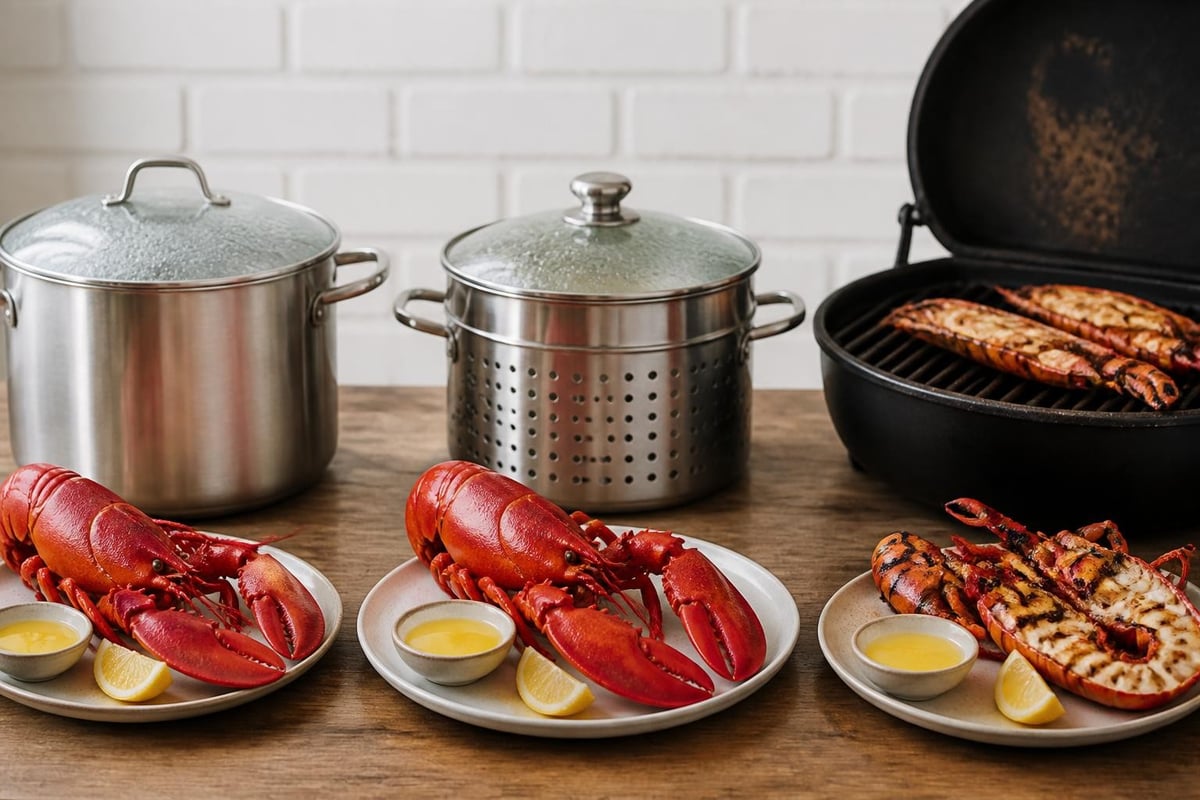
Cooking lobster at home intimidates many people, but the process is straightforward when you follow basic guidelines. The two primary methods-steaming and boiling-each have advocates, though steaming typically produces slightly better flavor and texture.
| Method | Cook Time (1.5 lb) | Water Amount | Advantages | Considerations |
|---|---|---|---|---|
| Steaming | 12-15 minutes | 2 inches | Better flavor retention | Requires large pot with tight lid |
| Boiling | 10-12 minutes | Full pot | Faster, more traditional | Can waterlog meat slightly |
| Grilling | 8-10 minutes | N/A | Smoky flavor, dramatic presentation | Requires skill, can dry out |
| Baking | 15-18 minutes | N/A | Even cooking, good for stuffed | Less traditional |
Always start timing when the water returns to a boil after adding lobsters. Overcooking creates tough, rubbery meat, so err on the side of slightly undercooking rather than overdoing it. The meat should be opaque white with no translucent areas, and internal temperature should reach 140°F for food safety.
Sustainability and the Future of Maine Lobster
The Maine lobster industry faces evolving challenges that impact availability, pricing, and the long-term viability of this iconic fishery. Understanding these issues provides context for appreciating the lobster on your plate and the communities that depend on this resource.
Recent years have seen declining lobster catches attributed to warming ocean temperatures, changing ecosystems, and economic pressures on fishing families. These trends concern scientists, fishermen, and regulators who work to balance sustainable harvesting with economic needs.
Current challenges facing Maine's lobster industry:
- Climate change affecting water temperatures and lobster migration patterns
- Regulatory pressures related to whale protection measures
- Rising fuel and equipment costs reducing profit margins
- Generational transitions as younger people pursue other careers
- Competition from Canadian fisheries
Despite these challenges, Maine's lobster fishery remains one of the best-managed in the world, with strict regulations protecting breeding females, enforcing size limits, and preventing overfishing. These conservation measures have sustained the fishery through decades when other fisheries collapsed, offering hope that Maine lobster will remain available for future generations.
Tips for First-Time Lobster Eaters
Tackling a whole steamed lobster can intimidate newcomers unfamiliar with the process. However, the experience becomes enjoyable rather than stressful when you understand basic techniques and embrace the messy, hands-on nature of the meal.
Most lobster pounds provide basic tools: nutcrackers for claws, small forks for extracting meat, and bibs to protect your clothing. Don't hesitate to ask staff for guidance-they've seen countless first-timers and usually offer cheerful assistance. Watching experienced diners at nearby tables also provides helpful visual instruction.
Step-by-step approach for eating whole lobster:
- Twist off the claws and knuckles, setting them aside
- Separate the tail from the body by bending backward
- Push tail meat out in one piece from the back end
- Crack claws with nutcracker and extract large meat pieces
- Pull apart knuckles and use small fork to extract meat
- Consider trying the tomalley (green liver) if adventurous
- Explore the body cavity for small meat pockets between legs
The traditional accompaniments-drawn butter, lemon wedges, and corn on the cob-complement rather than compete with lobster's natural sweetness. Some diners prefer eating lobster without butter to appreciate its pure flavor, while others embrace the rich indulgence of butter-dipped bites.
Planning Your Maine Lobster Adventure
Maximizing your search for the best Maine lobster in Maine requires strategic planning that considers location, timing, budget, and personal preferences. A well-planned lobster tour can become a highlight of your Maine visit, creating memories that extend beyond simple dining.
Start by identifying your preferred region based on other activities you want to combine with lobster dining. The southern beaches offer proximity to urban amenities and diverse attractions, while Mid-Coast and Downeast regions provide more isolated, authentic experiences. Exploring top destinations helps you understand what each area offers beyond lobster.
Consider allocating multiple lobster meals to sample different styles and establishments rather than putting all expectations on a single experience. Try a casual pound for lunch, then a more refined restaurant for dinner, or alternate between lobster rolls and whole lobster dinners to appreciate the ingredient's versatility.
Budget appropriately, as lobster prices fluctuate based on season, location, and preparation style. A basic lobster roll might cost fifteen to thirty dollars depending on location, while whole lobster dinners range from market price for a pound-and-a-quarter to significantly more for larger specimens or upscale preparations. Many establishments post daily prices based on market conditions.
Beyond the Plate: Lobster Culture and Heritage
Understanding Maine's lobster heritage enriches the dining experience by connecting you to the communities, traditions, and individuals who sustain this industry. The culture extends beyond restaurants to encompass fishing families, boat builders, trap makers, and countless others whose livelihoods depend on healthy lobster populations.
Stories like that of Virginia Oliver, Maine’s “lobster lady”, who worked in the industry into her hundreds, illustrate the deep generational connections that define coastal Maine communities. These fishing families have refined their craft over lifetimes, developing intimate knowledge of local waters, seasonal patterns, and sustainable practices that books cannot teach.
Visiting working harbors in the early morning reveals the industry's reality beyond tourist experiences. Watching lobster boats return with their catch, observing the sorting and banding process, and talking with fishermen provides perspective that transforms lobster from a menu item into a connection with real people and their heritage.
Many coastal towns host lobster festivals celebrating this cultural icon through cooking competitions, eating contests, live music, and community gatherings. These events, typically held during summer months, offer immersive experiences combining food, education, and entertainment while supporting local organizations and causes.
Finding the best Maine lobster in Maine combines culinary adventure with cultural exploration, creating experiences that satisfy both appetite and curiosity about this iconic coastal region. Whether you prefer classic lobster pounds, creative restaurant preparations, or preparing fresh lobster at home, Maine offers unmatched quality and authenticity that justify its reputation as the lobster capital of the world. The Maine Beaches provides comprehensive resources to help you plan your perfect coastal visit, from discovering hidden dining gems to exploring the natural beauty and cultural attractions that make this region unforgettable. Start planning your lobster adventure today and experience firsthand why Maine's lobster culture continues to captivate visitors generation after generation.