
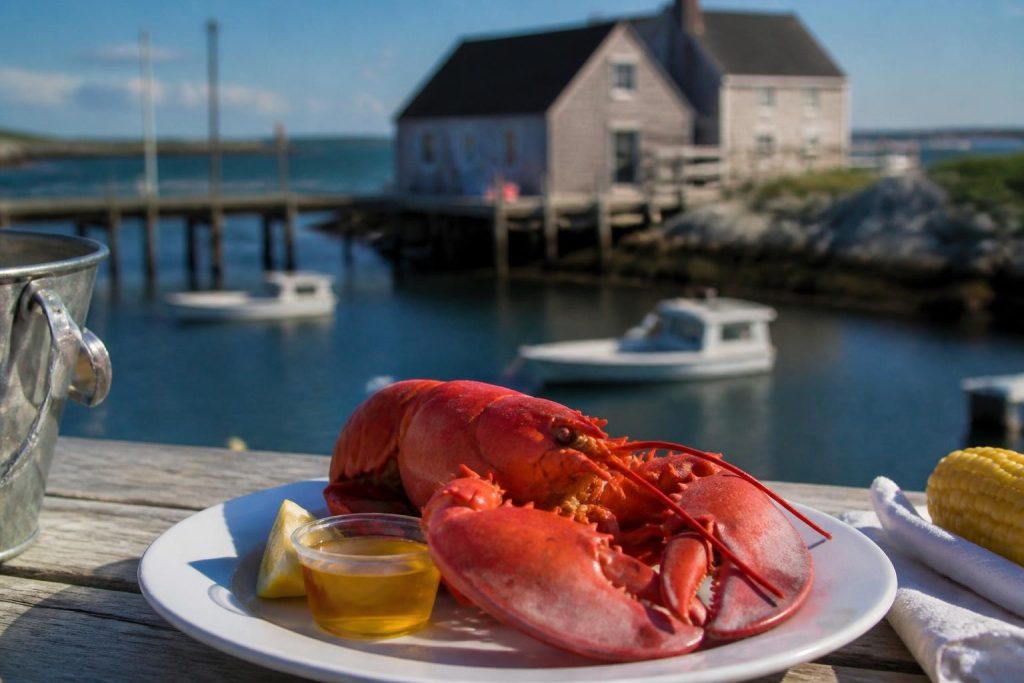
Finding the best place for Maine lobster is a quest that brings food lovers to the rugged coastline of Maine year after year. The state's lobster industry represents not just a culinary tradition, but a way of life that has shaped coastal communities for generations. With lobster pounds, upscale restaurants, and casual shacks dotting the shoreline from Kittery to Portland, visitors face an abundance of choices when seeking the perfect lobster experience. Understanding what makes each location unique helps you choose the dining experience that best matches your preferences, whether you're looking for ocean views, traditional preparation methods, or innovative culinary approaches.
Understanding Maine's Lobster Industry
The foundation of finding the best place for Maine lobster starts with understanding the industry itself. According to the Maine Department of Marine Resources, Maine lobster fishing represents one of the most sustainable and well-managed fisheries in the world. The state's cold, clean waters create ideal conditions for lobsters to develop their distinctive sweet flavor and tender meat.
Maine's lobster industry by the numbers:
- Over 4,500 licensed lobster fishermen
- More than 3 million lobster traps in operation
- Approximately 100 million pounds of lobster harvested annually
- Economic impact exceeding $600 million in 2025
The state's commitment to sustainable practices ensures that visitors can enjoy high-quality lobster while supporting responsible fishing methods. This dedication to quality control means that whether you're dining at a rustic lobster pound or an upscale restaurant, you're experiencing lobster caught using traditional methods that have been refined over centuries.
Classic Lobster Pounds and Shacks
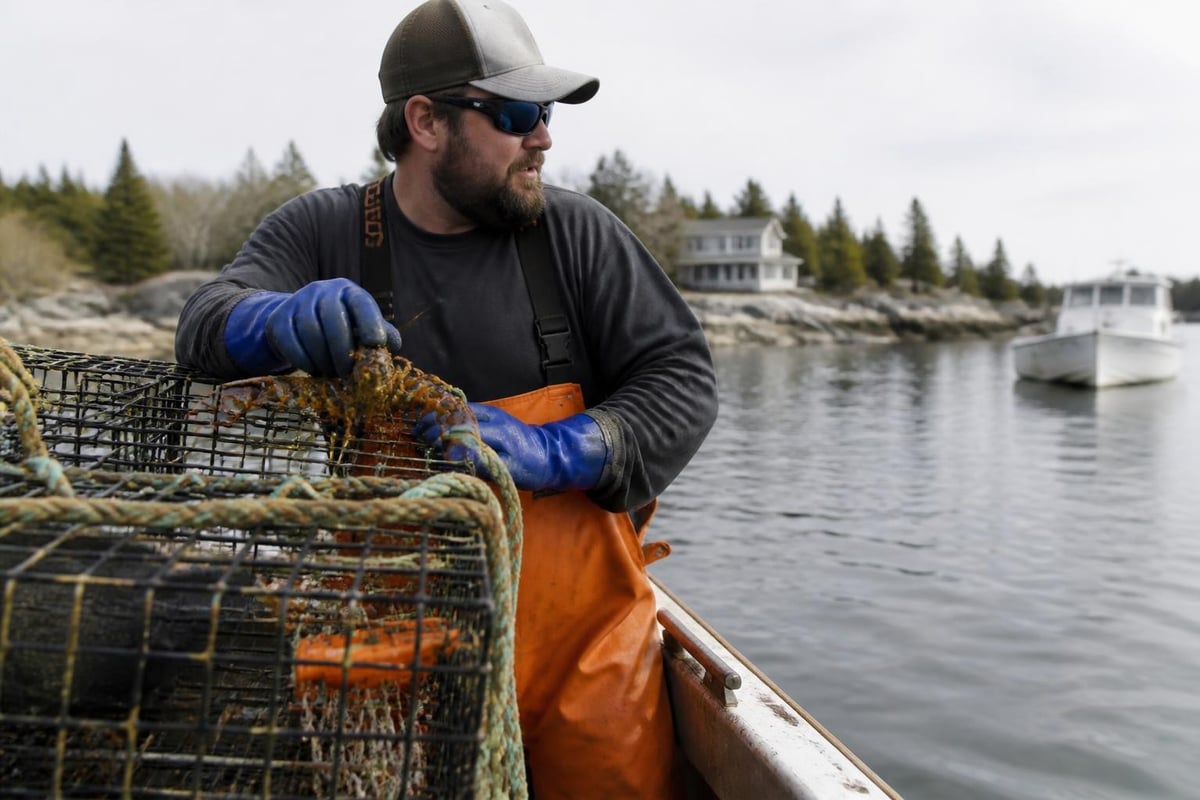
Traditional lobster pounds represent the most authentic way to experience Maine lobster. These casual, often family-run establishments source their lobster directly from local fishermen, sometimes pulling your dinner from their own holding tanks just before cooking.
What Makes Lobster Pounds Special
The appeal of lobster pounds extends beyond just the food. These establishments offer an immersive experience where you can:
- Watch lobsters being selected and prepared
- Enjoy waterfront views while dining
- Experience casual, communal dining atmospheres
- Get exceptional value for fresh-caught lobster
- Meet local fishermen and learn about their trade
The traditional preparation methods at lobster pounds typically involve steaming or boiling in seawater, which enhances the natural sweetness of the meat. Many pounds serve lobster with minimal accompaniments, allowing the quality of the seafood to shine through.
| Lobster Pound Features | What to Expect | Best For |
|---|---|---|
| Casual atmosphere | Picnic tables, paper plates | Families, authentic experience |
| Direct sourcing | Fresh from holding tanks | Quality-conscious diners |
| Waterfront location | Ocean or harbor views | Scenic dining |
| Traditional cooking | Steamed or boiled | Classic preparation |
Selecting the Right Lobster Pound
When choosing among lobster pounds, consider proximity to active harbors. Establishments located near working waterfronts often have the freshest selection, as fishermen deliver their catch multiple times daily. The best place for Maine lobster often features holding tanks visible to diners, demonstrating transparency about freshness and quality.
Upscale Restaurant Experiences
While traditional lobster pounds offer authenticity, upscale restaurants provide innovative interpretations of Maine lobster. These establishments elevate lobster from casual dining to fine cuisine, incorporating it into dishes that showcase culinary creativity while respecting the ingredient's natural qualities.
Contemporary Lobster Preparations
Modern restaurants transform lobster through:
- Lobster risotto with seasonal vegetables and herbs
- Pan-seared lobster tail with butter sauces
- Lobster bisque featuring rich, complex flavors
- Lobster rolls with unique ingredient combinations
- Grilled lobster with international flavor profiles
These upscale venues often partner with specific fishermen, establishing relationships that guarantee consistent quality and supporting the local economy. The guide to dining options in the Maine beaches region showcases many establishments that have built their reputations on such partnerships.
The wine pairings, ambiance, and service at upscale restaurants create memorable dining experiences that complement the exceptional seafood. Chefs at these establishments receive extensive training in lobster preparation, understanding how different cooking techniques affect texture and flavor.
Coastal Towns and Their Lobster Offerings
Different coastal communities have developed distinct lobster dining cultures. Each town brings its own character to the lobster experience, influenced by local history, geography, and culinary traditions.
Southern Maine's Lobster Scene
The southern Maine coast, stretching from Kittery through York and Ogunquit to Wells, offers concentrated access to exceptional lobster dining. This region benefits from proximity to productive fishing grounds and a well-developed culinary infrastructure.
Advantages of southern Maine locations:
- Multiple dining options within short distances
- Mix of traditional and contemporary establishments
- Strong competition drives quality and value
- Easy accessibility for visitors
- Year-round dining availability at many locations
The density of quality establishments means visitors can sample different preparation styles and atmospheres during a single trip. According to Rough Guides, this region features some of the most celebrated lobster destinations in the state.
Portland's Culinary Innovation
Portland has emerged as a culinary destination where traditional lobster preparations meet cutting-edge techniques. The city's restaurant scene attracts chefs committed to showcasing Maine ingredients through both classic and innovative approaches.
The Old Port district concentrates numerous lobster-focused restaurants within a walkable area. This density creates a vibrant dining culture where establishments compete through quality and creativity rather than price alone.
Seasonal Considerations for Lobster Dining
Timing your visit affects both the quality and price of lobster. Understanding seasonal variations helps you plan the optimal lobster dining experience.
Peak Season Advantages
Summer months (June through August) represent peak tourist season, but they also coincide with abundant lobster catches. During this period:
- Supply increases, often lowering prices
- All seasonal establishments are operating
- Weather permits outdoor dining at waterfront locations
- Lobster boats are most active, ensuring freshness
However, shoulder seasons (May and September-October) offer distinct advantages. The decline in lobster landings in recent years has made seasonal timing more important for finding the best prices and selection.
| Season | Lobster Availability | Crowd Levels | Price Point |
|---|---|---|---|
| Spring (May-June) | Increasing | Moderate | Moderate |
| Summer (July-August) | Peak | High | Variable |
| Fall (September-October) | Good | Moderate | Good value |
| Winter (November-April) | Limited | Low | Higher |
Winter Lobster Dining
While many seasonal establishments close during winter months, year-round restaurants continue serving excellent lobster. Winter lobster, though less abundant, often features harder shells and fuller meat content. Serious lobster enthusiasts sometimes prefer winter dining for this reason, despite higher prices reflecting reduced catch volumes.
Evaluating Lobster Quality and Freshness
The best place for Maine lobster prioritizes freshness above all other factors. Knowing how to assess quality helps you identify establishments committed to excellence.
Signs of Fresh Lobster
Visual and sensory indicators include:
- Active movement in holding tanks
- Hard shells indicating recent molting completion
- Bright color and clear eyes
- Sweet ocean scent without fishy odors
- Firm, translucent meat after cooking
Reputable establishments display their lobsters prominently, inviting customers to observe the selection process. This transparency demonstrates confidence in their sourcing practices and storage conditions.
Asking the Right Questions
Don't hesitate to inquire about lobster sourcing. Quality establishments welcome questions about:
- When the lobster was caught
- Which local waters it came from
- How long it's been in holding tanks
- Whether they offer different sizes and grades
- Their preparation and cooking methods
Knowledgeable staff who can answer these questions indicate an establishment that takes lobster seriously. The Maine lobster industry has long traditions of transparency that reputable restaurants honor.
Preparation Methods and Their Impact
How lobster is prepared dramatically affects the final dining experience. Understanding different methods helps you choose preparations that match your preferences.
Traditional Steaming and Boiling
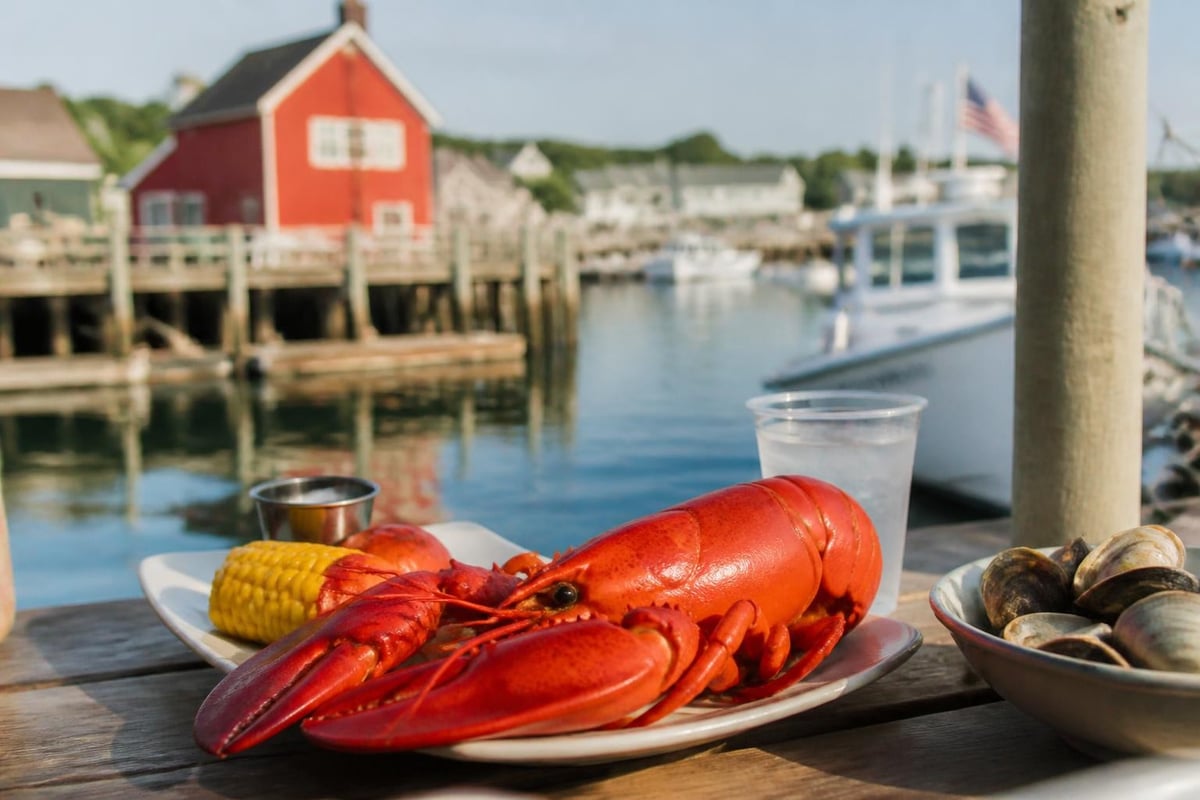
The most common preparations involve cooking lobster in its shell. Steaming uses indirect heat, producing slightly more tender meat, while boiling in seawater enhances natural salinity. Both methods preserve the lobster's essential character.
Classic accompaniments include:
- Drawn butter for dipping
- Lemon wedges for brightness
- Corn on the cob and potatoes
- Coleslaw for textural contrast
- Clam chowder as a starter
These simple preparations allow the lobster's natural sweetness to dominate the flavor profile. The best place for Maine lobster using these methods focuses on precise timing to avoid overcooking, which toughens the meat.
Contemporary Cooking Techniques
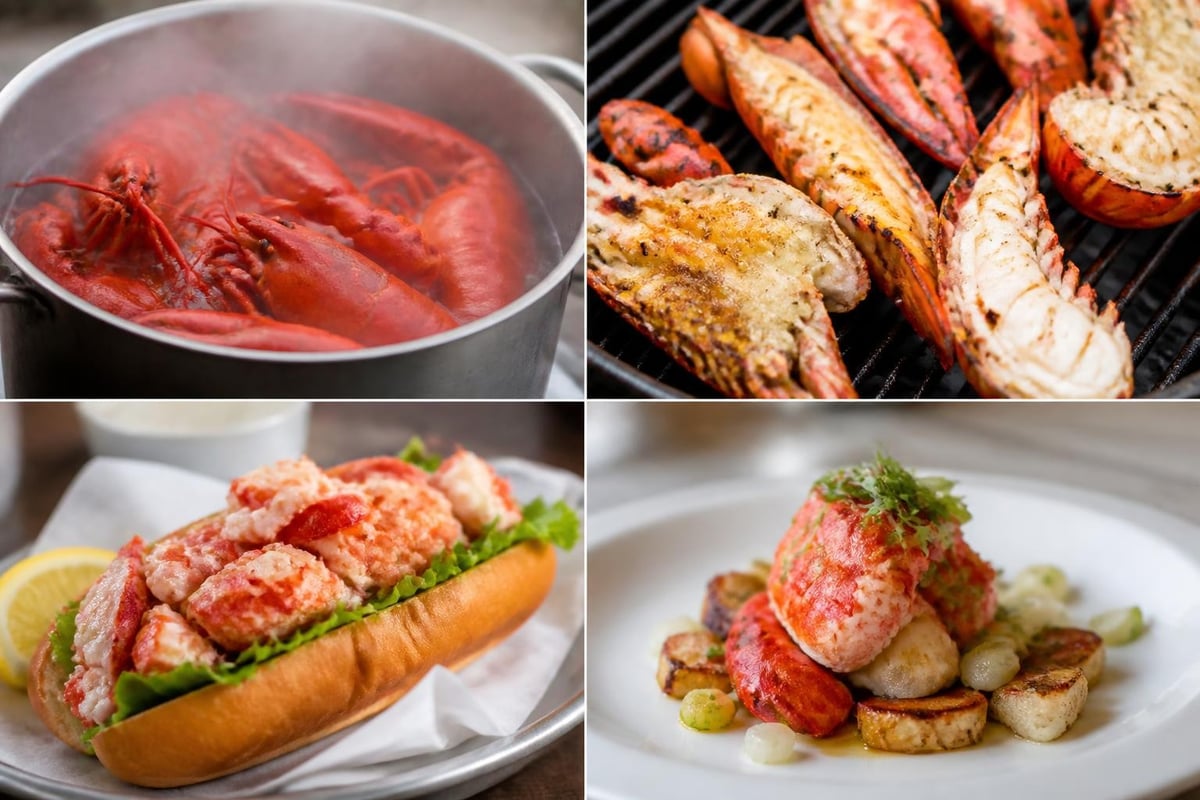
Modern chefs employ various techniques to highlight different aspects of lobster:
- Grilling adds smoky notes and caramelization
- Poaching in butter creates luxurious tenderness
- Pan-searing develops a golden crust on tail meat
- Raw preparations showcase delicate sweetness
- Smoking introduces complex flavor layers
Each method requires specific expertise. Restaurants specializing in these preparations often feature chefs with advanced culinary training who understand how heat and timing affect lobster's delicate proteins.
The Lobster Roll Debate
No discussion of the best place for Maine lobster is complete without addressing lobster rolls. This iconic dish sparks passionate debates about proper preparation, with regional variations reflecting different philosophies.
Maine-Style vs. Connecticut-Style
Maine-style lobster rolls feature cold lobster meat lightly dressed with mayonnaise, served in a toasted, split-top bun. This preparation emphasizes the lobster's natural sweetness and tender texture.
Connecticut-style presents warm lobster meat tossed with drawn butter, also in a toasted bun. The warm preparation highlights the lobster's richness and creates a more indulgent experience.
| Style | Temperature | Dressing | Characteristics |
|---|---|---|---|
| Maine | Cold | Light mayo | Refreshing, sweet |
| Connecticut | Warm | Drawn butter | Rich, indulgent |
Finding Exceptional Lobster Rolls
The best lobster rolls share common characteristics regardless of style:
- Generous portions of claw and knuckle meat
- Minimal filler ingredients
- Fresh, soft buns properly toasted
- Balanced seasoning that doesn't overpower
- Reasonable pricing reflecting actual lobster content
Many establishments offer both styles, allowing diners to experience the full spectrum of lobster roll traditions. Some of the most celebrated versions come from unassuming roadside stands that have perfected their recipes over decades.
Supporting Sustainable Lobster Practices
Choosing where to enjoy lobster carries environmental implications. The best establishments partner with fishermen who follow sustainable practices, ensuring future generations can enjoy Maine lobster.
What Sustainable Lobster Fishing Involves
Maine's lobster industry has implemented comprehensive conservation measures:
- Size limits protect breeding populations
- V-notching identifies breeding females for release
- Biodegradable escape vents reduce bycatch
- Seasonal closures protect vulnerable periods
- Limited entry licensing prevents overfishing
Restaurants committed to sustainability often display information about their sourcing practices, educating diners about the importance of responsible fishing. The 2025 Lobster Industry Survey shows industry commitment to these practices.
Choosing Environmentally Responsible Restaurants
Look for establishments that:
- Source from certified sustainable fisheries
- Highlight relationships with specific fishermen
- Educate staff about lobster conservation
- Use whole lobsters rather than just tails
- Support local fishing communities through fair pricing
These practices ensure that your lobster dinner contributes to a sustainable industry rather than depleting marine resources.
Price and Value Considerations
Understanding lobster pricing helps you find the best value for your dining dollar. Prices fluctuate based on multiple factors, and knowing what influences cost allows for informed decisions.
Factors Affecting Lobster Prices
Primary price drivers include:
- Seasonal catch volumes
- Weather conditions affecting fishing
- Market demand from tourists and locals
- Size and grade of lobster
- Restaurant overhead and location
The challenges facing the lobster industry, including climate change and economic pressures, have created more price volatility in recent years. Staying informed about these trends helps set realistic expectations.
Getting the Best Value
Value doesn't always mean the lowest price. Consider the complete experience when evaluating cost:
- Portion sizes vary significantly between establishments
- Quality of preparation justifies price differences
- Atmosphere and service add value beyond food
- Location and views contribute to overall experience
- Accompaniments and sides affect total value
Sometimes a slightly higher price at an exceptional establishment delivers better overall value than a bargain meal at a mediocre location. The best place for Maine lobster balances quality, atmosphere, and reasonable pricing.
Making Your Choice
Ultimately, the best place for Maine lobster depends on your personal priorities. A family seeking authentic atmosphere might prefer a casual lobster pound with picnic tables overlooking a working harbor. Couples celebrating special occasions might choose upscale restaurants offering refined preparations and elegant ambiance.
Creating Your Ideal Experience
Consider these questions when planning your lobster dining:
- Do you prefer casual or formal dining?
- Is waterfront atmosphere important?
- Are you interested in traditional or innovative preparations?
- What's your budget for the meal?
- Will you be dining with children or in an adult group?
The diversity of Maine's lobster dining scene ensures that whatever your preferences, you'll find establishments that meet your needs. Exploring multiple venues during your visit allows you to experience different facets of Maine's lobster culture.
The southern Maine coast offers particularly convenient access to varied lobster dining options, making it possible to sample different styles and atmospheres without extensive travel. Planning ahead and researching options helps maximize your lobster dining experience while supporting the local communities that depend on this iconic industry.
Finding the best place for Maine lobster enriches any visit to the state's beautiful coastline, combining exceptional food with authentic cultural experiences. Whether you prefer the casual charm of traditional lobster pounds or the refined elegance of upscale restaurants, Maine's diverse dining scene offers something for every taste and budget. Ready to plan your perfect Maine lobster adventure? The Maine Beaches provides comprehensive guides to coastal destinations, dining options, and local attractions that help you make the most of your visit to this spectacular region.