

The rugged beauty of Maine’s coastline offers some of the most spectacular camping experiences in the northeastern United States. From oceanfront campgrounds where you wake to crashing waves to secluded backcountry sites tucked along dramatic cliffs, camping coastal Maine delivers unforgettable outdoor adventures. Whether you’re planning a family vacation, a romantic getaway, or a solo exploration of nature, the Pine Tree State’s 3,500 miles of coastline provides diverse camping opportunities that cater to every skill level and preference.
Click here to view our official visitors guide.
Understanding Maine’s Coastal Camping Landscape
Maine’s coastal camping scene divides into several distinct categories, each offering unique experiences and amenities. The region stretches from Kittery in the south to Eastport along the Canadian border, encompassing everything from sandy beaches to rocky peninsulas.
The southern coast features developed campgrounds with full hookups and modern amenities, perfect for families seeking comfort while enjoying ocean views. Moving north, the MidCoast region blends accessibility with wilder terrain, while Downeast Maine delivers remote, rugged experiences for adventurous campers.
Types of Coastal Campsites Available
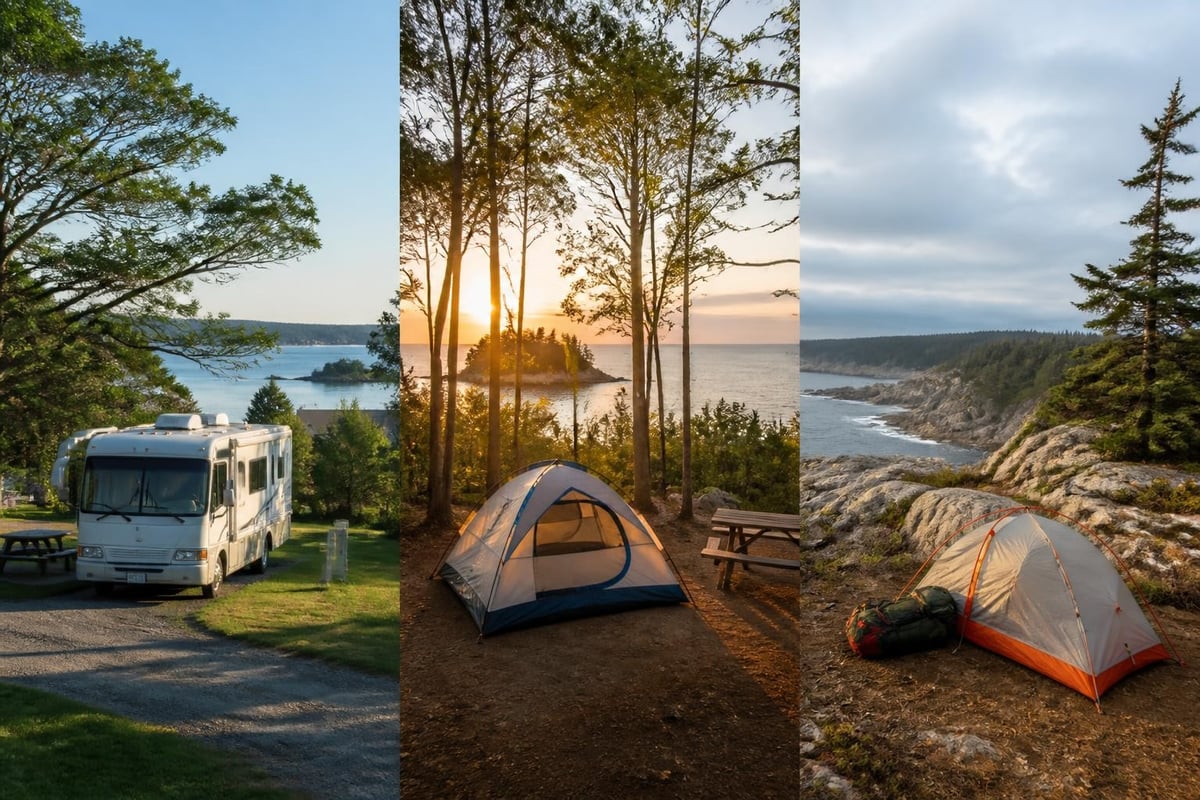
Private Campgrounds typically offer the most amenities, including electric hookups, heated pools, camp stores, and organized activities. These facilities often occupy prime oceanfront real estate and welcome RVs, trailers, and tent campers alike.
State Parks provide a middle ground between convenience and wilderness. Maine operates numerous coastal parks with established campsites, bathhouses, and ranger services while maintaining natural settings.
Backcountry Options appeal to experienced campers seeking solitude. Backcountry camping opportunities include coastal islands, remote peninsulas, and hiking-accessible sites where you’ll find minimal facilities but maximum natural beauty.
Planning Your Coastal Maine Camping Trip
Timing significantly impacts your camping coastal Maine experience. Summer months from June through August bring warm weather, full campgrounds, and higher prices. This peak season requires reservations made months in advance, especially for oceanfront sites.
Shoulder seasons offer compelling advantages. Spring camping from May to early June features fewer crowds, lower rates, and wildflower blooms, though ocean temperatures remain chilly. Fall camping from September through October delivers spectacular foliage, comfortable temperatures, and excellent hiking conditions.
Reservation Strategies and Timing
Most popular campgrounds open their reservation systems six months to one year ahead. Mark your calendar for reservation opening dates, particularly if you’re targeting holiday weekends or peak summer weeks.
State park reservations typically open in January for the upcoming season. Private campgrounds may accept bookings even earlier. Some facilities hold back a percentage of sites for walk-up campers, but relying on this strategy during summer proves risky.
Consider midweek arrivals rather than Friday check-ins to increase availability and reduce crowds. Many campgrounds offer discounted rates for Sunday through Thursday stays.
|
Season |
Temperature Range |
Advantages |
Considerations |
|---|---|---|---|
|
Spring (May-June) |
50-65°F |
Fewer crowds, lower prices, spring blooms |
Cold ocean water, unpredictable weather |
|
Summer (July-Aug) |
65-80°F |
Warmest weather, full amenities, festival season |
Peak prices, crowded sites, advance booking required |
|
Fall (Sept-Oct) |
50-70°F |
Fall foliage, comfortable temps, reduced crowds |
Shorter days, some facilities close early |
Top Coastal Camping Regions Worth Exploring
Southern Maine Coast
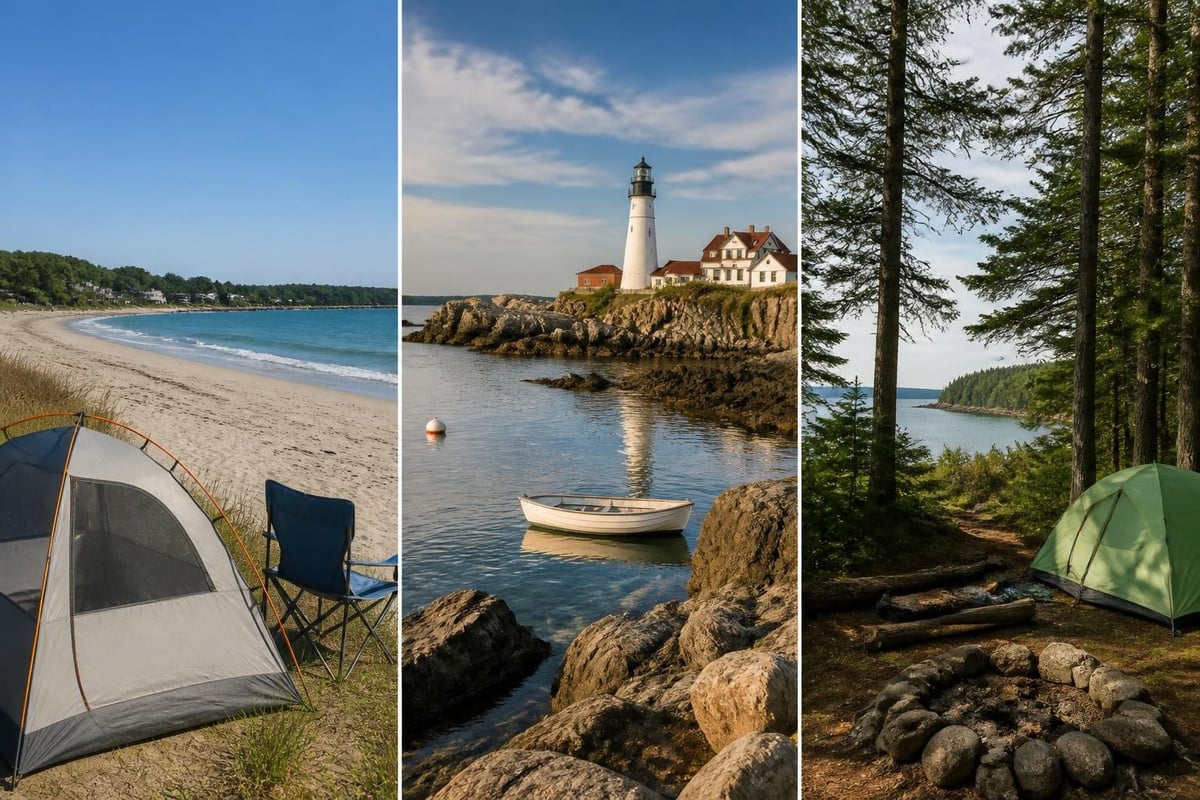
The stretch from Kittery to Portland offers the most developed camping infrastructure. This region features sandy beaches, amusement parks, and easy highway access. Campgrounds here accommodate families seeking convenience alongside coastal beauty.
Old Orchard Beach epitomizes this accessible coastal experience. The area combines classic beach town atmosphere with quality camping options nearby. Shopping, dining, and entertainment remain within easy reach while you maintain your camping base.
MidCoast Region
The MidCoast stretches from Brunswick through Rockland, featuring rocky shorelines, historic harbors, and iconic lighthouses. Camping options in this region blend oceanside sites with forested settings.
This region excels for campers who want to combine beach time with cultural exploration. Historic towns like Camden, Rockport, and Boothbay Harbor offer art galleries, museums, and maritime heritage sites just minutes from campgrounds.
Downeast Coast
Beyond Acadia National Park, the Downeast coast delivers Maine’s most rugged and remote camping experiences. The Cutler Coast Public Land exemplifies this wild character with backcountry sites perched above dramatic cliffs.
This region rewards adventurous campers with unparalleled solitude, pristine wilderness, and some of the earliest sunrises in the United States. Expect minimal facilities, challenging access, and weather that changes rapidly.
Essential Gear for Coastal Camping
Camping coastal Maine requires specialized equipment beyond standard camping gear. Coastal environments present unique challenges including high winds, salt air, dense fog, and temperature swings.
Weather Protection Equipment
Wind-resistant tents form your first line of defense. Coastal breezes strengthen quickly, especially on exposed oceanfront sites. Look for tents rated for three-season use minimum, with robust stake systems and low profiles that shed wind.
Layered clothing handles Maine’s variable coastal weather. Morning fog may keep temperatures in the 50s while afternoon sun pushes into the 70s. Pack moisture-wicking base layers, insulating mid-layers, and waterproof outer shells.
Quality rain gear proves essential even during summer. Coastal weather systems move in rapidly, turning sunny skies gray within hours. Invest in waterproof jackets, pants, and footwear that dry quickly.
Camping Comfort Items
-
Sleeping bags rated for 40°F minimum, even in summer
-
Insulated sleeping pads to buffer ground cold and dampness
-
Camp chairs secured with stakes or weights against wind
-
Tarps for additional weather protection and gear storage
-
Headlamps with red light settings for night beach walks
Making the Most of Coastal Camping Activities
Your camping coastal Maine adventure extends far beyond your campsite. The coast offers exceptional activities that justify the camping experience itself.
Beach and Water Activities
Tide pooling reveals Maine’s incredible marine biodiversity. Time your beach walks for low tide when pools form among rocky outcroppings. You’ll discover starfish, sea urchins, crabs, and colorful anemones in these temporary ecosystems.
Kayaking provides unique coastal perspectives. Many campgrounds offer kayak rentals or nearby launch points. Paddle along protected coves, explore uninhabited islands, and observe seals hauled out on offshore rocks.
Beach combing yields treasures including sea glass, driftwood, and shells. Morning walks after high tides produce the best finds. Respect local regulations regarding what you can collect and always leave live creatures undisturbed.
Hiking and Nature Exploration
Coastal trails range from easy beach walks to challenging cliff-top scrambles. Many state parks feature trail systems connecting campsites to scenic overlooks, beaches, and historic sites.
The Maine Coastal Public Access Guide identifies hundreds of access points where you can explore beaches, launch boats, or simply enjoy ocean views. This resource helps you discover hidden gems beyond your immediate campground.
Lighthouse tours complement coastal camping perfectly. Maine boasts over 60 lighthouses, many accessible from popular camping areas. These historic structures offer photography opportunities and maritime history lessons.
Coastal Camping Regulations and Conservation
Understanding regulations protects both your experience and Maine’s fragile coastal ecosystems. The Maine Coastal Program works to balance public access with environmental protection.
Leave No Trace Principles
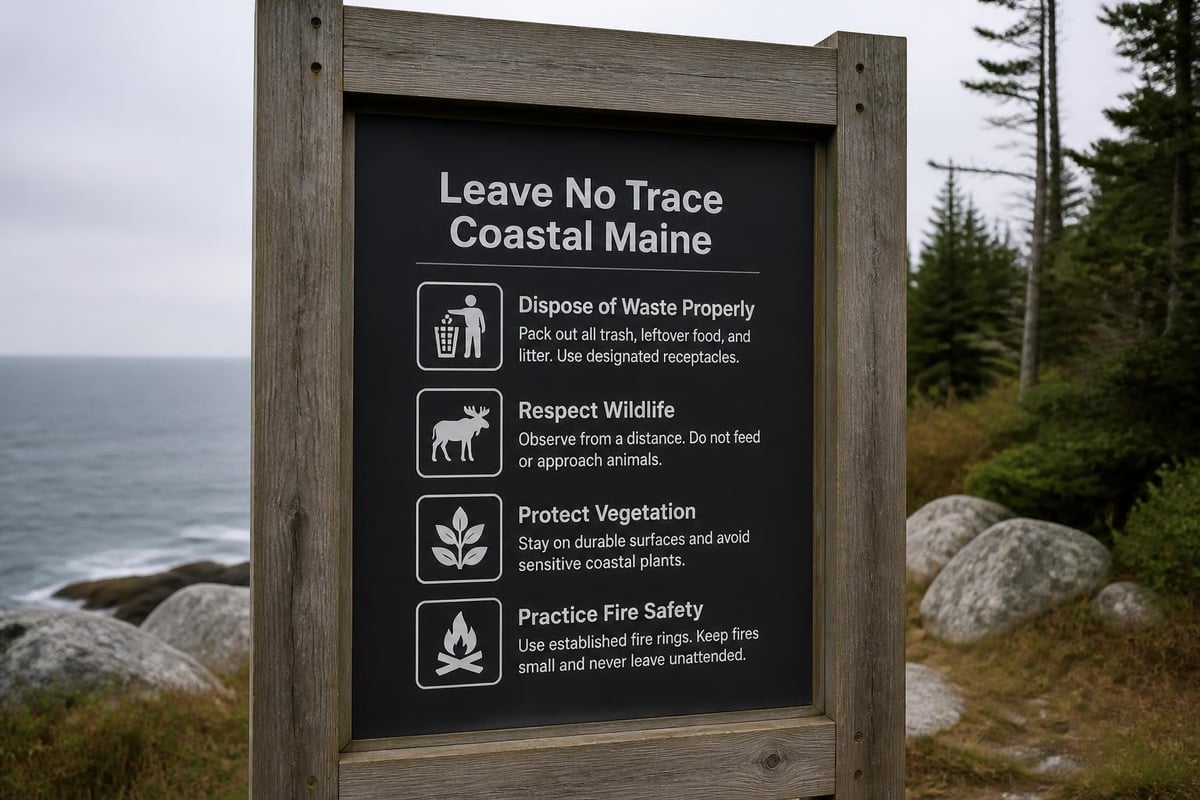
Dispose of waste properly takes extra importance in coastal settings. Never bury trash or food waste, as wildlife will excavate it. Pack out everything you pack in, including microtrash like bottle caps and food wrappers.
Respect wildlife by observing from distance. Seals, shorebirds, and nesting sites deserve wide berths. Maine law prohibits approaching seals within 150 feet, as human disturbance disrupts their essential rest periods.
Protect vegetation along coastal dunes and bluffs. These plants prevent erosion and provide wildlife habitat. Stay on designated trails and avoid creating new paths through sensitive areas.
Fire Regulations and Restrictions
Campfire rules vary by location and season. Many oceanfront sites prohibit ground fires entirely due to dune protection and wildfire risk. Where fires are permitted, use established fire rings and only burn purchased firewood to prevent spreading invasive species.
Check current fire danger ratings before your trip. During dry periods, authorities may implement temporary fire bans even at campgrounds that typically allow them. Portable propane stoves provide reliable cooking alternatives unaffected by fire restrictions.
Dining and Local Experiences
While camping emphasizes outdoor cooking, exploring Maine’s legendary culinary scene enhances your coastal adventure. Many campers adopt a hybrid approach: prepare breakfast and lunch at camp, then venture out for dinner.
Coastal towns near camping areas feature fresh seafood restaurants, farmers markets, and specialty food shops. Sampling local lobster rolls, clam chowder, and whoopie pies becomes part of the authentic Maine experience. To find excellent options near your campsite, explore a comprehensive dining guide organized by town.
Camp Cooking Tips for Coastal Settings
Salt air and humidity affect food storage differently than inland camping. Store dry goods in sealed containers to prevent moisture absorption. Keep coolers in shaded areas and drain meltwater frequently to maintain ice longevity.
Plan meals that incorporate local ingredients purchased during your trip. Farmers markets sell fresh produce, artisan breads, and Maine-made products that elevate camp meals beyond typical camping fare.
Family-Friendly Coastal Camping Considerations
Camping coastal Maine creates lasting family memories when properly planned. Children especially respond to the variety of activities available beyond traditional camping experiences.
Kid-Oriented Activities and Safety
Tide pool exploration engages children’s natural curiosity. Bring identification guides to help kids learn about marine creatures they discover. Teach them to gently return rocks to original positions to protect habitat.
Beach games from sandcastle building to frisbee provide hours of entertainment. Pack inflatable beach toys, sand toys, and simple sporting equipment that travels well.
Safety protocols require extra attention in coastal environments. Establish clear boundaries regarding water access, enforce life jacket rules for younger children, and educate kids about rip currents even on calm-looking beaches.
Campgrounds with organized activities, playgrounds, and pools ease the transition for families new to camping. These amenities provide backup options during rainy weather or when kids need a change from beach activities.
Budget Planning for Your Coastal Camping Trip
Camping coastal Maine accommodates various budgets depending on your choices regarding campground type, length of stay, and activity selection.
|
Expense Category |
Budget Option |
Mid-Range Option |
Premium Option |
|---|---|---|---|
|
Campsite (per night) |
$25-35 (state park) |
$45-65 (private tent site) |
$75-120 (oceanfront RV hookup) |
|
Food (family of 4/day) |
$40-50 (camp cooking) |
$75-100 (mix of camp/dining) |
$150-200 (mostly restaurants) |
|
Activities |
Free (beaches, hiking) |
$50-100 (equipment rentals) |
$200+ (tours, attractions) |
|
Transportation |
In-state travel only |
Regional road trip |
Multi-state journey |
Money-Saving Strategies
Book early to secure lowest rates and avoid last-minute premium pricing. Many campgrounds offer early-bird discounts for reservations made months ahead.
Camp midweek when possible. Monday through Thursday rates often run 15-30% lower than weekend pricing, with the added benefit of fewer crowds.
Combine free and paid activities. Maine offers abundant free coastal access points, hiking trails, and beach areas. Balance these with occasional paid experiences like boat tours or museum visits.
Weather Preparedness and Seasonal Considerations
Coastal weather differs significantly from inland Maine. Ocean influence moderates temperature extremes but increases humidity, fog frequency, and wind speed.
Understanding Coastal Weather Patterns
Morning fog blankets coastal areas regularly, particularly when warm air moves over cold ocean water. Fog typically burns off by midday but may persist all day during certain weather patterns. This phenomenon creates atmospheric camping experiences but requires headlamps for morning activities.
Sea breezes develop most summer afternoons as land heats faster than ocean water. These winds provide natural air conditioning but can challenge campfire management and tent stability.
Storm tracking becomes essential during your stay. Coastal systems intensify quickly. Download weather apps with radar capabilities and monitor forecasts twice daily. Many campgrounds post weather updates at camp offices.
Emergency Preparedness
Establish an emergency plan before arriving at your campsite. Know where the nearest urgent care facility operates and ensure cell phone coverage or identify where to find it. Some remote coastal areas have limited or no cell service.
Pack a comprehensive first aid kit addressing both standard camping injuries and coastal-specific issues like jellyfish stings, sunburn, and cuts from shells or rocks. Include medications for seasickness if planning boat activities.
Accessibility and Camping for All Abilities
Many coastal Maine campgrounds have improved accessibility in recent years, though challenges remain due to natural terrain characteristics.
Finding Accessible Facilities
State parks increasingly offer ADA-compliant campsites with paved pads, accessible bathhouses, and barrier-free paths to common areas. Call campgrounds directly to discuss specific needs and available accommodations.
Some beaches feature beach wheelchairs available for loan, enabling visitors with mobility limitations to access sand and surf. Reserve these specialized chairs in advance during peak season.
Private campgrounds often provide the most developed accessibility features, including level sites suitable for mobility devices, accessible pools and recreation areas, and proximity to paved walking paths.
Extended Stay Planning
Week-long or longer camping coastal Maine trips allow deeper exploration and more relaxed pacing. Extended stays require additional planning regarding provisioning, laundry, and activity variety.
Weekly Stay Logistics
Establish a base camp at one location rather than moving every few days. This approach reduces packing/unpacking work and lets you thoroughly explore one region. Many campgrounds discount weekly rates by 10-20% compared to nightly pricing.
Plan resupply trips to grocery stores and markets. Most coastal camping areas provide nearby shopping options. Schedule these trips during inclement weather to maximize good-weather outdoor time.
Vary your activities throughout a long stay. Alternate beach days with inland exploration, active hiking with relaxing downtime, and group activities with solo pursuits. This rhythm prevents burnout and keeps everyone engaged.
Connecting with Local Communities
Camping coastal Maine offers opportunities to engage with vibrant local communities beyond tourist experiences. Coastal towns host farmers markets, concerts, festivals, and community events throughout the season.
Attend town events listed on community calendars. Many coastal villages offer free summer concerts, art walks, and historical presentations that welcome visitors. These experiences provide cultural immersion while supporting local economies.
Visit local shops, bakeries, and craft studios rather than exclusively patronizing chain stores. These businesses reflect Maine’s character and often provide insider knowledge about hidden beaches, hiking trails, and upcoming local events.
Camping along Maine’s spectacular coastline combines natural beauty, outdoor adventure, and authentic New England experiences into unforgettable trips for individuals, couples, and families. From selecting the right campground type to understanding coastal weather patterns and conservation responsibilities, proper planning ensures successful camping coastal Maine adventures. Whether you’re drawn to developed campgrounds with ocean views or remote backcountry sites along rugged cliffs, Maine’s coast delivers camping experiences that create lasting memories. The Maine Beaches provides comprehensive resources to help you discover the perfect coastal destination, explore top-rated dining options, and plan activities that match your interests and abilities throughout southern Maine’s beautiful coastline.