

Maine’s rugged coastline offers some of the most spectacular camping experiences in the northeastern United States. Coastal maine campgrounds provide visitors with direct access to sandy beaches, rocky shorelines, and pristine natural environments where the sound of crashing waves becomes your evening soundtrack. Whether you’re seeking a full-service RV resort with modern amenities or a primitive tent site tucked into the spruce forests overlooking the Atlantic, Maine’s coastal camping options cater to every style of outdoor enthusiast. The 2026 camping season promises excellent opportunities to explore these remarkable destinations, from the southern beaches to the rugged Midcoast region.
Click here to view our official visitors guide.
Understanding Maine’s Coastal Camping Landscape
The coastal region of Maine stretches approximately 3,500 miles when accounting for all the coves, inlets, and peninsulas that define this maritime landscape. Coastal maine campgrounds are distributed across this diverse geography, each offering unique characteristics shaped by local terrain and climate.
Geographic Zones and Their Camping Characteristics
Southern Maine’s coastal campgrounds benefit from warmer waters and sandy beaches that attract families and beach enthusiasts. The Maine Coastal Program works to protect and manage these valuable coastal resources while ensuring public access. This region features numerous campgrounds within easy reach of popular destinations.
The Midcoast region presents a different character entirely. Here, rocky promontories alternate with protected harbors, and campgrounds often nestle into forested areas with water views. This area appeals to kayakers, sailors, and those seeking a more rugged coastal experience.
Key coastal camping zones include:
-
Southern Maine beaches (Kittery to Cape Elizabeth)
-
Greater Portland area coastal sites
-
Midcoast region (Brunswick to Rockland)
-
Penobscot Bay and islands
-
Downeast coastal campgrounds (Bar Harbor to Lubec)
Seasonal Considerations for 2026
Planning your camping trip requires understanding Maine’s coastal seasons. Most coastal maine campgrounds operate from mid-May through mid-October, with peak season running from late June through Labor Day.
|
Season |
Timeframe |
Advantages |
Considerations |
|---|---|---|---|
|
Early Season |
May-June |
Lower rates, fewer crowds, spring wildlife |
Cooler water, variable weather |
|
Peak Season |
July-August |
Warmest weather, full amenities |
Higher prices, reservations essential |
|
Fall Season |
September-October |
Spectacular foliage, pleasant temperatures |
Reduced services, earlier closures |
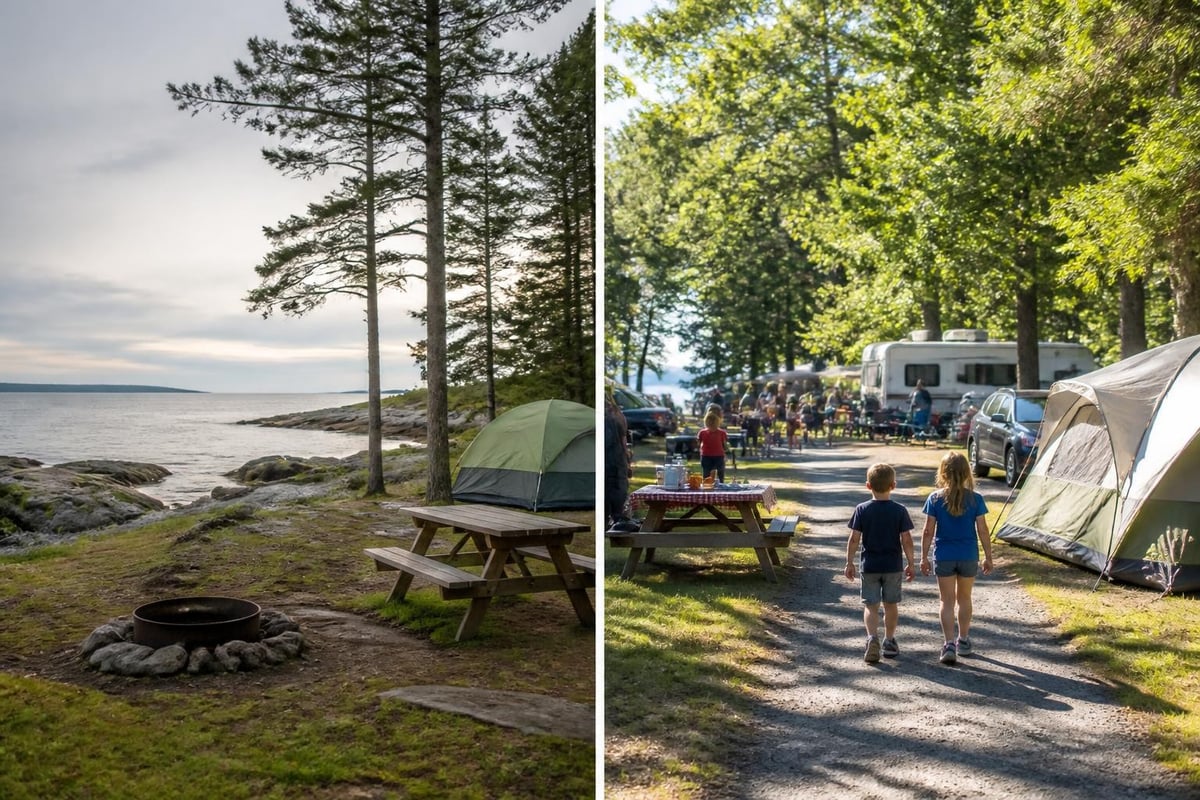
Types of Coastal Campgrounds Available
Maine’s coastal camping infrastructure includes remarkable variety, from state-managed facilities to private resorts offering resort-style amenities. Understanding these options helps you select the perfect base for your coastal adventures.
State Parks and Public Lands
Maine’s state park system includes several exceptional coastal locations. These facilities typically offer well-maintained sites with basic amenities at reasonable rates. The backcountry camping options in state parks provide adventurous campers with remote coastal experiences accessible by foot or boat.
State park coastal campgrounds generally feature:
-
Designated tent and RV sites with fire rings
-
Restroom facilities with running water
-
Beach or water access
-
Hiking trails and interpretive programs
-
Day-use facilities for picnicking
Private Campgrounds and RV Resorts
The Maine Campground Owners Association represents over 175 licensed campgrounds throughout the state, many located along the coast. Private coastal maine campgrounds often provide extensive amenities that appeal to families and RV travelers seeking comfort alongside natural beauty.
Premium amenities commonly found at private coastal campgrounds:
-
Full hookup sites with water, electric, and sewer
-
Swimming pools and recreational facilities
-
Camp stores and equipment rentals
-
Organized activities and entertainment
-
WiFi connectivity and modern conveniences
-
On-site restaurants or snack bars
Oceanfront Versus Inland Coastal Sites
Not all coastal maine campgrounds sit directly on the water. Understanding the distinction helps set appropriate expectations.
Oceanfront campgrounds offer immediate beach or rocky shore access, often with dramatic sunrise views and the constant presence of salt air. These premium locations command higher rates and book quickly, especially for waterfront sites.
Inland coastal campgrounds might sit a half-mile to several miles from the shore but still provide easy access to beaches and coastal attractions. These facilities often offer more wooded privacy and shelter from coastal winds while maintaining proximity to maritime activities.
Planning Your Coastal Camping Experience
Successful coastal camping requires thoughtful preparation. Maine’s coastal environment presents unique challenges and opportunities that differ from inland camping experiences.
Reservation Strategies for 2026
Competition for prime coastal campsites intensifies each year. For the 2026 season, implement these booking strategies to secure your preferred dates and locations.
Reservation timeline recommendations:
-
Popular state park sites: Book when reservations open (typically January for summer dates)
-
Private campgrounds: Reserve 3-6 months ahead for peak season
-
Shoulder season: 1-2 months advance booking usually sufficient
-
Last-minute options: Call campgrounds directly for cancellations
Many coastal maine campgrounds now use online reservation systems, making it easier to compare availability across multiple dates and locations. The public access guide provides valuable information about publicly accessible coastal areas that complement your campground stay.
Essential Gear for Coastal Camping
Coastal conditions demand specific equipment considerations. The maritime climate brings fog, salt air, and variable temperatures even during summer months.
|
Equipment Category |
Standard Camping |
Coastal Maine Additions |
|---|---|---|
|
Shelter |
Three-season tent |
Extra stakes for wind, rain fly seal |
|
Sleeping |
Standard bag |
Warmer rating (nights cool near water) |
|
Clothing |
Typical layers |
Windbreaker, rain gear essential |
|
Food Storage |
Cooler, dry bags |
Sealed containers (salt air, humidity) |
|
Recreation |
Hiking boots |
Water shoes, kayaking gear, tide chart |
Weather and Environmental Awareness
Understanding coastal weather patterns enhances both safety and enjoyment. Maine’s coast experiences microclimates where conditions can vary significantly over short distances.
Morning fog frequently blankets coastal areas, typically burning off by mid-morning. Afternoons bring sea breezes that moderate temperatures but can create challenging conditions for small watercraft. Evening temperatures drop noticeably, even after warm days, as cool ocean air moves onshore.
The NOAA coastal management overview provides valuable context on environmental factors affecting Maine’s coast, including information relevant to campers about weather patterns and coastal resilience.
Top Amenities and Features to Consider
Selecting among coastal maine campgrounds requires evaluating which amenities matter most for your camping style and travel party composition.
Family-Friendly Facilities
Families with children prioritize different features than couples or solo travelers. Look for campgrounds offering supervised children’s activities, playgrounds, and shallow swimming areas with lifeguards during peak season.
Many family-oriented coastal campgrounds schedule evening entertainment, nature programs, and organized beach activities. These structured options help children make friends and give parents opportunities to relax.
RV-Specific Considerations
RV travelers require specific infrastructure that not all coastal maine campgrounds provide equally well. Full hookups become especially valuable in coastal settings where humidity can make running generators less pleasant for neighbors.
Consider these RV-specific factors:
-
Site length and width (coastal campgrounds often have tighter spaces)
-
Pull-through versus back-in sites
-
Hookup voltage (30-amp versus 50-amp service)
-
Dump station access and convenience
-
Big rig accessibility on coastal roads
Water Access and Beach Quality
The quality and type of water access varies dramatically among coastal campgrounds. Some offer sandy swimming beaches perfect for children, while others provide rocky shores ideal for tide pooling and exploration.
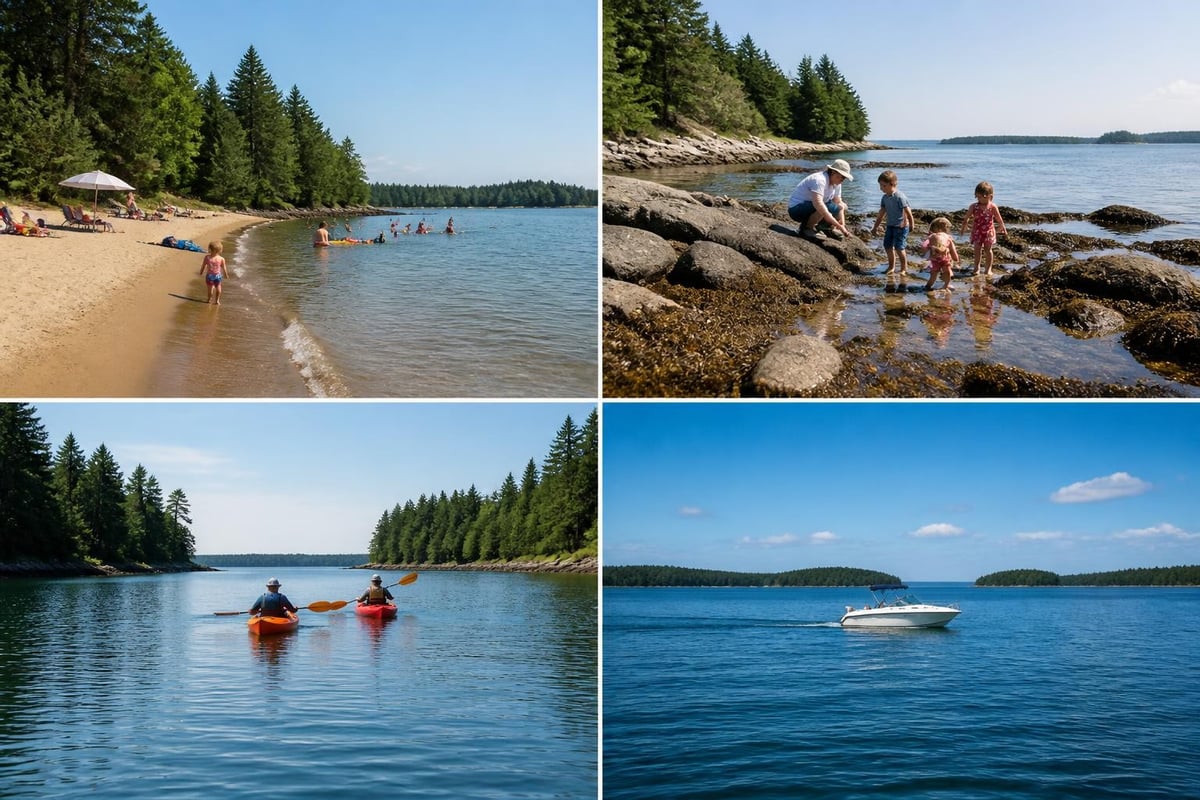
Campgrounds with boat launches, kayak rentals, or marina facilities appeal to water sports enthusiasts. Those seeking experiences on the water will want to prioritize these amenities when selecting their coastal camping destination.
Regional Highlights and Destination Campgrounds
Each section of Maine’s coast offers distinct character and attractions. Matching your interests to the appropriate coastal region ensures a more satisfying camping experience.
Southern Maine Beaches Region
The southern coast from Kittery to Cape Elizabeth features Maine’s most accessible beaches and warmest ocean temperatures. Coastal maine campgrounds in this region provide excellent bases for exploring Maine’s beautiful beaches and the area’s numerous attractions.
This region combines beach access with proximity to dining, shopping, and cultural attractions. Many campgrounds sit within short drives of popular towns like Ogunquit, Kennebunkport, and Old Orchard Beach.
Midcoast Camping Destinations
The Midcoast region extends roughly from Brunswick through Rockland, encompassing Penobscot Bay and its numerous islands. This area offers the quintessential Maine coastal experience with working harbors, lobster pounds, and maritime heritage.
Campgrounds here often provide wooded sites with filtered water views. The rocky coastline creates excellent opportunities for exploration at low tide, and many campgrounds sit near launching points for island ferry services.
Notable Midcoast features:
-
Historic maritime villages and museums
-
Active fishing harbors and boat tours
-
Island day trips and ferry services
-
Coastal hiking trails and preserves
-
Artisan galleries and local craft traditions
Downeast and Acadia Region
Further northeast, the Downeast region culminates at Acadia National Park, where camping opportunities range from the park’s own campgrounds to nearby private facilities. This area attracts serious outdoor enthusiasts drawn to world-class hiking, rock climbing, and scenic beauty.
Coastal maine campgrounds near Acadia book far in advance due to the park’s popularity. Consider sites slightly farther from the park entrance for better availability while still maintaining reasonable access to the main attractions.
Regulations and Best Practices
Responsible camping protects Maine’s coastal environment for future generations while ensuring positive experiences for all visitors. Understanding applicable regulations demonstrates respect for both the resource and fellow campers.
Campground Performance Standards
Maine maintains specific performance standards for campgrounds that establish minimum requirements for facilities, safety, and environmental protection. These regulations ensure that licensed campgrounds meet basic standards for sanitation, fire safety, and site management.
Reputable coastal maine campgrounds exceed these minimum standards, implementing additional measures to protect sensitive coastal ecosystems and enhance guest experiences.
Environmental Stewardship
Coastal environments face unique pressures from camping activities. Salt marshes, dune systems, and intertidal zones all require careful protection.
Leave No Trace principles for coastal camping:
-
Stay on designated trails and campsites to prevent erosion
-
Respect wildlife nesting areas, especially shorebird habitats
-
Properly dispose of all waste, including fishing line and tackle
-
Use biodegradable soaps away from water sources
-
Observe campfire regulations and burn only provided firewood
-
Respect quiet hours and noise regulations
-
Keep beaches and shorelines clean of debris
Tide Awareness and Water Safety
Unlike inland camping, coastal sites require attention to tidal cycles. Tides along Maine’s coast can exceed ten feet, dramatically changing the shoreline landscape twice daily.
Always consult tide charts before beach walks, kayaking trips, or launching boats. Incoming tides can quickly cut off access to rocky areas, creating dangerous situations. Many campgrounds post tide information, or you can obtain charts at local marine supply stores and online resources.
Making the Most of Your Coastal Camping Trip
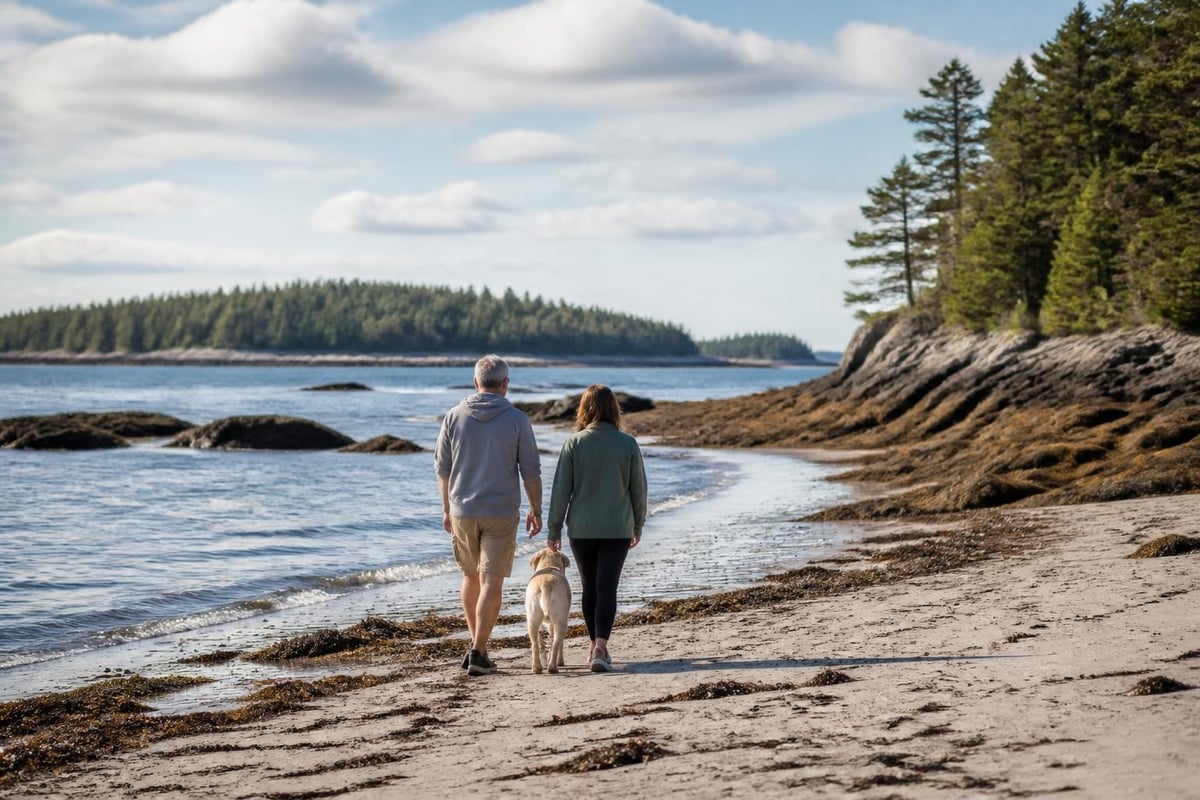
Successful coastal camping extends beyond simply securing a site. Maximizing your experience requires planning activities that take advantage of the unique coastal setting.
Exploring Beyond Your Campground
While your campground provides your home base, the surrounding region offers countless attractions worth exploring. Many visitors use coastal maine campgrounds as launching points for day trips to nearby destinations.
The Official Visitors Guide helps identify attractions, dining options, and activities throughout the region. Planning a rough itinerary before arrival ensures you don’t miss must-see destinations while still allowing flexibility for spontaneous discoveries.
Culinary Adventures and Local Dining
Maine’s coastal cuisine deserves special attention during your camping trip. While campground cooking provides satisfaction, balancing camp meals with local restaurant experiences enriches your visit.
Beyond the famous lobster shacks and seafood restaurants, coastal towns offer diverse dining from farm-to-table establishments to international cuisine. Planning one or two restaurant meals into your trip provides welcome variety and supports local businesses.
Balancing Activity and Relaxation
The best coastal camping experiences strike a balance between adventure and downtime. Schedule active days exploring trails, beaches, and attractions, but also build in lazy mornings or quiet afternoons simply enjoying your campsite’s natural setting.
Some visitors overschedule their camping trips, exhausting themselves with constant activity. Remember that simply being present in a beautiful coastal setting provides value. Reading a book in a camp chair while listening to waves crash against the shore creates memories as meaningful as any planned excursion.
Photography and Wildlife Observation
Coastal maine campgrounds provide exceptional opportunities for nature photography and wildlife observation. Early morning hours offer the best light for landscape photography, with fog-shrouded coastlines creating ethereal scenes.
Bring binoculars for observing seabirds, seals, and occasional whales visible from shore. Many coastal areas host impressive bird migrations during spring and fall, with shorebirds, warblers, and raptors passing through in significant numbers.
Cost Considerations and Budget Planning
Understanding the full cost of coastal camping helps you budget appropriately and avoid surprise expenses during your trip.
Campground Fees and Pricing Structures
Coastal maine campgrounds employ various pricing models. State parks typically charge flat nightly rates that vary by site type, with premium waterfront sites commanding higher prices. Private campgrounds often implement dynamic pricing that adjusts based on demand, day of week, and season.
Typical 2026 pricing ranges:
-
State park sites: $35-$50 per night
-
Private campground standard sites: $40-$75 per night
-
Premium oceanfront sites: $75-$150 per night
-
RV resort full-hookup sites: $60-$120 per night
Many campgrounds require minimum stay commitments during peak season, typically two or three nights for regular weekends and four to seven nights around major holidays.
Additional Expenses to Anticipate
Beyond campground fees, budget for these typical coastal camping expenses:
-
Firewood (usually $8-$12 per bundle at campgrounds)
-
Recreation equipment rentals (kayaks, bikes, beach gear)
-
Day-use parking at beaches and attractions
-
Dining at local restaurants
-
Fresh seafood from local markets
-
Admission to museums, lighthouses, and attractions
-
Fuel costs for exploring the region
Money-Saving Strategies
Strategic planning can significantly reduce coastal camping costs without sacrificing experience quality. Shoulder season camping provides the best value, with rates dropping 20-40% compared to peak July and August dates while weather remains pleasant.
Consider mid-week stays rather than weekends when policies permit shorter minimum stays. Many campgrounds discount mid-week rates during peak season. Cooking most meals at your campsite rather than eating out controls food costs while still allowing occasional restaurant splurges for special meals.
Accessibility and Inclusive Camping
Maine’s coastal camping community increasingly prioritizes accessibility, ensuring that visitors with diverse abilities can enjoy these natural spaces.
ADA-Compliant Facilities
Many modern coastal maine campgrounds include ADA-compliant sites with level pads, accessible restrooms, and paved pathways. When booking, specifically inquire about accessibility features if you or your traveling companions require accommodations.
State parks particularly have invested in accessibility improvements, including beach wheelchairs available for loan at select locations and accessible viewing platforms for scenic overlooks.
Family-Friendly and Multi-Generational Camping
Coastal campgrounds serve families spanning multiple generations, from young children to grandparents. Look for campgrounds offering varied site types that allow extended families to camp near each other while maintaining some privacy.
Some facilities offer cabin or cottage rentals alongside traditional campsites, allowing family members preferring more comfort to participate in the camping experience while others enjoy tents or RVs.
Advanced Planning Resources
Successfully navigating Maine’s coastal camping options requires utilizing available planning resources. The comprehensive directory from the Maine Campground Owners Association allows you to search campgrounds by region, amenity, and campground type, streamlining your research process.
Review websites and social media provide real-world insights from recent visitors. While individual experiences vary, patterns in reviews reveal consistent strengths or weaknesses at specific campgrounds. Pay particular attention to recent reviews, as campground management and conditions can change from season to season.
Consider joining online camping forums and Maine-specific travel groups where experienced campers share recommendations, tips, and current condition reports. These communities often provide valuable insider knowledge about lesser-known campgrounds and strategies for securing reservations at popular locations.
Weather Preparedness and Gear Recommendations
Maine’s coastal weather requires specific preparation. Even during summer, temperatures can fluctuate dramatically between day and night, and sudden weather changes can bring rain, wind, or fog with little warning.
Clothing Layers and Textile Selection
Layering systems work best for coastal conditions. Synthetic or wool base layers provide insulation even when damp, crucial in humid coastal environments. Avoid cotton clothing for active pursuits, as it retains moisture and loses insulating properties when wet.
Pack more warm layers than you think necessary. Evening campfires provide warmth, but walking the beach after sunset or starting early morning kayaking trips requires substantial insulation against cool ocean breezes.
Shelter and Site Setup Considerations
Coastal maine campgrounds often experience stronger winds than inland locations. Ensure your tent includes quality stakes and guy lines, and learn proper staking techniques for different soil types. Sandy sites require longer, specialized sand stakes, while rocky areas might necessitate creative anchoring solutions.
Position your tent considering prevailing wind directions and morning sun exposure. Sites sheltered by vegetation or natural topography provide more comfortable conditions during windy periods. However, avoid setting up directly under large trees or dead branches that could pose hazards during storms.
Coastal maine campgrounds offer unforgettable experiences where ocean meets forest, creating a distinctive camping environment unlike any other in the northeastern United States. Whether you’re planning your first coastal camping adventure or returning for another season of maritime memories, thoughtful preparation and realistic expectations ensure rewarding experiences. The Maine Beaches provides comprehensive resources to help you explore the full range of coastal attractions, from pristine beaches to cultural landmarks, making your camping trip just one element of a complete coastal Maine experience. Start planning your 2026 coastal camping adventure today and discover why Maine’s coast captivates visitors year after year.