
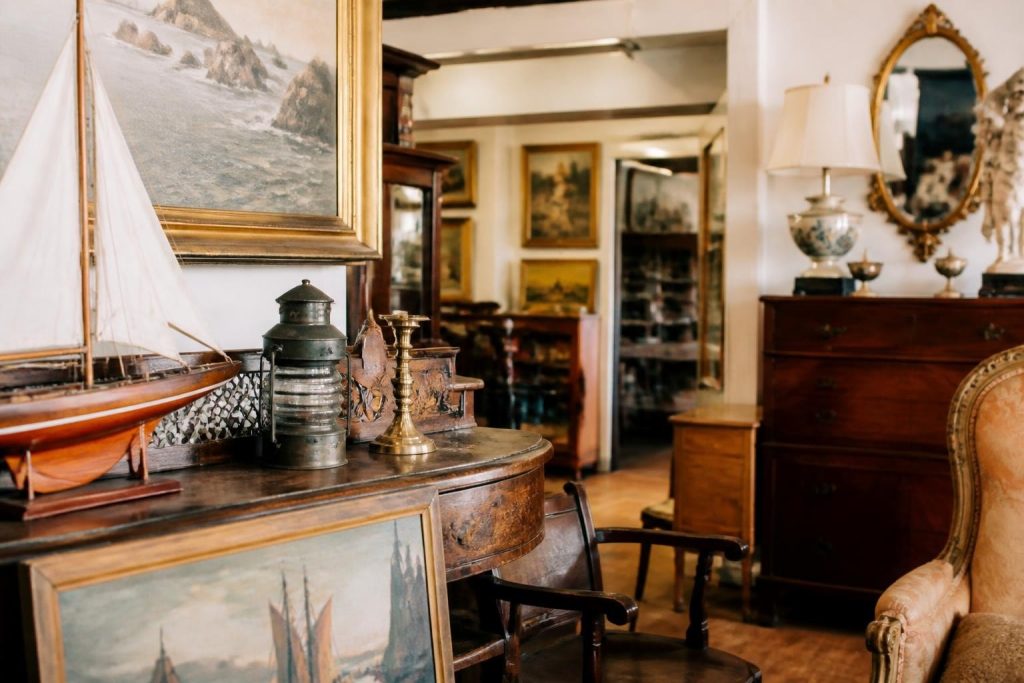
Maine has earned its reputation as one of New England’s premier antiquing destinations, drawing collectors and casual shoppers alike to its charming storefronts and sprawling emporiums. The state’s rich maritime history, combined with generations of preservation-minded residents, creates a unique environment where authentic treasures from centuries past remain accessible to today’s shoppers. Whether you’re searching for nautical artifacts, vintage furniture, or rare collectibles, maine antique shops offer an unparalleled selection that reflects both the state’s heritage and the changing tastes of American collectors.
Click here to view our official visitors guide.
Understanding Maine’s Antique Shopping Landscape
The concentration of antique dealers throughout Maine creates opportunities that few other states can match. From the southern beaches to the rocky northern coast, each region offers distinct shopping experiences shaped by local history and community character.
Coastal vs. Inland Offerings
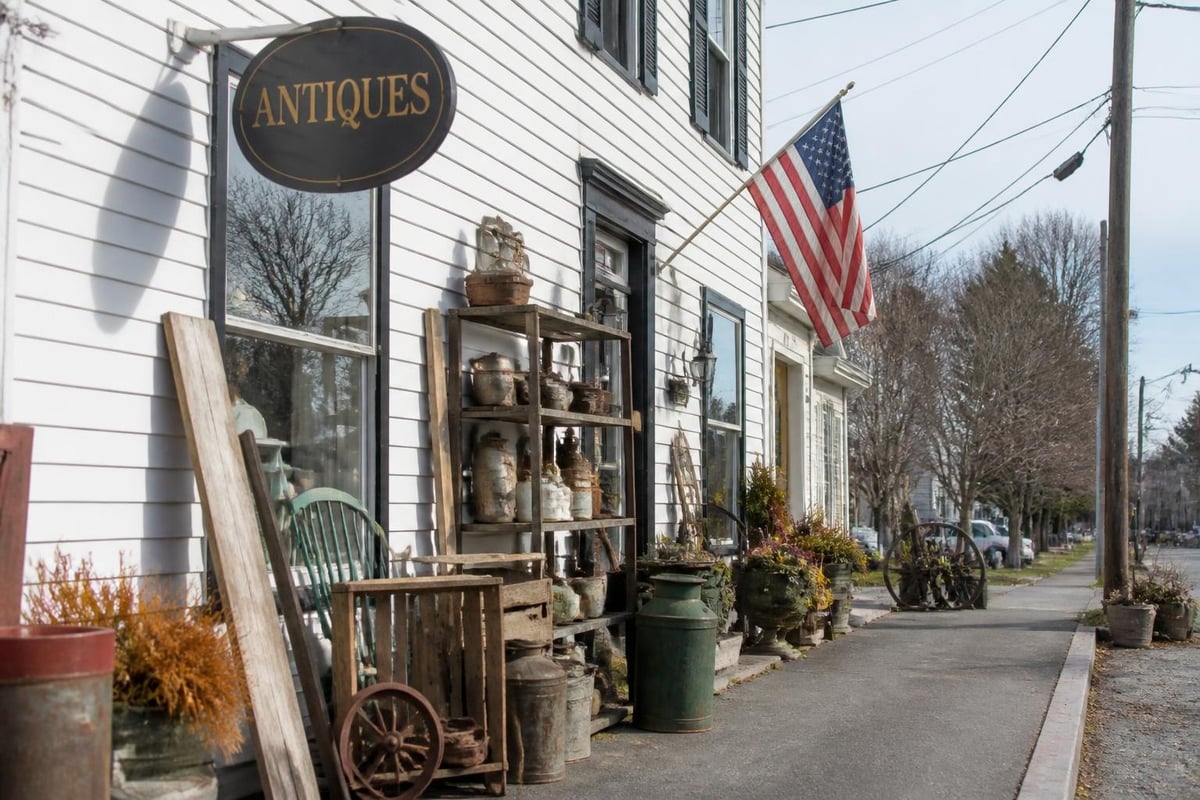
Coastal maine antique shops typically feature maritime-themed items that reflect the state’s seafaring traditions:
-
Ship models and navigational instruments
-
Lighthouse memorabilia and coastal artwork
-
Vintage fishing equipment and boat hardware
-
Nautical furniture and decor elements
-
Marine paintings and prints
Inland shops often showcase different inventory that tells stories of agricultural life and early American settlement. These establishments frequently stock farm implements, country furniture, and local historical documents that appeal to collectors interested in rural American heritage.
Seasonal Shopping Considerations
The antiquing experience in Maine changes dramatically with the seasons. Summer months bring the largest selection as seasonal shops open their doors and dealers stock fresh inventory to meet tourist demand. However, serious collectors often prefer shopping during shoulder seasons when they can negotiate more effectively and browse without crowds.
|
Season |
Advantages |
Considerations |
|---|---|---|
|
Spring (April-May) |
Fresh inventory arrives, fewer crowds |
Some shops still on winter hours |
|
Summer (June-August) |
All shops open, peak inventory |
Higher prices, tourist crowds |
|
Fall (September-October) |
End-of-season sales, negotiable prices |
Dealers preparing to close seasonal locations |
|
Winter (November-March) |
Best prices, undivided attention |
Many coastal shops closed, limited hours |
Top Destinations for Antique Enthusiasts
Several communities have established themselves as must-visit locations for anyone serious about antiquing in Maine. These towns combine multiple dealers with complementary attractions that make day trips worthwhile.
Portland and Greater Portland
The Portland area serves as Maine’s antique hub, with the Portland Antiques Mall standing as the region’s flagship destination. This establishment houses over 75 dealers under one roof, offering everything from fine art to vintage clothing.
The density of shops in Portland’s historic districts allows visitors to cover multiple locations on foot. The Arts District and Old Port neighborhoods feature smaller specialty shops alongside larger multi-dealer spaces, creating opportunities for both focused collecting and casual browsing.
Brunswick and Central Maine
Brunswick anchors the central Maine antiquing scene with Cabot Mill Antiques leading the way. Located in a restored textile mill, this impressive emporium features over 150 dealer displays spanning multiple floors of the historic building.
The Central Maine Antique Mall complements the regional offerings with specialized inventory focusing on period furniture and fine art. These larger venues provide comprehensive selections that can occupy serious shoppers for entire afternoons.
Southern Maine Beaches Region
The coastal communities from Kittery to Old Orchard Beach offer exceptional antiquing opportunities alongside their famous beaches. When planning your Maine vacation, incorporating antique shop visits adds cultural depth to traditional beach activities.
Kennebunkport particularly stands out for its concentration of high-end dealers specializing in American decorative arts and maritime antiques. The town’s affluent summer colony has supported quality antique businesses for generations.
What Makes Maine Antique Shops Special
Maine’s antiquing scene possesses distinctive characteristics that differentiate it from other regional markets. Understanding these unique aspects helps shoppers appreciate the value and authenticity they encounter.
Authenticity and Provenance
According to experts featured on Maine Public’s discussion of the state’s antique scene, Maine dealers pride themselves on accurate representation and thorough research. The state’s relative isolation historically meant items stayed within families for generations, creating clear provenance chains.
This commitment to authenticity extends throughout the dealer community. Many shops belong to the Maine Antique Dealers Association, which maintains professional standards and ethical guidelines for its members.
Diversity of Inventory
The unexpected variety found in maine antique shops reflects the state’s complex history. Items range from indigenous crafts to imported European furniture, Victorian-era household goods to mid-century modern design pieces.
Common categories you’ll encounter include:
-
Maritime and nautical antiques
-
Early American furniture and folk art
-
Vintage jewelry and accessories
-
Period textiles and quilts
-
Historical documents and ephemera
-
Architectural salvage and building materials
-
Collectibles ranging from postcards to pottery
Competitive Pricing
Maine’s distance from major metropolitan markets creates pricing advantages for knowledgeable shoppers. While tourist-oriented coastal shops may charge premium prices, inland locations and multi-dealer malls offer competitive rates that reward patient searching.
Specialized Dealers and Niche Shops
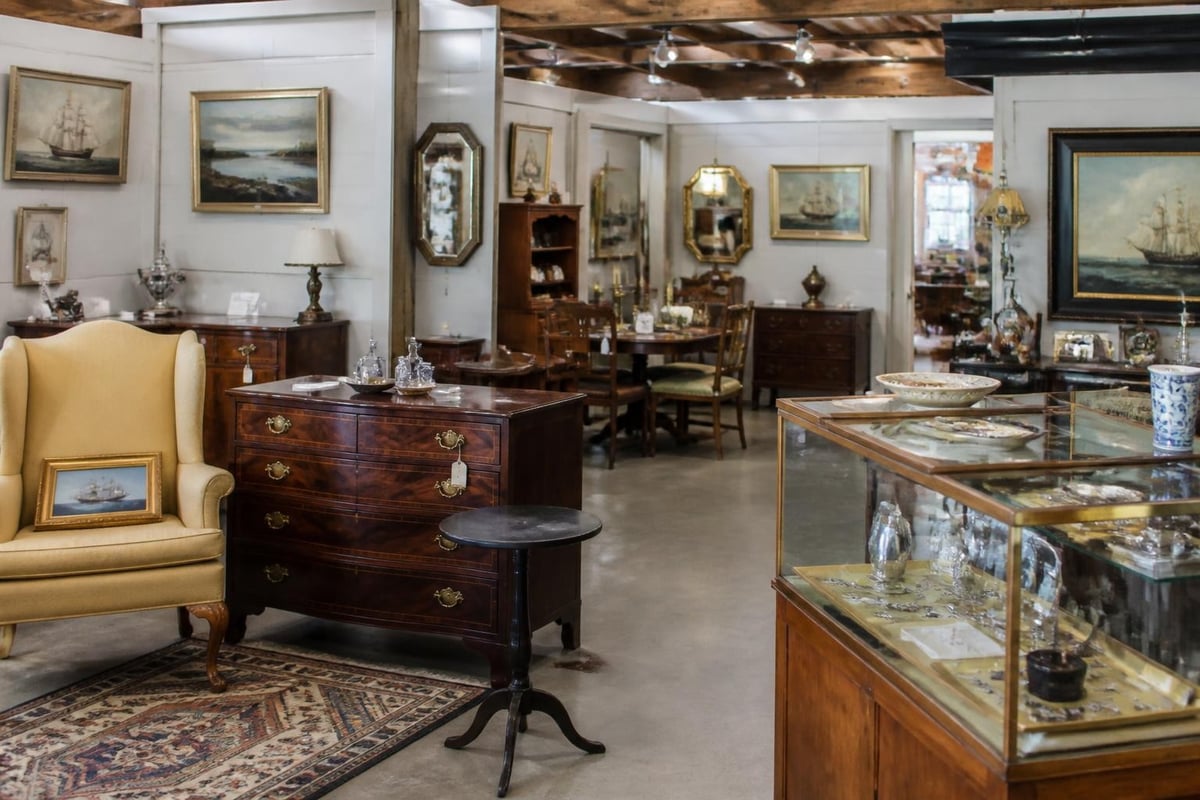
Beyond the large multi-dealer emporiums, Maine supports numerous specialized antique businesses catering to specific collecting interests.
Freeport’s Hidden Gems
Freeport, known primarily for its outlet shopping, harbors quality antique destinations like Maine Wicked Goods Mercantile. This welcoming shop specializes in antique and vintage jewelry, fine crystal, and original art, offering curated selections that appeal to discerning collectors.
Architectural Salvage Specialists
Pete’s Place in Hollis Center, also known as Truck Stop Antiques, exemplifies Maine’s strong architectural salvage market. These establishments rescue elements from demolished or renovated buildings, providing authentic materials for restoration projects.
Architectural dealers typically stock:
-
Period doors, windows, and hardware
-
Mantels and fireplace surrounds
-
Lighting fixtures and chandeliers
-
Stained and beveled glass
-
Antique building materials
Maritime Specialists
Given Maine’s coastal heritage, several dealers focus exclusively on nautical antiques. These shops provide expertise in authenticating ship models, navigation instruments, and marine artwork that general dealers may lack.
Shopping Strategies for Success
Maximizing your maine antique shops experience requires preparation and strategic approaches that differ from typical retail shopping.
Research Before You Visit
Successful antiquing begins at home. Identify dealers specializing in your interests, check their hours (particularly important in Maine where seasonal schedules vary), and research current market values for items you seek.
The Maine Antique Dealers Association directory provides verified dealer listings with specialties noted, helping you target shops most likely to carry desired items.
Develop Dealer Relationships
Unlike chain retail, antique dealers value repeat customers and will often contact regular shoppers when specific items arrive. Introduce yourself, explain your collecting interests, and provide contact information to dealers whose inventory aligns with your goals.
|
Relationship Building Tips |
Benefits |
|---|---|
|
Visit regularly, even if not buying |
Dealers remember serious collectors |
|
Ask questions and show genuine interest |
Learn valuable information about items and market trends |
|
Make purchases when you find the right piece |
Establishes you as a buyer, not just a browser |
|
Provide feedback on items you seek |
Dealers can watch for specific pieces |
Timing Your Visits
Strategic timing significantly impacts what you’ll find and what you’ll pay. Early morning visits to multi-dealer malls often mean you’ll see items before other shoppers. Mid-week visits to tourist-area shops provide better opportunities for conversation and negotiation than weekend crowds allow.
Estate sale season (typically spring and fall) brings fresh inventory to shops as dealers acquire new stock. Following these cycles helps you catch desirable items before they sell.
Negotiation Etiquette
Most maine antique shops expect some negotiation, particularly on higher-priced items. However, approach this process respectfully, recognizing that dealers have knowledge and overhead costs to consider.
Effective negotiation strategies include:
-
Research comparable sales before making offers
-
Point out specific condition issues that affect value
-
Offer to purchase multiple items for a better overall price
-
Pay cash when possible (many dealers offer small discounts)
-
Ask “Is this your best price?” rather than making lowball offers
Combining Antiquing with Coastal Experiences
Visitors to southern Maine can seamlessly integrate antique shopping with beach activities, creating well-rounded vacations that satisfy diverse interests. Many coastal destinations offer both antique shops and ocean access within short distances.
Building Your Itinerary
Morning beach visits followed by afternoon antiquing provides natural rhythm to vacation days. The coastal heat makes mid-afternoon ideal for browsing air-conditioned shops, while cooler morning and evening hours suit beach activities.
For comprehensive planning resources covering both antiquing and coastal attractions, the Official Visitors Guide helps you discover shops and experiences throughout the region.
Regional Events and Shows
Maine hosts numerous antique shows and fairs throughout the warmer months. These events bring dealers together from across the state, offering concentrated shopping opportunities and special finds.
Major annual events include:
-
Wells Antique Show (summer)
-
Union Fair Antiques (August)
-
Various outdoor markets and flea markets (seasonal)
Check the Maine Beaches events calendar to coordinate antique shopping with other regional happenings during your visit.
Authentication and Value Assessment
Understanding how to evaluate potential purchases protects buyers and ensures satisfaction with acquisitions from maine antique shops.
Examining Construction and Materials
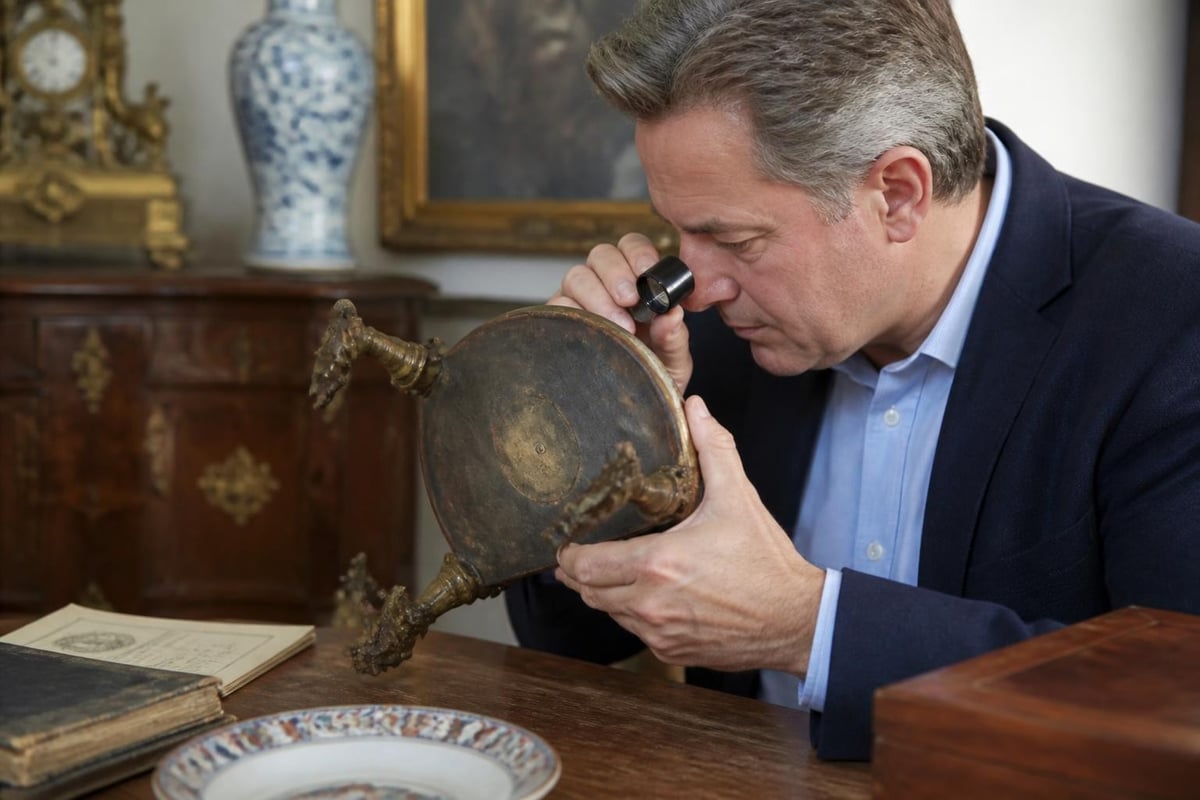
Period furniture reveals its age through construction techniques, wood selection, and wear patterns. Hand-cut dovetails, irregular saw marks, and wood species common to specific periods provide authentication clues that machine-made reproductions lack.
Key authentication indicators:
-
Tool marks consistent with period manufacturing
-
Hardware appropriate to the item’s stated age
-
Wood patina developed over decades or centuries
-
Wear patterns in logical locations
-
Repairs using period-appropriate methods
Documentation and Provenance
Items with documented history command premium prices but offer greater confidence in authenticity and value. Ask dealers about provenance, previous ownership, and any available documentation.
Seeking Expert Opinions
When considering significant purchases, consult specialists or appraisers before committing. Many maine antique shops welcome expert examination and serious dealers will provide reasonable return policies if purchased items prove inauthentic.
Caring for Your Purchases
Proper care preserves both the value and beauty of antiques acquired during your shopping adventures.
Immediate Protection
Transport fragile items carefully, using appropriate packing materials to prevent damage during travel. Many shops provide wrapping, but bring additional padding for long journeys.
Long-term Preservation
Environmental control prevents deterioration of wood furniture, textiles, and paper items. Maintain stable temperature and humidity levels, avoid direct sunlight, and clean antiques using appropriate methods for their materials.
|
Material Type |
Primary Threats |
Protection Methods |
|---|---|---|
|
Wood furniture |
Humidity fluctuations, direct sunlight |
Climate control, positioning away from windows |
|
Textiles |
Light exposure, insects, improper storage |
Acid-free storage, regular inspection |
|
Paper/Documents |
Light, humidity, handling damage |
Archival sleeves, limited display time |
|
Metal items |
Corrosion, improper cleaning |
Appropriate polishes, dry environment |
Supporting Maine’s Antique Community
The vitality of maine antique shops depends on informed, engaged customers who appreciate the value these businesses bring to their communities.
Ethical Collecting Practices
Responsible collectors verify legal ownership and ethical sourcing of antiques, particularly for indigenous artifacts, historical documents, and items of cultural significance. Support dealers who prioritize ethical practices and transparent provenance.
Preserving Local Heritage
Purchasing Maine antiques and keeping them within the state or region helps preserve local heritage. Consider how your collecting choices impact historical preservation and cultural continuity.
Educational Opportunities
Many dealers welcome questions and enjoy sharing knowledge about their inventory. These conversations provide free education while building appreciation for historical craftsmanship and design evolution.
Future of Antiquing in Maine
The antique industry continues evolving as new technologies and changing demographics reshape how dealers operate and customers shop.
Digital Integration
Online platforms complement physical maine antique shops, allowing dealers to reach broader markets while maintaining traditional storefronts. Many businesses now maintain websites, social media presence, and online inventory systems.
Modern shopping options include:
-
Virtual tours of shop inventory
-
Social media posts featuring new arrivals
-
Online inquiries before visiting
-
Digital payment options
-
Shipping services for distant buyers
Generational Shifts
Younger collectors often seek different items than previous generations, driving changes in inventory focus. Mid-century modern furniture, vintage fashion, and industrial design pieces increasingly appear alongside traditional antiques.
Sustainability Appeal
Antique shopping aligns with growing environmental consciousness as the ultimate form of recycling. This sustainability aspect attracts new customers who value both historical character and reduced environmental impact.
Maine antique shops offer treasures that connect us to the past while enriching our present lives. Whether you’re a serious collector or casual browser, the state’s diverse dealers provide endless discovery opportunities alongside its famous coastal attractions. When planning your antiquing adventure, The Maine Beaches can help you explore not only the region’s exceptional shopping but also its stunning beaches, cultural attractions, and dining experiences that make southern coastal Maine an unforgettable destination.