
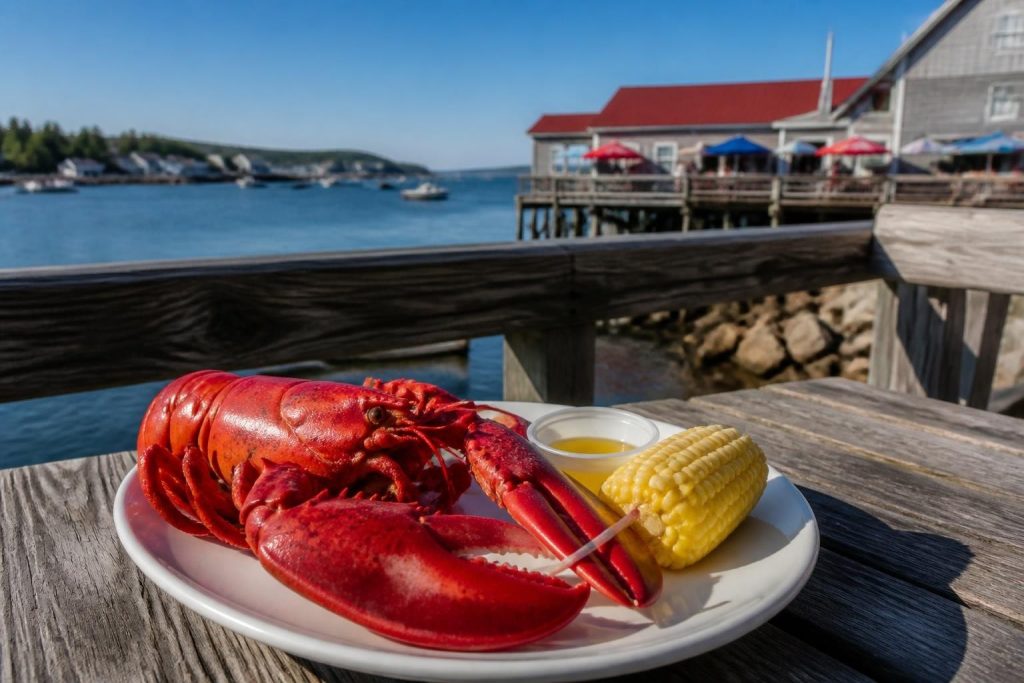
The scent of salt air mingles with the aroma of steaming seafood as you approach a weathered wooden building perched along the rocky coastline. This is where maine lobster shacks come alive, offering visitors an authentic taste of coastal New England culture. These casual eateries represent more than just places to eat-they embody centuries of maritime tradition, sustainable fishing practices, and the unique character that defines Maine's relationship with the Atlantic Ocean.
What Makes Maine Lobster Shacks Special
Maine lobster shacks stand apart from typical restaurants through their commitment to simplicity and freshness. Most establishments receive daily deliveries directly from local fishermen, ensuring the lobster on your plate was likely swimming in the ocean just hours before. This farm-to-table approach, or more accurately, boat-to-table philosophy, creates an unmatched dining experience.
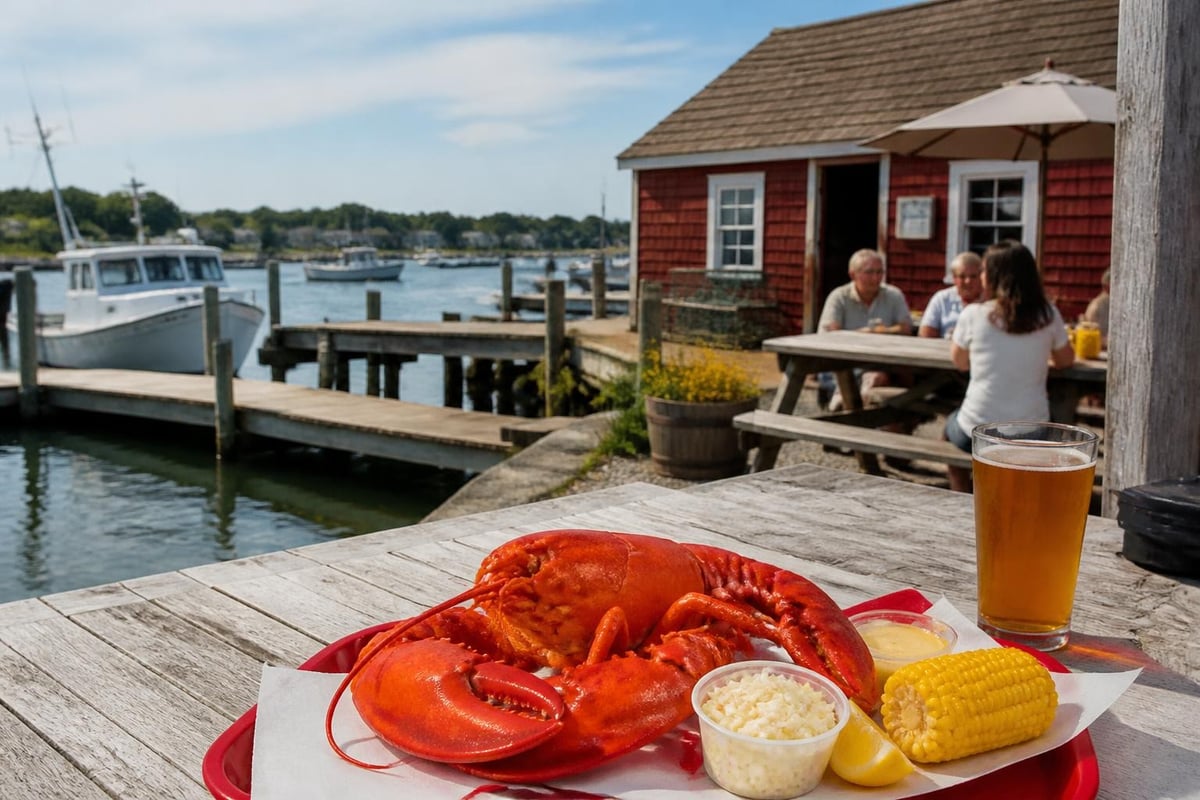
The atmosphere at these shacks intentionally embraces casual informality. Picnic tables, paper plates, and plastic bibs replace white tablecloths and fine china. Many shacks feature outdoor seating where you can watch boats navigate the harbor while cracking into your meal. This stripped-down approach allows the quality of the seafood to speak for itself.
The Lobster Roll Debate
At maine lobster shacks, you'll encounter two distinct styles of lobster rolls that inspire passionate debates among locals and visitors alike. The Maine-style features cold lobster meat tossed with a light coating of mayonnaise, served in a toasted split-top bun. The Connecticut-style presents warm lobster meat drizzled with melted butter in the same type of bun.
Both versions showcase the sweet, delicate flavor of fresh lobster, and many shacks offer both preparations to satisfy different preferences. The cultural significance of the lobster roll extends beyond simple sustenance-it represents Maine's culinary identity and maritime heritage.
Finding the Best Lobster Shacks Along the Coast
The southern Maine coastline offers an exceptional concentration of lobster shacks, each with unique characteristics and specialties. From Kittery to Cape Elizabeth, these establishments dot the shoreline, providing countless opportunities to enjoy fresh seafood with spectacular ocean views.
Geographic Distribution
Southern Maine Beaches Region
- York and Ogunquit: Multiple shacks with beachfront access
- Wells and Kennebunk: Historic fishing village locations
- Biddeford and Saco: Working waterfront settings
- Old Orchard Beach: Family-friendly establishments
- Cape Elizabeth: Scenic lighthouse area dining
Mid-Coast Maine
- Portland area: Urban shacks with harbor views
- Freeport: Shopping and seafood combinations
- Brunswick: College town atmosphere
- Bath: Shipbuilding heritage locations
The concentration of maine lobster shacks in these regions reflects both the abundance of lobster populations and the areas' accessibility to visitors exploring the coast.
Understanding Lobster Shack Menus
While lobster takes center stage, most shacks offer diverse menus featuring other local seafood and traditional New England fare. Understanding the options helps you make the most of your visit.
Core Menu Items
| Item | Description | Typical Price Range |
|---|---|---|
| Lobster Roll | Fresh lobster meat in toasted bun | $22-$32 |
| Whole Steamed Lobster | 1.25-2 lb lobster with sides | $28-$45 |
| Lobster Dinner | Lobster with corn, potatoes, coleslaw | $35-$50 |
| Clam Chowder | Creamy New England style | $8-$14 |
| Fried Clams | Whole belly or strips | $18-$28 |
| Steamers | Soft-shell clams with broth | $16-$24 |
Many establishments also serve haddock, scallops, shrimp, and crab, allowing groups with varied preferences to find something appealing. Vegetarian options typically include grilled cheese, salads, or clam chowder made without seafood stock.
Seasonal Variations
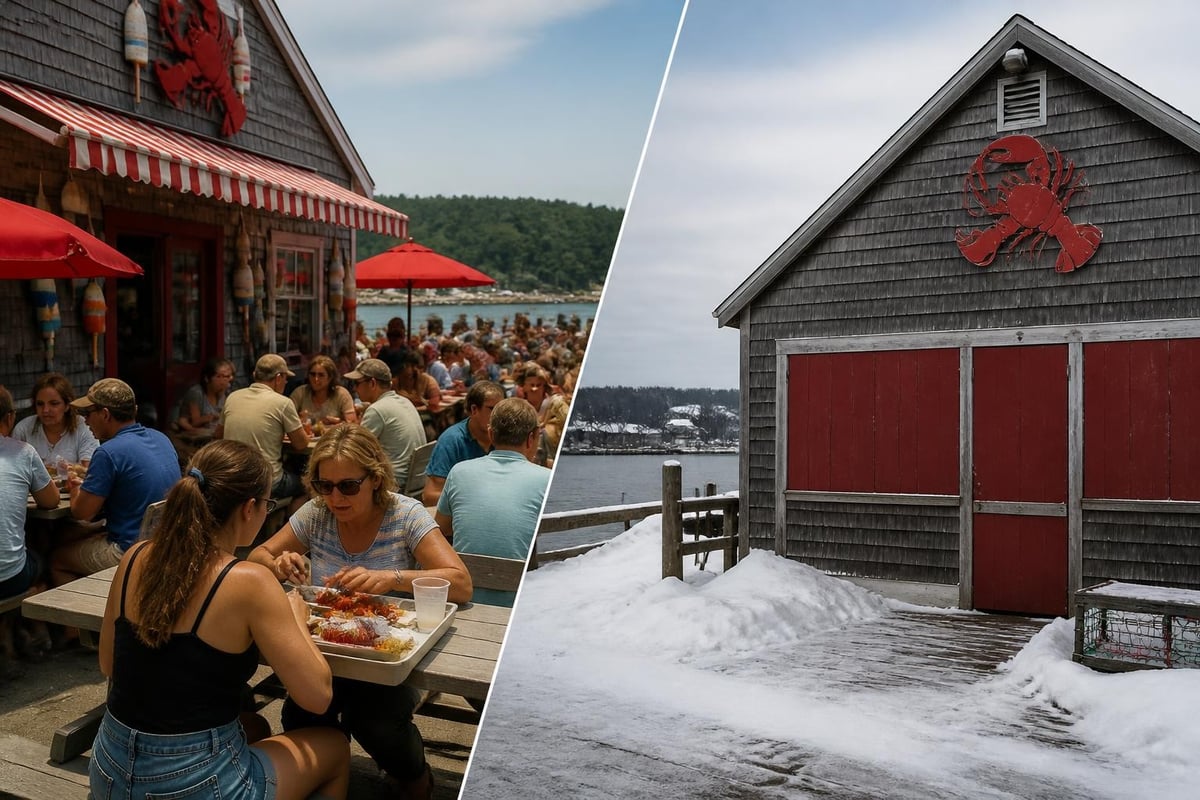
Maine lobster shacks operate on different schedules throughout the year. Peak season runs from Memorial Day through Columbus Day, when most shacks maintain full menus and extended hours. Some locations close entirely during winter months, while year-round establishments may reduce hours or limit menu offerings.
The Maine lobster industry follows natural seasonal patterns that affect availability and pricing. Summer typically brings abundant catches and slightly lower prices, while shoulder seasons may see reduced supply and premium pricing.
The Story Behind Your Lobster
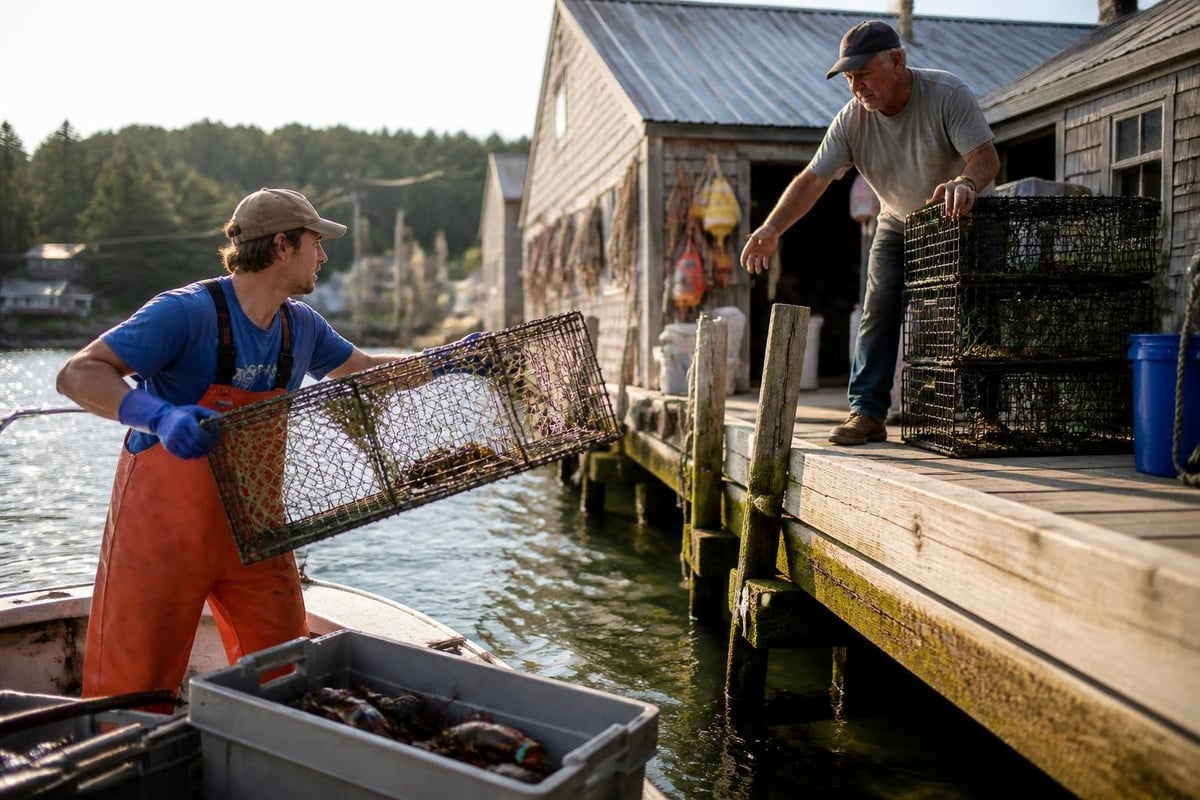
Understanding where your lobster comes from enriches the dining experience at maine lobster shacks. Maine’s lobster fishery represents one of the most sustainable and well-managed in the world, with strict regulations protecting both the resource and fishing communities.
Sustainable Practices
Maine lobstermen follow conservation measures that ensure future generations can enjoy this resource:
- V-notching: Egg-bearing females receive a notch in their tail and must be returned to the ocean
- Size limits: Minimum and maximum size restrictions protect juvenile and breeding lobsters
- Trap limits: Licensed harvesters face restrictions on trap numbers
- Seasonal considerations: Management adapts to population assessments
These practices explain why maine lobster shacks can consistently offer high-quality products year after year. The monitoring programs conducted by state agencies track population health and inform management decisions.
Planning Your Lobster Shack Visit
Successful lobster shack dining requires some strategic planning, especially during peak summer months when popular locations attract significant crowds.
Timing Strategies
Early arrival proves crucial at famous establishments. Many shacks open at 11:00 AM, and arriving before noon on summer weekends can save hours of waiting. Alternatively, late afternoon visits (3:00-4:30 PM) often encounter smaller crowds between lunch and dinner rushes.
Weekday visits generally provide more relaxed experiences than weekends. If your schedule allows flexibility, Tuesday through Thursday typically offers the best balance of full menu availability and manageable wait times.
What to Bring
- Cash: Many shacks remain cash-only or prefer cash payments
- Patience: Fresh food takes time to prepare
- Layers: Coastal weather changes quickly
- Wet wipes: Eating lobster is deliciously messy
- Appetite: Portions tend to be generous
Beyond the Lobster Roll
While lobster rolls dominate the conversation about maine lobster shacks, exploring other menu items reveals the full scope of Maine's seafood bounty. Whole steamed lobsters provide the quintessential hands-on experience, complete with bibs, crackers, and melted butter.
The Art of Eating Whole Lobster
First-timers often feel intimidated by whole lobsters, but shacks typically provide instructions and tools:
- Twist off the claws and crack them with the provided tool
- Separate the tail from the body by arching it until it detaches
- Extract tail meat by pushing it through the wider end
- Break the body to access meat from the joints
- Don't forget the knuckles-many consider this the sweetest meat
Shack staff generally welcome questions and often demonstrate proper technique for hesitant diners. This educational aspect adds to the authentic experience.
Regional Variations and Specialties
Different maine lobster shacks develop signature items and preparation styles that reflect their location and tradition. Coastal communities each bring unique influences to their seafood preparation, creating subtle variations worth exploring.
Some shacks specialize in seafood baskets-fried combinations of clams, scallops, shrimp, and fish served with fries and coleslaw. Others focus on shore dinners that recreate traditional New England clambakes with lobster, clams, mussels, corn, and potatoes steamed together.
Chowder variations also distinguish different establishments. While creamy New England clam chowder remains standard, some shacks offer lobster bisque, fish chowder, or seafood stew as alternatives.
The Economics of Lobster Shacks
Understanding pricing at maine lobster shacks helps set realistic expectations. Lobster prices fluctuate based on supply, demand, fuel costs, and seasonal factors. Summer typically sees the most favorable prices due to increased catch volumes.
Value Considerations
| Factor | Impact on Price | Consumer Strategy |
|---|---|---|
| Peak season | Lower prices | Visit June-August |
| Location | Tourist areas higher | Explore working harbors |
| Preparation | Rolls cost premium | Consider whole lobster |
| Portion size | Varies significantly | Ask before ordering |
| Sides included | Affects total value | Compare complete meals |
The commercial lobster fishery regulations influence supply chains and ultimately impact what you pay at the shack. Licensed harvesters, strict quotas, and sustainable practices ensure quality but also maintain certain price floors.
Pairing Your Meal
Most maine lobster shacks maintain focused beverage programs, though offerings vary considerably. Many locations allow BYOB (bring your own beverage), particularly wine or beer, though some provide licensed bars.
Classic pairings include:
- Local craft beers from Maine's thriving brewery scene
- Crisp white wines like Sauvignon Blanc or Chablis
- Sparkling wine for celebratory occasions
- Fresh lemonade or iced tea for non-alcoholic options
The casual atmosphere encourages relaxed enjoyment rather than strict pairing rules. The focus remains on the seafood itself.
Family-Friendly Aspects
Maine lobster shacks excel at accommodating families with children. The casual setting eliminates concerns about noise or mess, and most locations feature kid-friendly menu items beyond seafood. Chicken tenders, hot dogs, grilled cheese, and French fries appear on nearly every menu.
Educational opportunities abound at these establishments. Children can learn about marine ecosystems, sustainable fishing, and local food systems while enjoying their meal. Many shacks display educational materials about lobster biology and conservation, creating teachable moments.
Making the Most of Your Visit
Combining lobster shack dining with other coastal activities creates memorable day trips. The Dining Guide by Town helps visitors plan comprehensive itineraries that balance seafood experiences with other attractions.
Complementary Activities
Morning: Beach time or lighthouse visits
Midday: Early lobster shack lunch to beat crowds
Afternoon: Shopping, galleries, or nature trails
Evening: Sunset viewing from scenic overlooks
This approach allows you to experience the full richness of Maine's coastal culture rather than focusing solely on dining.
Insider Tips from Locals
Frequent visitors to maine lobster shacks develop strategies that enhance their experiences:
- Call ahead to check daily specials and current lobster prices
- Ask about the catch to learn what came in that morning
- Try lesser-known items like lobster stew or seafood casseroles
- Save room for whoopie pies or blueberry pie
- Take photos before eating because you'll be too messy afterward
Building rapport with staff often leads to insider recommendations about preparation styles or off-menu options. The community atmosphere encourages conversation and connection.
Accessibility and Accommodations
While many maine lobster shacks occupy historic buildings with rustic charm, accessibility varies considerably. Older establishments may have stairs, uneven surfaces, or limited parking. When planning visits for guests with mobility concerns, calling ahead to discuss specific needs proves helpful.
Common accessibility features:
- Paved parking areas
- Ramp access to dining areas
- Accessible restrooms
- Ground-level outdoor seating
- Staff assistance with ordering and carrying trays
More recently constructed or renovated shacks typically incorporate modern accessibility standards while maintaining traditional aesthetics.
Weather Considerations
Maine coastal weather profoundly affects the lobster shack experience. Fog, rain, wind, and temperature fluctuations require preparation and flexibility. Most shacks offer both indoor and outdoor seating, though outdoor spaces provide the most authentic atmosphere.
Summer conditions bring warm days perfect for al fresco dining, but also afternoon thunderstorms and cool ocean breezes. Spring and fall offer beautiful scenery and smaller crowds but require warm layers. Winter operations, where available, center around cozy indoor spaces with harbor views.
Checking weather forecasts and bringing appropriate clothing ensures comfort regardless of conditions. The changeable nature of coastal weather means conditions can shift within hours.
Supporting Local Communities
Patronizing maine lobster shacks directly supports coastal economies and traditional ways of life. These establishments employ local residents, purchase from nearby fishermen, and contribute to the character that makes Maine's coast special.
Many shacks operate as family businesses passed through generations, maintaining recipes and techniques that connect present-day diners with maritime history. Your visit helps preserve these traditions while supporting sustainable fishing practices and community vitality.
The interconnected nature of Maine's coastal economy means that dollars spent at lobster shacks ripple through fishing communities, supporting everything from boat maintenance to marine conservation programs that ensure future sustainability.
Experiencing authentic maine lobster shacks offers more than exceptional seafood-it connects you with Maine's maritime heritage, sustainable fishing traditions, and welcoming coastal communities. Whether you prefer classic lobster rolls or whole steamed lobsters, these casual waterfront establishments deliver unforgettable meals in spectacular settings. The Maine Beaches provides comprehensive resources to help you discover the best lobster shacks, plan perfect coastal itineraries, and explore everything this beautiful region offers beyond its famous seafood.