
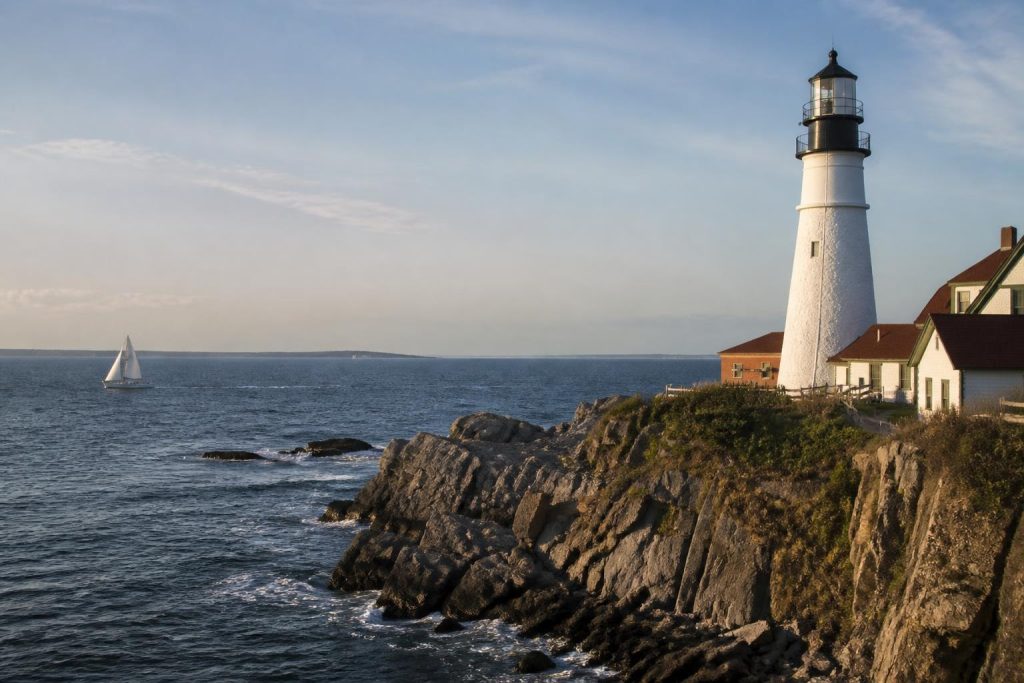
Maine’s rugged coastline stretches for over 3,400 miles when you account for all the inlets, bays, and peninsulas that make this state a maritime treasure. Along this dramatic shoreline stand more than 60 historic lighthouses, each one a sentinel guarding mariners against rocky shores and treacherous waters. When you visit Maine lighthouses, you’re not just seeing beautiful architecture-you’re experiencing living history, exploring engineering marvels, and connecting with the maritime heritage that shaped American coastal culture. These towering beacons offer some of the most spectacular coastal views in New England, making them essential stops for anyone exploring the region’s beaches and natural wonders.
Click here to view our official visitors guide.
Planning Your Maine Lighthouse Journey
The best time to visit Maine lighthouses spans from late May through October, when weather conditions are most favorable and access is easiest. Summer months bring longer daylight hours and warmer temperatures, though they also attract larger crowds. Early fall offers a sweet spot with fewer visitors, comfortable temperatures, and the added bonus of autumn foliage framing coastal views.
Key planning considerations include:
-
Ferry schedules for island lighthouses
-
Seasonal operating hours at visitor centers
-
Photography lighting conditions (golden hour timing)
-
Parking availability at popular sites
-
Weather patterns and fog conditions
Many lighthouses maintain limited winter hours or close entirely from November through April. Before setting out, check current accessibility status and tour availability. The Maine Secretary of State’s lighthouse resource provides updated information about visiting hours and special events.
Creating Your Lighthouse Itinerary
Southern Maine offers the highest concentration of accessible lighthouses, making it ideal for first-time visitors or those with limited time. You can realistically visit three to five lighthouses in a single day if you plan strategically. Northern routes require more driving time between sites but reward explorers with more remote, pristine settings.
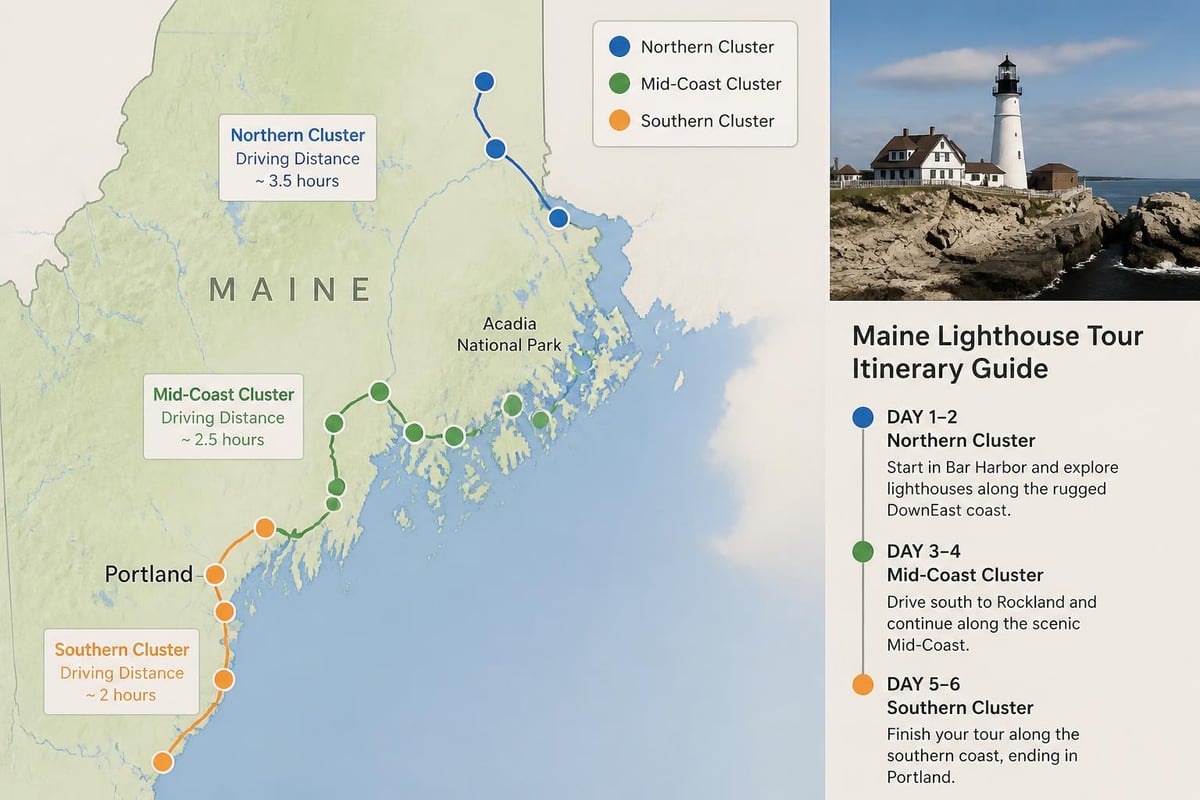
Consider grouping lighthouses by region rather than attempting to see them all in one trip. The coastline’s winding nature means straight-line distances are deceiving-what looks like 20 miles on a map might take 45 minutes to drive.
Iconic Southern Maine Lighthouses
Portland Head Light in Cape Elizabeth stands as Maine’s most photographed lighthouse and oldest, commissioned by George Washington in 1791. This magnificent structure sits within Fort Williams Park, offering exceptional walking paths, rocky beaches, and panoramic ocean views. The lighthouse museum provides fascinating insights into maritime history and keeper life.
York County Beacons
Nubble Light, officially Cape Neddick Light, ranks among the most recognizable lighthouses globally. Perched on a rocky island just offshore, it creates picture-perfect compositions from Sohier Park. The viewing area offers telescopes and interpretive panels explaining the lighthouse’s 1879 construction and ongoing operation.
Wood Island Light near Biddeford Pool requires a short boat ride but delivers an authentic island lighthouse experience. Summer tours operated by local preservation groups let visitors climb the tower and explore the keeper’s house. The surrounding wildlife refuge hosts nesting seabirds and harbor seals.
|
Lighthouse |
Year Built |
Height |
Access Type |
Best Feature |
|---|---|---|---|---|
|
Portland Head |
1791 |
80 feet |
Park access |
Historic museum |
|
Nubble Light |
1879 |
41 feet |
Shore viewing |
Iconic photography |
|
Wood Island |
1808 |
47 feet |
Boat tour |
Island experience |
|
Goat Island |
1833 |
25 feet |
Private grounds |
Architectural charm |
When you visit Maine lighthouses in this region, you’ll find excellent infrastructure for visitors. The area covered by The Maine Beaches includes several of these historic beacons, with detailed information available through their local guide to lighthouses that highlights the best viewing spots and access details.
Mid-Coast Lighthouse Adventures
The mid-coast region from Brunswick to Rockland contains some of Maine’s most dramatic lighthouse settings. These beacons guard approaches to major harbors and mark dangerous ledges that have challenged mariners for centuries.
Pemaquid Point Light towers above a stunning granite shoreline that looks like giant steps descending into the ocean. The Fisherman’s Museum housed in the former keeper’s dwelling displays maritime artifacts and explains local fishing heritage. The adjacent Pemaquid Art Gallery showcases works by regional artists inspired by coastal beauty.
Camden to Rockland Corridor
Owls Head Light sits atop a dramatic cliff overlooking Penobscot Bay. The short hike to reach it rewards visitors with sweeping water views and frequent seal sightings on nearby ledges. The grounds remain open year-round, though tower access is limited to special open house days.
Rockland Breakwater Light requires a memorable three-quarter mile walk along the granite breakwater extending into the harbor. This level walk takes 20-30 minutes each way and offers changing perspectives of Rockland Harbor and the surrounding mountains. The lighthouse at the end has been restored by a local preservation group that opens it for tours during summer months.
Tips for breakwater walking:
-
Wear sturdy, closed-toe shoes
-
Check weather before attempting
-
Bring water on hot days
-
Allow time for the return walk
-
Watch for uneven granite blocks
Marshall Point Light in Port Clyde gained fame as a filming location in the movie Forrest Gump. Beyond its Hollywood connection, this lighthouse offers exceptional sunset views and a small museum covering local maritime history. The boardwalk extending to the lighthouse makes for easy access and photography.
Island and Remote Lighthouse Experiences
Several Maine lighthouses occupy remote islands accessible only by boat, offering adventure beyond typical sightseeing. These journeys combine lighthouse visits with wildlife watching, island exploration, and maritime experiences that connect you to Maine’s seafaring traditions.
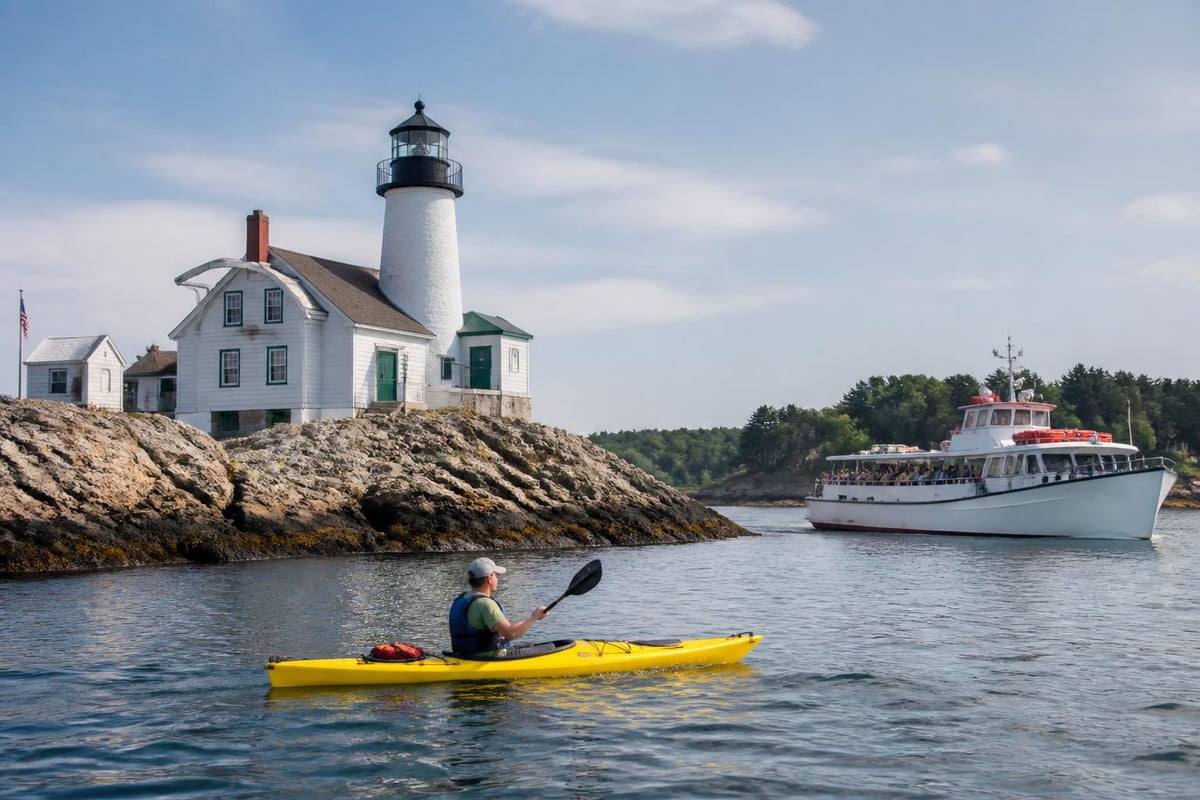
Seguin Island Light, standing 180 feet above the ocean on Maine’s highest lighthouse, requires a boat trip from Popham Beach or Bath. The island’s preservation association operates summer tours that include climbing the tower’s 53-foot ladder for unprecedented views. The island’s isolation and dramatic setting create an unforgettable experience.
Monhegan Island’s Lighthouse Legacy
Monhegan Island Light crowns this artistic community located ten miles offshore. The lighthouse itself is now automated, but the keeper’s house functions as an exceptional museum showcasing island life, maritime history, and natural history. The island’s network of hiking trails offers spectacular coastal scenery and artist colonies that have flourished here for over a century.
Regular ferry service from Port Clyde makes Monhegan accessible for day trips or overnight stays. The island maintains a car-free environment, preserving its peaceful character. When planning to visit Maine lighthouses on islands, factor in ferry schedules and weather conditions that might affect service.
According to maritime historians, Maine’s lighthouses played crucial roles in protecting vessels carrying lumber, granite, fish, and passengers during the state’s maritime golden age. The National Park Service maintains detailed inventories of these historic structures, recognizing their architectural and historical significance.
Lighthouse Photography and Best Viewing Times
Successful lighthouse photography requires understanding light conditions, tidal patterns, and seasonal factors. The best images often come from visiting the same lighthouse multiple times under different conditions rather than rushing through many sites once.
Optimizing Your Photography
Golden hour-the period shortly after sunrise or before sunset-bathes lighthouses in warm, directional light that enhances texture and creates long shadows. For Portland Head Light, sunrise from the eastern viewing areas creates spectacular backlighting, while Nubble Light shines during sunset from Sohier Park.
Photography preparation checklist:
-
Scout locations during midday for composition planning
-
Check tide charts for foreground rock exposure
-
Monitor weather for dramatic cloud formations
-
Bring wide-angle and telephoto lenses
-
Use tripods for low-light conditions
-
Research moon phases for night photography
Fog transforms lighthouses into mysterious, atmospheric subjects. While it obscures distant views, it creates moody images that capture the actual working conditions these beacons were built to overcome. Maine Public’s interactive lighthouse exploration features aerial footage showing how these structures appear from various perspectives and weather conditions.
Storm photography from safe viewing areas captures lighthouses in their element-warning mariners away from danger during rough seas. Never approach water’s edge during storms, and respect all barriers and warning signs.
Educational Programs and Special Events
Maine’s lighthouse preservation organizations offer educational programs that deepen understanding of maritime heritage and lighthouse technology. Many sites host special events throughout the year, from historical reenactments to art festivals celebrating coastal culture.
Maine Open Lighthouse Day
This annual September event provides rare access to normally closed lighthouses and towers. Coordinated by the American Lighthouse Foundation, the day features over 20 participating lighthouses opening their doors to visitors. Tower climbing, keeper demonstrations, and historical presentations make this premier event for lighthouse enthusiasts.
Planning ahead is essential as some locations have limited capacity and fill quickly. Arrive early at popular sites or focus on less-visited lighthouses for shorter wait times. The event has faced occasional challenges requiring enhanced safety measures, but preservation groups work diligently to ensure safe access.
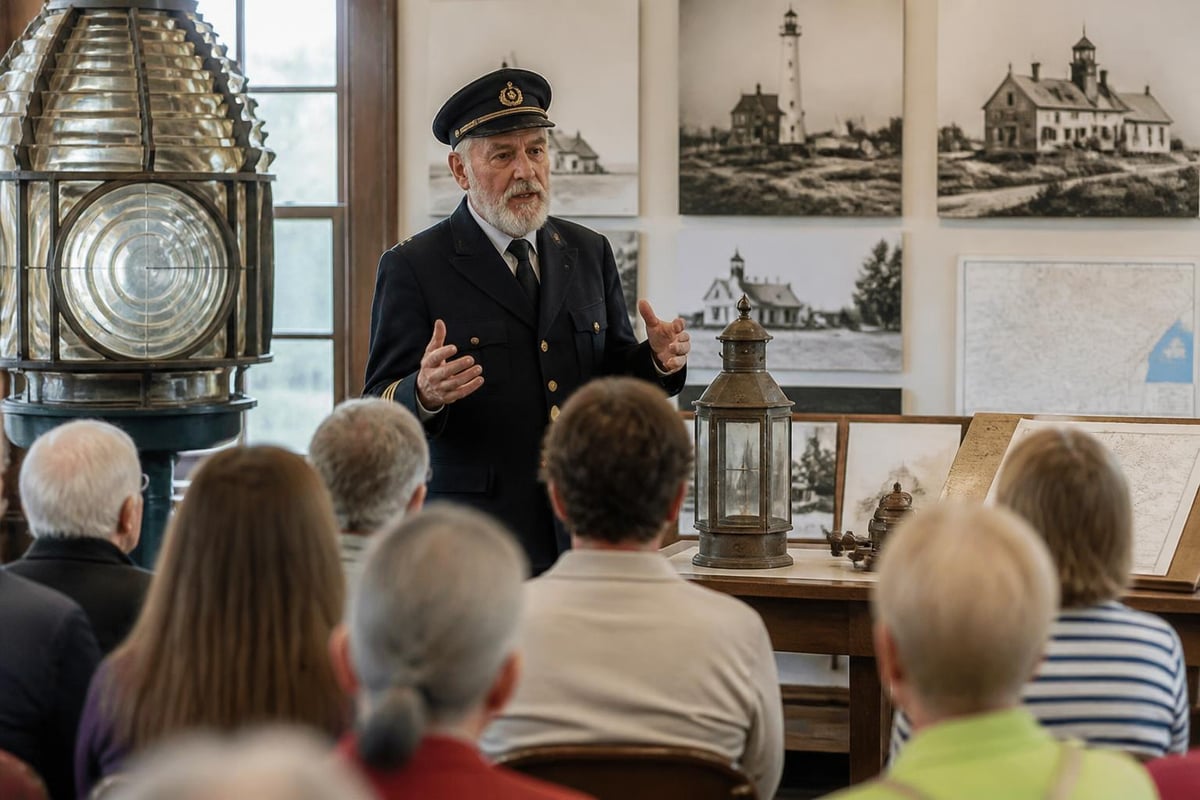
Junior lighthouse keeper programs at select sites teach children about lighthouse operation, maritime navigation, and coastal ecology. These hands-on experiences include activities like signal flag communication, lens demonstrations, and logbook keeping that bring history alive for young visitors.
Lighthouse Preservation and Support
Maintaining historic lighthouses requires significant resources, skilled craftspeople, and dedicated volunteers. Many lighthouses operate through partnerships between government agencies, non-profit preservation groups, and local communities.
When you visit Maine lighthouses, consider supporting preservation efforts through museum admissions, gift shop purchases, or direct donations. These contributions fund restoration projects, educational programs, and ongoing maintenance that keeps these historic structures safe and accessible.
Volunteer Opportunities
Several lighthouse organizations welcome volunteers for various roles including tour guides, grounds maintenance, special event support, and administrative tasks. The Maine Lights Program coordinates volunteer efforts across multiple sites, offering training and meaningful ways to contribute to preservation.
Lighthouse keeping opportunities exist at remote sites where volunteers commit to extended stays managing the property, conducting tours, and performing light maintenance. These unique positions attract retirement-age couples and individuals seeking immersive maritime heritage experiences.
Combining Lighthouse Visits With Coastal Activities
Maine’s lighthouses anchor broader coastal experiences that include beaches, seafood dining, hiking trails, and cultural attractions. Strategic planning lets you weave lighthouse visits into comprehensive coastal exploration.
Many southern Maine lighthouses sit near excellent beaches where you can swim, beachcomb, or simply relax between sites. Fort Williams Park surrounding Portland Head Light includes walking trails, historic fortifications, and picnic areas perfect for full-day visits. Similarly, Cape Neddick’s Nubble Light viewing area connects to Short Sands Beach, creating an ideal combination of lighthouse viewing and beach time.
Complementary coastal activities:
-
Harbor cruises offering lighthouse perspectives from the water
-
Kayak tours passing close to coastal beacons
-
Coastal hiking trails with lighthouse viewpoints
-
Fresh seafood at nearby fishing villages
-
Maritime museums and historical societies
-
Artisan galleries in lighthouse communities
The southern Maine region offers exceptional dining options that pair perfectly with lighthouse touring. After visiting lighthouses, you can explore the area’s culinary scene and discover why coastal Maine attracts food enthusiasts from around the world.
Historical Significance and Maritime Heritage
Maine’s lighthouses tell stories of American expansion, maritime commerce, and the keepers who dedicated their lives to saving others. Understanding how lighthouses shaped American history provides context for appreciating these structures beyond their photographic appeal.
The 19th century saw rapid lighthouse construction along Maine’s coast as shipping traffic increased. Lumber from Maine forests, granite from coastal quarries, and fish from offshore waters all required safe passage to markets. Lighthouses enabled this commerce, contributing to regional prosperity and national economic growth.
Keeper Stories and Daily Life
Lighthouse keepers lived isolated lives demanding constant vigilance and physical labor. Daily routines included cleaning lenses, maintaining foghorns, recording weather observations, and performing endless maintenance on buildings and equipment. Keeper families often lived at remote sites for years, with children educated by traveling teachers or correspondence courses.
Women keepers, though less common than men, served with distinction at Maine lighthouses. Their stories reveal determination and capability in managing complex lighthouse operations while often raising families in challenging circumstances. Museums at sites like Portland Head Light preserve these personal histories through photographs, journals, and artifacts.
Many experts and former keepers emphasize how automation changed lighthouse culture but didn’t diminish their importance to navigation or their value as historic landmarks. Modern technology has reduced the need for resident keepers, but preservation efforts ensure these structures continue serving as navigation aids and cultural touchstones.
Accessibility and Family-Friendly Lighthouse Sites
Not all lighthouse visits require strenuous hiking or boat trips. Several easily accessible sites welcome visitors of all ages and abilities, making lighthouse exploration achievable for families with young children, seniors, and those with mobility limitations.
Portland Head Light offers paved parking, level pathways to viewing areas, and accessible museum facilities. The surrounding park includes multiple viewing angles requiring minimal walking. Cape Neddick’s Nubble Light viewing area similarly provides convenient parking and level observation points with telescopes and seating.
Lighthouse Sites With Amenities
|
Site |
Parking |
Restrooms |
Accessibility |
Picnic Areas |
Beach Access |
|---|---|---|---|---|---|
|
Portland Head |
Excellent |
Yes |
High |
Yes |
Adjacent |
|
Spring Point Ledge |
Good |
Limited |
Moderate |
No |
Nearby |
|
Nubble Light |
Good |
Yes |
High |
Limited |
Adjacent |
|
Pemaquid Point |
Excellent |
Yes |
Moderate |
Yes |
Rocky shore |
Spring Point Ledge Light sits at the end of a 900-foot breakwater near South Portland’s Bug Light Park. The level granite walkway makes it accessible to most visitors, though those with mobility challenges should assess their comfort with the distance and uneven surface. The surrounding park offers benches, green space, and views of Portland Harbor’s shipping activity.
Planning considerations for family visits include timing around nap schedules, bringing snacks and water, and setting realistic expectations for how many sites you’ll comfortably visit. Two or three lighthouses make a full day when combined with beach time and meals. Young children often enjoy the adventure of exploring lighthouse grounds more than endless tower climbing.
Weather Considerations and Safety
Maine’s coastal weather changes rapidly, requiring flexible planning and appropriate preparation. Fog, wind, rain, and temperature variations all affect lighthouse visiting conditions and photography opportunities.
Coastal fog can roll in quickly, reducing visibility and creating damp, chilly conditions even in summer. While fog adds atmospheric drama to lighthouse photography, it makes tower climbing and breakwater walking more hazardous. Always prioritize safety over photography when conditions deteriorate.
Weather-related safety tips:
-
Check marine forecasts, not just general weather
-
Dress in layers with waterproof outer shells
-
Wear non-slip footwear on wet rocks
-
Respect all warning signs and barriers
-
Watch for rogue waves near water’s edge
-
Stay back from cliff edges, especially when wet
Wind intensifies on exposed lighthouse points and breakwaters. What feels like a gentle breeze inland can become a strong, sustained wind at coastal locations. This affects stability on uneven surfaces and makes umbrella use impractical.
Lightning poses serious danger at elevated lighthouse locations. If thunderstorms approach, immediately seek shelter in vehicles or substantial buildings. Never shelter under trees or in small structures. Postpone lighthouse visits if severe weather threatens.
Seasonal Lighthouse Experiences
Each season offers distinct advantages for lighthouse exploration. Understanding seasonal variations helps you choose the best timing for your interests and priorities.
Summer: Peak Season
Summer brings warm temperatures, long daylight hours, and full facility operations. Most lighthouse museums and gift shops maintain daily hours from Memorial Day through Labor Day. Tour boats to island lighthouses run regular schedules, and special events fill calendars.
The tradeoff for summer’s advantages is crowds at popular locations like Portland Head Light and Nubble Light. Parking fills early on weekends, and photography requires patience to capture lighthouse views without other visitors in frame. Arriving at sunrise or late afternoon minimizes crowd issues while providing better light.
Fall: Ideal Conditions
September and October deliver outstanding lighthouse visiting conditions. Comfortable temperatures, fewer crowds, and autumn foliage create exceptional photography opportunities. Maine Open Lighthouse Day in September provides special access, while October’s clear weather and lower humidity enhance distant views.
Many facilities reduce hours after Labor Day, so verify operating schedules before visiting. Some island lighthouses end ferry service in late September. Those flexible with timing will find fall rewards careful planning with the best overall experience.
Winter lighthouse visits appeal to hardy explorers seeking solitude and dramatic storm watching. Ice formations, snow-covered rocks, and powerful waves create spectacular scenes. However, limited facility hours, hazardous footing, and bitter cold require serious preparation. Several lighthouses close entirely from November through April.
Spring brings renewal to the coast with migrating birds, emerging wildflowers, and lengthening days. April and May see fewer visitors than summer but better accessibility than winter. Weather remains variable with frequent rain and fog, though this unpredictability creates diverse photography conditions.
Exploring Maine’s historic lighthouses offers connections to maritime heritage, spectacular coastal scenery, and memorable experiences along one of America’s most beautiful shorelines. Whether you’re photographing iconic beacons, learning about keeper history, or simply enjoying ocean views from these historic sites, lighthouse touring enriches any coastal visit. The Maine Beaches provides comprehensive resources to help you discover lighthouses alongside the region’s beaches, dining, and cultural attractions, ensuring you make the most of your Maine coastal adventure.