
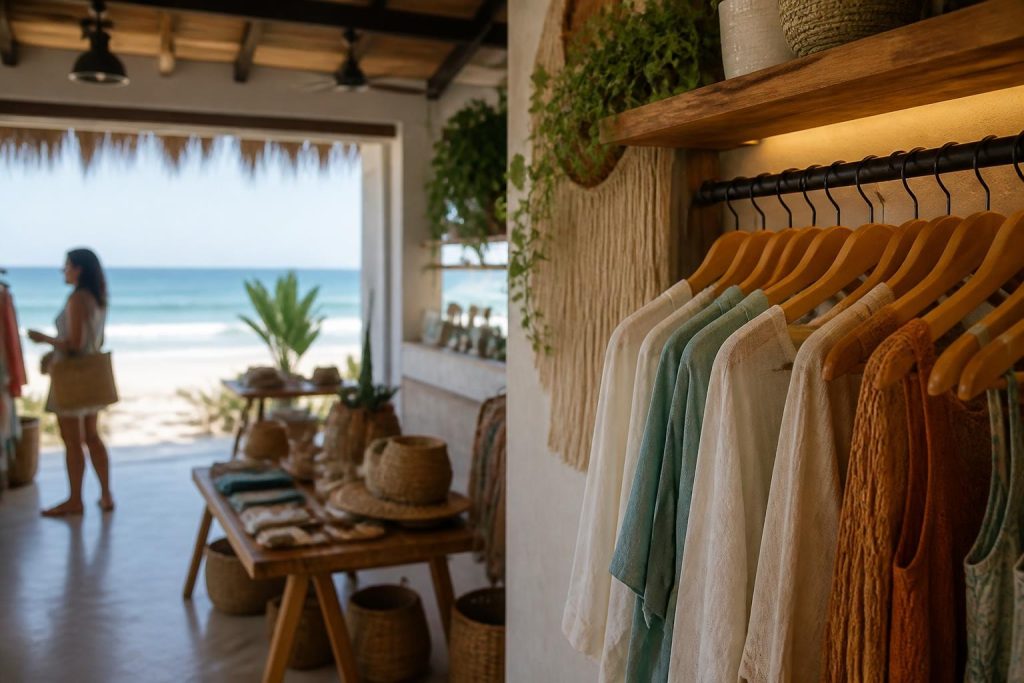
Shopping at the beach is one of the most distinctive retail experiences available to travelers. The coastal shopping scene blends vacation essentials with unique finds, creating a marketplace unlike any inland destination. From locally crafted souvenirs to high-end resort wear, beach towns offer a shopping adventure that captures the spirit of seaside living while meeting practical needs.
The Evolution of Coastal Retail
Beach shopping has transformed dramatically over the past decade. Traditional surf shops and generic souvenir stands have evolved into curated retail experiences that reflect the character of their coastal communities. Modern beach shopping districts now feature artisan galleries, sustainable fashion boutiques, and specialty stores that celebrate local culture.
This evolution reflects changing consumer preferences. Today's beach shoppers seek authentic experiences rather than mass-produced trinkets. They want products that tell a story, whether it's handcrafted jewelry from local artisans or eco-friendly beachwear made from recycled materials. Shore retail is evolving to meet these demands with specialty products and personalized service.
Understanding the Beach Shopping Landscape
The coastal retail environment operates differently from traditional shopping centers. Seasonal fluctuations significantly impact inventory, pricing, and availability. Peak summer months bring the widest selection, while shoulder seasons often feature deeper discounts and more personalized attention from shopkeepers.
Key characteristics of beach shopping include:
- Seasonal merchandise cycles tied to weather patterns
- Higher concentration of independent retailers and local businesses
- Integration of outdoor shopping experiences
- Emphasis on vacation-specific products and beach essentials
- Strong focus on regional craftsmanship and locally-made goods

Essential Categories for Beach Shoppers
Beachwear and Fashion
Shopping at the beach wouldn't be complete without updating your coastal wardrobe. The 2025-2026 season has brought fresh trends that combine style with functionality. Beachwear trends for 2025 showcase crochet cover-ups, vibrant color palettes, and versatile pieces that transition from beach to boardwalk.
Swimwear remains the cornerstone of beach fashion shopping. This year's collections emphasize designer logos, floral appliqués, and sustainable fabrics. Smart shoppers look for pieces that offer UV protection alongside fashionable designs. The right swimsuit can serve multiple purposes throughout a beach vacation, making it a worthwhile investment.
Footwear deserves special attention when shopping at coastal destinations. Sandal trends for 2025 highlight peep-toe styles and heeled thong designs that elevate casual beach looks. However, practical shoppers balance trendy pieces with comfortable walking sandals for exploring coastal towns.
| Beachwear Category | Essential Items | Price Range |
|---|---|---|
| Swimwear | Bikinis, one-pieces, board shorts | $40-$200 |
| Cover-ups | Kaftans, sarongs, beach dresses | $30-$150 |
| Footwear | Flip-flops, sandals, water shoes | $20-$120 |
| Accessories | Sun hats, beach bags, sunglasses | $15-$100 |
Beach Essentials and Gear
Beyond fashion, practical beach gear dominates shopping lists. Towels have evolved from simple terry cloth rectangles to design statements. Beach towel trends for 2025 include retro patterns, quick-dry microfiber materials, and oversized options perfect for lounging.
Sun protection products represent another crucial category. Beach shops stock specialized sunscreens formulated for water resistance and reef safety. Many coastal communities now require reef-safe formulations, making locally purchased sunscreen both convenient and environmentally responsible.
Must-have beach gear includes:
- High-quality beach chairs or portable seating
- Waterproof phone cases and dry bags
- Coolers designed for sand and saltwater environments
- Beach umbrellas or pop-up shade tents
- Snorkeling or water sports equipment
Navigating Local Boutiques and Specialty Stores
Small, independent retailers form the backbone of authentic beach shopping experiences. These boutiques offer carefully selected merchandise that reflects regional aesthetics and values. In Maine's coastal communities, for instance, you'll find stores specializing in nautical decor, maritime-themed artwork, and products featuring iconic lighthouses.
Local boutiques excel at providing personalized service. Shop owners often share insider knowledge about products, offer styling advice, and can special-order items. This level of attention creates connections between shoppers and communities that chain stores simply cannot replicate.
Supporting Sustainable Shopping Practices
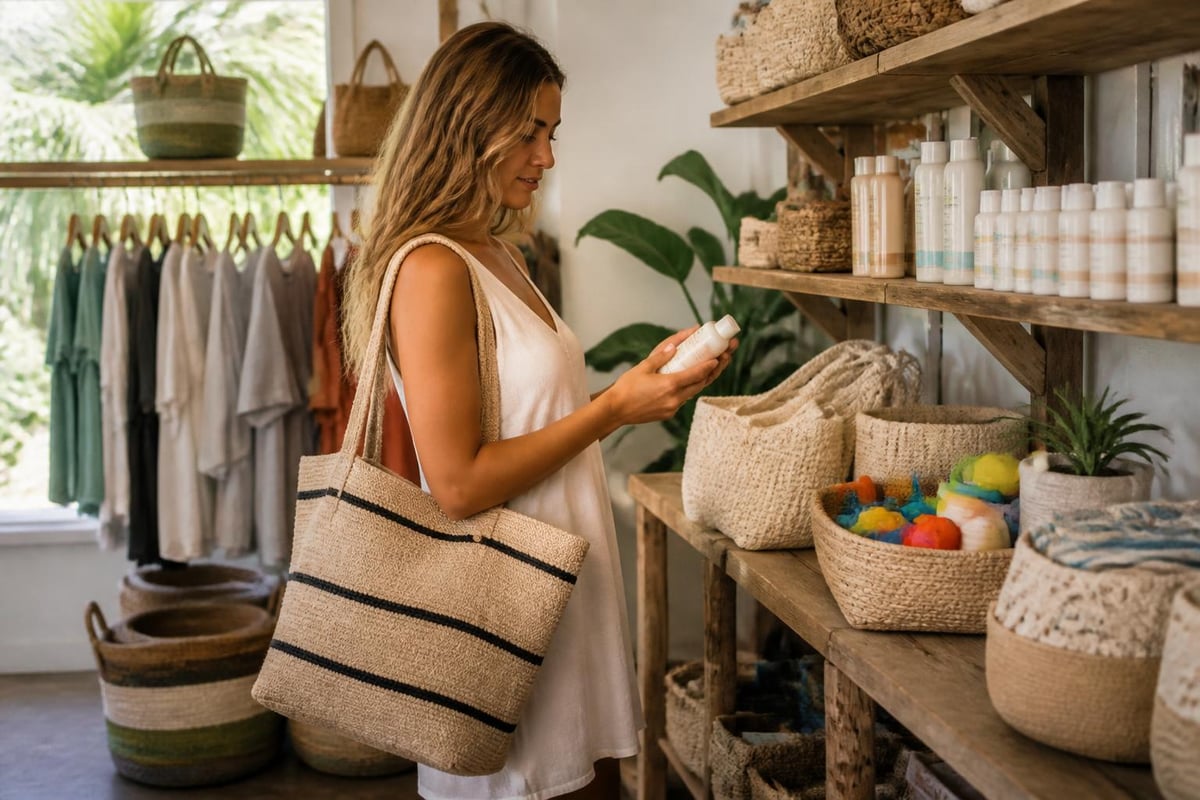
Environmental consciousness increasingly influences shopping at the beach. Eco-friendly products are in growing demand, prompting retailers to stock sustainable alternatives. Beach bags made from recycled materials, biodegradable beach toys, and organic cotton clothing now occupy prominent shelf space.
Sustainable shopping extends beyond product composition. Many beach towns encourage reusable shopping bags through incentive programs or bag fees. Some stores offer product refills for sunscreen, lotions, and cleaning supplies, reducing plastic waste while providing cost savings.
Souvenirs and Artisan Finds
Choosing Meaningful Mementos
The souvenir landscape has matured beyond mass-produced keychains and shot glasses. Today's beach shoppers seek meaningful items that capture vacation memories while supporting local economies. Handcrafted pottery, locally-authored books, and region-specific food products offer authentic connections to coastal destinations.
Photography and artwork represent premium souvenir categories. Local artists capture seascapes, wildlife, and architectural landmarks in ways that generic products cannot match. Original pieces or limited-edition prints become cherished reminders of special trips while supporting the creative community.
Popular artisan souvenir categories:
- Handmade jewelry featuring sea glass or local stones
- Wood carvings and driftwood sculptures
- Locally roasted coffee or specialty food items
- Hand-poured candles with coastal scents
- Textile arts including quilts and woven goods
For those planning extensive coastal exploration, having reliable connectivity helps locate the best shops and compare prices. A global travel eSIM like Umi ensures you stay connected throughout your beach adventures, making it easy to research stores, check reviews, and share finds with friends without worrying about roaming charges.
Understanding Pricing and Seasonality
Shopping at the beach often comes with premium pricing, particularly during peak tourist seasons. However, strategic shoppers can find excellent values through timing and negotiation. Early summer and late fall shoulder seasons frequently feature sales as retailers clear inventory or prepare for seasonal transitions.
Many coastal shops offer loyalty programs or email lists that provide advance notice of sales and exclusive discounts. Building relationships with shopkeepers can lead to insider information about upcoming promotions or new arrivals.
| Shopping Season | Typical Discounts | Best For |
|---|---|---|
| Memorial Day Weekend | 10-20% off | Early summer gear |
| Mid-July to August | Minimal discounts | Peak selection |
| Labor Day Weekend | 20-35% off | End-of-season sales |
| Off-season (Oct-Apr) | 40-60% off | Winter gear, decor |
Specialty Shopping Experiences
Markets and Festivals
Farmers markets and craft fairs create unique shopping opportunities in beach communities. These venues showcase local producers, from organic farmers to jewelry makers, in festive outdoor settings. Shopping at these events supports the local economy directly while offering products unavailable in traditional stores.
Seasonal festivals often incorporate shopping components alongside entertainment. These events celebrate regional culture, whether through seafood festivals, art walks, or historical commemorations. The combination of shopping and cultural experience creates memorable vacation moments.
The experiences available across Maine’s coastal region encompass much more than shopping alone, with activities ranging from lighthouse tours to water adventures that can be combined with retail therapy.
Antique and Vintage Shops
Coastal antique stores offer treasure hunts for shoppers seeking unique finds. Maritime antiques, vintage beach memorabilia, and nautical collectibles populate these shops. Serious collectors can discover rare items like ship models, vintage fishing equipment, or historical photographs.
Even casual browsers enjoy exploring antique shops for their eclectic atmosphere and storytelling opportunities. Each item carries history, and knowledgeable dealers love sharing provenance and context. These shops often feature affordable small items perfect for unique gifts or personal collections.

Practical Shopping Tips for Beach Destinations
Planning Your Shopping Strategy
Successful beach shopping requires some advance planning. Research shopping districts before arrival to identify must-visit stores and understand their hours. Many beach towns concentrate retail in walkable downtown areas, making it easy to explore multiple shops efficiently.
Strategic shopping tips:
- Visit shops early in the day during peak season to avoid crowds
- Bring reusable shopping bags to carry purchases and support sustainability
- Wear comfortable walking shoes, as beach shopping often involves extensive exploring
- Keep a list of gift recipients to guide souvenir purchases
- Take advantage of ship-home services for fragile or bulky items
Budget allocation deserves attention when shopping at the beach. Setting spending limits for different categories prevents impulse purchases from derailing vacation finances. However, allowing some flexibility for unexpected discoveries keeps the experience fun and spontaneous.
Navigating Tourist Traps
Not all beach shopping delivers authentic experiences. Learning to identify tourist traps helps maximize shopping satisfaction. Generic stores selling identical merchandise across multiple locations rarely offer the quality or value of independent retailers.
Price comparison becomes crucial in tourist-heavy areas. The same sunscreen or beach toy might cost significantly less at a local pharmacy than at a beachfront convenience store. Savvy shoppers balance convenience with value, stocking up on essentials at better-priced locations while reserving impulse purchases for unique items.
Shipping and Transportation Considerations
Getting Purchases Home
Acquiring wonderful items while shopping at the beach creates the pleasant problem of transportation. Many retailers offer shipping services, particularly for fragile items like glassware or bulky purchases like furniture. Comparing shipping costs against airline baggage fees often reveals shipping as the more economical option.
For international travelers or those visiting from distant states, understanding customs regulations and state tax policies prevents unpleasant surprises. Some states offer tax-free shopping on certain items, while others charge destination-based sales tax.
Transportation options for beach purchases:
- Retailer direct shipping services
- Pack-and-ship stores near shopping districts
- Airline checked baggage (consider size and weight limits)
- Shipping consolidated packages from vacation rentals
- Coordinating delivery with future visits to the area
Those exploring Maine’s best destinations will find shopping opportunities woven throughout the region, from Ogunquit's charming downtown to Kennebunkport's dock square boutiques.
The Future of Beach Shopping
Emerging Trends
The retail landscape continues evolving as shopping at the beach adapts to changing consumer preferences. Experiential retail grows in importance, with stores offering workshops, demonstrations, and interactive displays. Jewelry makers invite customers to create custom pieces, while food shops provide tastings and cooking classes.
Technology integration enhances rather than replaces traditional shopping. Mobile apps help shoppers locate specific products, compare prices, and access exclusive deals. Virtual try-on features for sunglasses and accessories reduce return rates while improving satisfaction.
Emerging beach retail trends include:
- Pop-up shops featuring rotating local artisans
- Subscription boxes for beach lifestyle products
- Virtual shopping appointments with personal stylists
- Augmented reality applications for home decor visualization
- Zero-waste refill stations for beach essentials
Coastal communities increasingly recognize shopping as integral to the visitor experience. Municipalities invest in beautifying shopping districts, improving walkability, and supporting small businesses through marketing initiatives and reduced regulations.
Balancing Tourism and Community
Successful beach shopping districts maintain equilibrium between serving tourists and meeting local needs. Year-round residents require grocery stores, hardware shops, and service providers alongside vacation-oriented retailers. The healthiest shopping areas blend both constituencies, creating vibrant communities rather than seasonal ghost towns.
Community-focused retailers often provide the most authentic shopping experiences. Stores that have served locals for generations understand regional preferences and maintain higher quality standards than purely tourist-oriented operations. These businesses offer insights into local culture that enhance any beach vacation.
Maximizing Your Beach Shopping Experience
Creating Lasting Memories
Shopping at the beach transcends mere acquisition of goods. It becomes part of the vacation narrative, creating stories and memories that endure long after items wear out or break. The handmade bowl purchased from a local potter reminds you of conversations with the artist. The vintage postcard discovered in an antique shop sparks memories of exploration and discovery.
Documenting shopping experiences through photos, journals, or social media preserves these memories. Many shoppers create visual inventories of purchases, capturing not just the items but the stores, shopkeepers, and context surrounding each acquisition. These records become valuable references for future trips and gift-giving occasions.
The social aspect of beach shopping enhances enjoyment. Exploring shops with family or friends creates shared experiences and facilitates group decision-making. Even solo shoppers often strike up conversations with fellow browsers or knowledgeable staff, adding human connection to retail therapy.
Integrating Shopping with Other Activities
The best beach vacations balance shopping with diverse experiences. Morning beach time might transition to afternoon shopping when the sun peaks, creating natural rhythm to vacation days. Evening shopping in pedestrian districts often coincides with dining and entertainment, maximizing efficiency while maintaining relaxation.
Combining shopping with cultural activities enriches both experiences. Art galleries often adjoin shops selling artist-created merchandise. Historical districts feature museums alongside antique stores selling period-appropriate items. This integration deepens understanding and appreciation of coastal communities.
Shopping at the beach offers far more than simple retail transactions-it provides windows into coastal culture, supports local economies, and creates lasting vacation memories. Whether you're seeking the perfect swimsuit, unique artisan crafts, or sustainable beach gear, coastal shopping districts deliver experiences unavailable anywhere else. Start planning your Maine coastal adventure with The Maine Beaches, your comprehensive resource for discovering everything this stunning region offers, from pristine beaches and cultural attractions to unforgettable shopping experiences in charming seaside communities.