
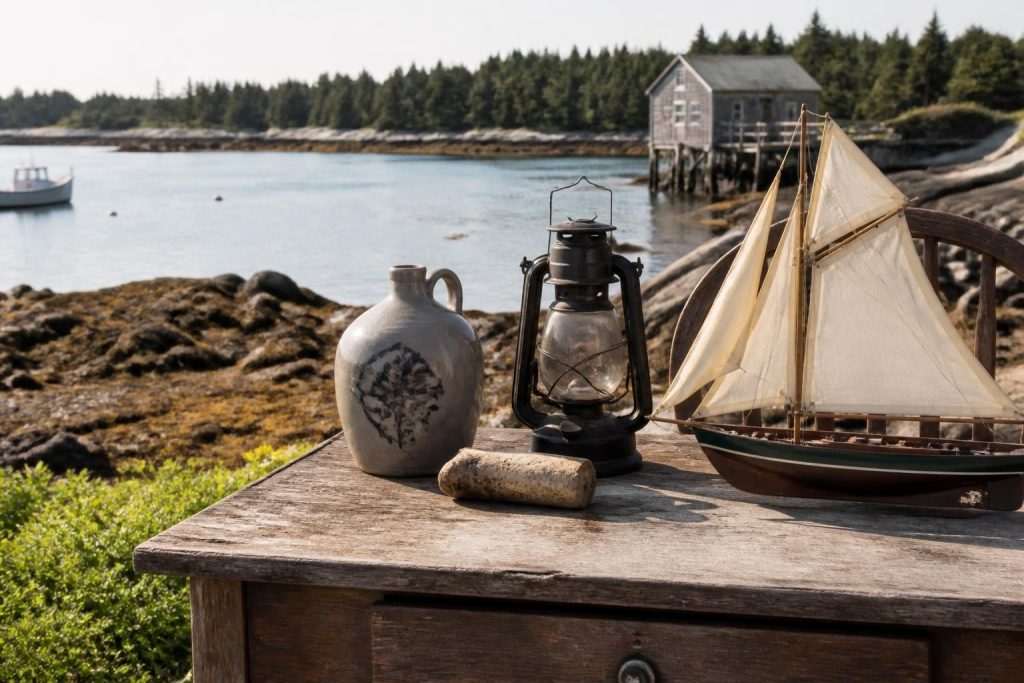
Maine’s rich maritime history and colonial heritage have created a thriving antique scene that attracts collectors and casual browsers alike. The state’s coastal towns and inland villages host an impressive array of antique stores, each offering unique treasures that reflect the region’s cultural legacy. Whether you’re searching for Shaker furniture, vintage nautical items, or Victorian-era collectibles, antique stores Maine wide provide endless opportunities for discovery. This guide explores the diverse landscape of Maine’s antique market, from sprawling multi-dealer emporiums to specialized boutiques tucked away in historic buildings.
Click here to view our official visitors guide.
Understanding Maine’s Antique Market
The Pine Tree State has earned its reputation as a premier antique destination for several compelling reasons. Maine’s geographic location along the northeastern seaboard means that colonial-era antiques such as Shaker and maritime pieces are particularly abundant here. The state’s shipbuilding history and early settlement patterns contribute to an impressive concentration of authentic period pieces.
Regional Specialties Across the State
Different areas of Maine offer distinct antique specialties based on their historical industries and settlement patterns. Coastal regions naturally feature more maritime artifacts, nautical instruments, and ship salvage items. Inland communities showcase agricultural implements, Shaker furniture, and early American household goods.
The southern coastal region contains numerous antique stores where you can find:
-
Colonial furniture and decorative arts
-
Vintage beach memorabilia and postcards
-
Maritime navigation tools and ship models
-
Victorian-era jewelry and accessories
-
Mid-century modern pieces from summer cottages
Central and northern Maine dealers often specialize in logging industry artifacts, French-Canadian folk art, and rustic country furnishings that reflect the region’s lumber heritage.
Major Antique Destinations Worth Visiting
Portland stands as Maine’s antique capital, hosting several major venues that attract collectors from across New England. The Portland Antiques Mall represents the state’s largest antique destination, featuring over 75 quality dealers under one roof. This central location makes it convenient for visitors exploring the city’s vibrant waterfront district.
Multi-Dealer Emporiums
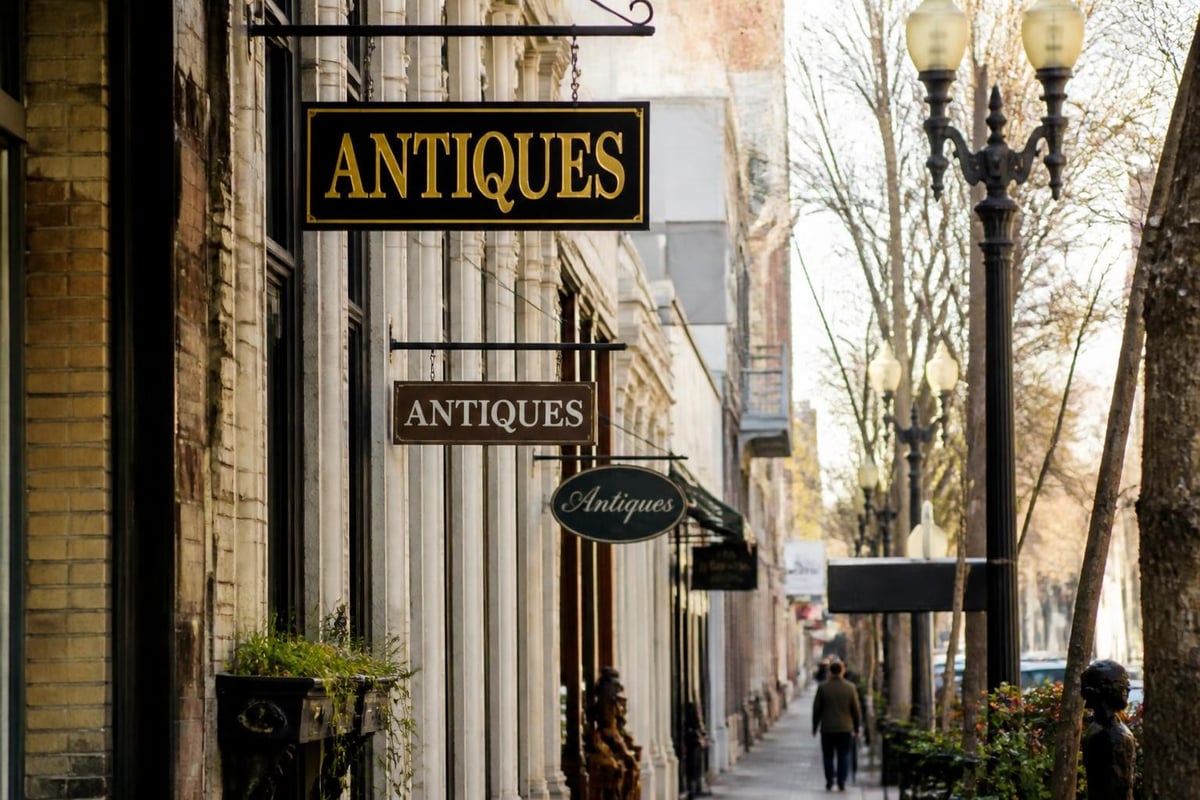
Multi-dealer antique malls offer the most efficient shopping experience, allowing you to browse hundreds of vendors in a single visit. Dunbar & Sons LLC in Limington operates over 10,000 square feet of display space representing more than 70 independent vendors. This model benefits shoppers by providing tremendous variety while supporting smaller dealers who might not operate standalone stores.
Maine Antiques Malls operates multiple locations across the state, bringing together over 500 trusted vendors. Their Fairfield and Portland locations offer thousands of unique finds, from fine art to folk collectibles. The organization creates a curated shopping environment where quality standards ensure authentic pieces.
For visitors traveling through central Maine, the Central Maine Antique Mall in Bangor specializes in period antiques from the 1800s and 1900s. Their diverse inventory includes furniture, fine art, and collectibles that represent the region’s historical depth.
Seasonal Shopping Strategies
Timing your antique hunting expeditions can significantly impact what you find. According to industry experts, fall is the ideal season for antique shopping as dealers refresh their inventory after the summer tourist season. This period offers wider variety and better selections as dealers acquire new pieces from estate sales and auctions.
Best Times to Visit Antique Stores Maine
|
Season |
Advantages |
What to Expect |
|---|---|---|
|
Spring |
Fresh estate inventory |
Higher prices, competitive buyers |
|
Summer |
Extended hours, full inventory |
Crowded stores, tourist focus |
|
Fall |
Dealer refresh, new pieces |
Best selection, motivated sellers |
|
Winter |
Negotiation opportunities |
Limited hours, smaller inventory |
Early weekend mornings typically offer the best shopping experience before crowds arrive. Many serious collectors arrive when doors open to catch newly displayed items. Weekday visits provide more personalized attention from dealers and opportunities for in-depth conversations about provenance and history.
Hidden Gems in Coastal Communities
Beyond the major antique malls, smaller coastal towns host charming independent dealers with carefully curated collections. Freeport, famous for its outlet shopping, also features the Freeport Emporium, which houses over 150 dealers across three floors. The location just off U.S. Route 1 makes it convenient for visitors exploring best places in Maine.
Exploring Southern Maine’s Antique Scene
Scarborough hosts Gurley Antiques Gallery, where 36 independent dealers offer quality antiques spanning the 18th through 20th centuries. This concentration of specialized dealers creates opportunities to find museum-quality pieces alongside affordable vintage items perfect for decorating coastal vacation homes.
The southern Maine beaches region offers unique advantages for antique shoppers. After browsing vintage treasures, visitors can enjoy the area’s shopping experiences that blend antique hunting with contemporary boutiques and artisan galleries. This combination makes for perfect day trips that satisfy diverse interests.
Specialty Dealers and Niche Collections
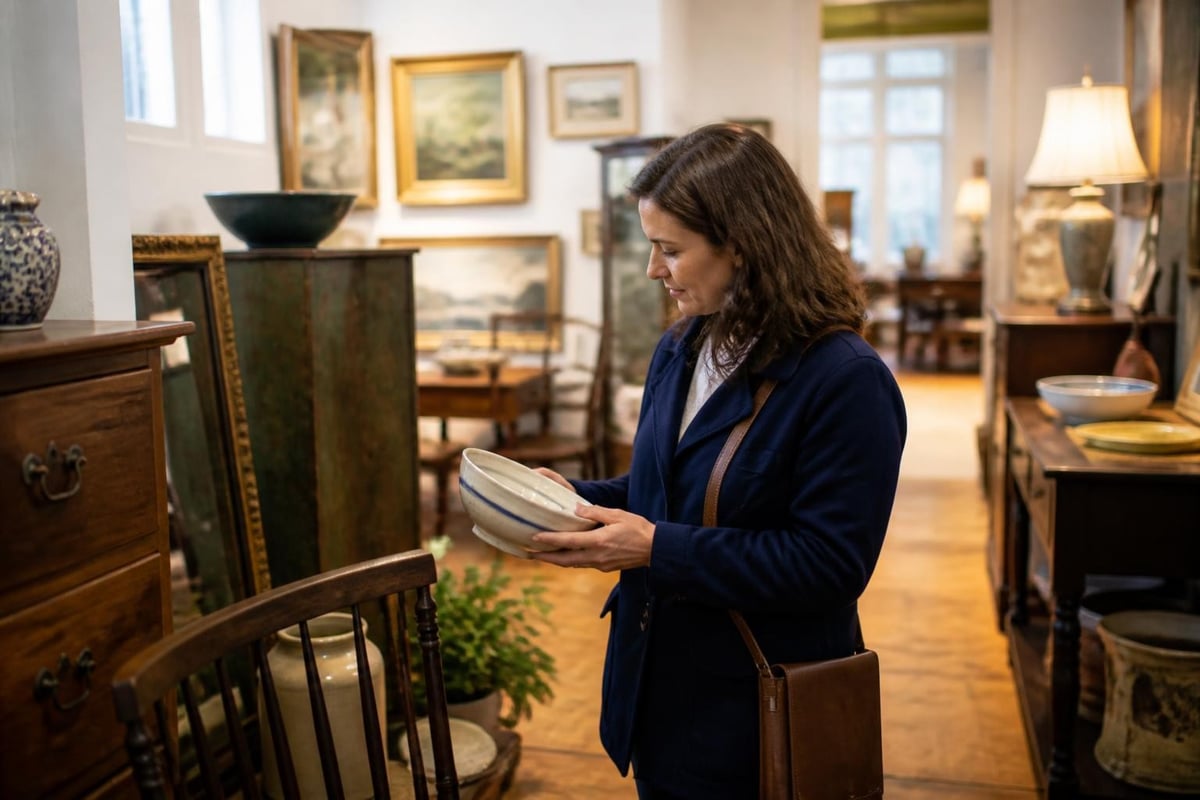
Waterville’s Hathaway Mill Antiques exemplifies how Maine’s industrial heritage creates unique antique venues. Located in a beautifully restored textile mill, this multi-dealer emporium features over 75 high-quality displays. The building itself represents architectural history while housing treasures from multiple eras.
What Makes Maine Antiques Unique
Maine dealers often specialize in items you won’t find elsewhere:
-
Maritime artifacts: Ship wheels, brass navigation tools, lighthouse lenses
-
Shaker furniture: Simple, functional designs from Maine’s historic communities
-
Folk art: Weathervanes, decoys, primitive paintings
-
Victorian summer cottage items: Wicker furniture, vintage linens, china patterns
-
Early tools: Logging equipment, farm implements, maritime carpentry tools
These specialties reflect Maine’s cultural history and create opportunities for collectors seeking authentic regional pieces. The provenance stories attached to Maine antiques often trace back to prominent shipbuilding families, early settlers, or historic estates.
Authentication and Quality Considerations
When shopping antique stores Maine wide, understanding how to evaluate authenticity protects your investment and ensures satisfaction. Reputable dealers provide detailed provenance information and honest assessments of condition and restoration work.
Key Factors to Examine
Construction methods reveal age and authenticity. Hand-cut dovetails, mortise-and-tenon joints, and hand-forged hardware indicate earlier periods. Machine-cut elements suggest post-1850s manufacture. Wood patina develops naturally over decades and cannot be easily replicated.
Maker’s marks on furniture, silver, and ceramics help establish origin and date. Maine-made pieces sometimes bear local craftsman signatures or regional characteristics that knowledgeable dealers can identify.
|
Item Category |
Authentication Points |
Red Flags |
|---|---|---|
|
Furniture |
Hand-cut joinery, natural patina |
New screws, fresh stain, perfect condition |
|
Maritime Items |
Wear patterns, salt corrosion |
Artificial aging, reproduction hardware |
|
Textiles |
Natural fiber wear, period stitching |
Synthetic materials, machine hems |
|
Art/Prints |
Paper aging, frame consistency |
Crisp printing, modern matting |
Ask dealers about return policies and authenticity guarantees. Established antique stores Maine visitors frequent typically stand behind their merchandise and maintain reputations built over years or decades.
Negotiation and Pricing Insights
Understanding pricing dynamics helps you secure fair deals while respecting dealers’ expertise and overhead costs. Multi-dealer malls typically have less negotiating flexibility than independent stores since booth vendors may not be present during your visit.
Effective Negotiation Approaches
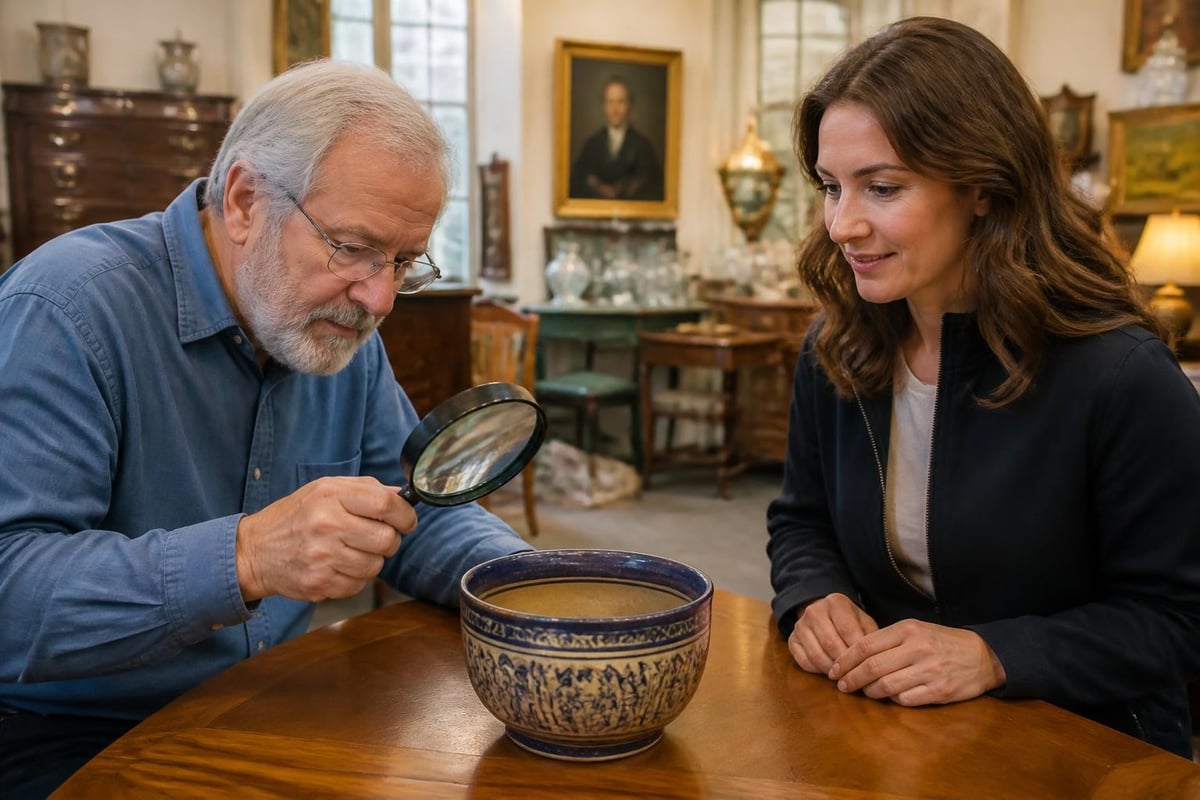
Building relationships with dealers yields better results than aggressive bargaining. Show genuine interest in items and ask informed questions about history and provenance. Dealers appreciate knowledgeable customers and often share insider information about upcoming inventory.
-
Buy multiple items from the same dealer to justify discounts
-
Visit during slower seasons when dealers are more motivated
-
Ask about imperfections that might justify price reductions
-
Research comparable sales to understand fair market value
-
Be respectful of dealers’ expertise and business needs
Cash purchases sometimes warrant modest discounts since dealers avoid credit card processing fees. However, cards provide purchase protection and documentation valuable for insurance and resale purposes.
Planning Your Antique Shopping Adventure
Successful antique hunting requires preparation and flexibility. Create a prioritized list of desired items while remaining open to unexpected discoveries. Some of the best finds happen when you stumble upon pieces you didn’t know you needed.
Essential Planning Steps
-
Research dealers online before visiting to understand specialties
-
Map efficient routes connecting multiple stores in geographic clusters
-
Check operating hours as many dealers keep seasonal schedules
-
Bring measurements for furniture or items that must fit specific spaces
-
Pack carefully with blankets, tape, and boxes for transporting purchases
-
Budget realistically including time for browsing and discovery
Combining antique shopping with other coastal activities creates memorable trips. The Maine Beaches region offers beautiful scenery, excellent dining, and cultural attractions that complement a day of treasure hunting. Many visitors plan multi-day itineraries that balance antique browsing with beach time and lighthouse exploration.
Shipping and Transportation Solutions
Large furniture pieces and fragile items require careful transportation planning. Many antique stores Maine dealers offer shipping services or can recommend reliable packers experienced with valuable antiques.
Transportation Options
Professional shipping companies specializing in antiques provide insurance coverage and proper packing materials. Costs vary based on size, distance, and insurance value, but typically range from $200 to $1,000 for furniture pieces.
Personal vehicle transport works well for smaller items when you bring adequate packing supplies. Blankets, bubble wrap, and rope or straps protect pieces during transit. Remove drawers from furniture and transport them separately to prevent damage.
Local delivery services operate in most Maine communities, offering economical solutions for regional transport. Dealers often maintain relationships with these services and can arrange delivery for reasonable fees.
Building Your Collection Over Time
Developing an antique collection requires patience, education, and strategic planning. Focus on areas that genuinely interest you rather than purely investment potential. The most satisfying collections reflect personal taste while telling coherent stories about periods, styles, or functions.
Collection Development Strategies
Start with smaller, affordable pieces while developing your eye for quality and authenticity. Attend auctions, read reference books, and visit museums to deepen your knowledge. Many antique stores Maine collectors frequent offer educational opportunities through dealer conversations and inventory exploration.
Document your purchases with photographs, receipts, and provenance information. This documentation proves invaluable for insurance purposes and adds value when eventually selling or passing pieces to heirs.
Specialization versus eclectic collecting represents a fundamental choice. Specialized collections focusing on specific periods, makers, or item types often appreciate more reliably. Eclectic approaches allow greater flexibility and personal expression but require more careful curation to maintain coherence.
Connecting with Maine’s Antique Community
Maine’s antique dealers form a tight-knit community characterized by knowledge sharing and mutual respect. Many dealers belong to professional organizations that establish ethical standards and promote authentic merchandise.
Community Resources
Antique shows and fairs occur throughout Maine during warmer months, bringing together dozens of dealers in temporary venues. These events offer concentrated shopping opportunities and chances to compare prices across multiple vendors simultaneously.
Online forums and social media groups connect Maine antique enthusiasts, sharing finds, asking authentication questions, and announcing special sales. These digital communities complement in-person shopping by providing ongoing education and networking.
Estate sales represent significant sources for both dealers and individual collectors. Arriving early and understanding sale rules maximize your chances of securing desirable items before dealers acquire them for resale.
Exploring antique stores Maine offers rewards visitors discover through patient browsing, knowledgeable conversations, and the thrill of uncovering hidden treasures that connect us to the past. Whether you’re furnishing a coastal cottage, building a serious collection, or simply enjoying the hunt, Maine’s diverse antique market provides endless possibilities. The Maine Beaches helps you plan comprehensive coastal visits that combine antique shopping with all the natural beauty, dining, and cultural experiences that make Maine unforgettable. Start planning your antique adventure today and discover the stories waiting in Maine’s remarkable collections.