

When travelers say "lighthouse me," they're expressing a universal desire to experience the iconic coastal beacons that define Maine's maritime heritage. These towering structures represent more than navigational aids – they embody stories of perseverance, maritime history, and breathtaking coastal scenery. Maine boasts 65 historic lighthouses along its rugged coastline, making it a premier destination for lighthouse enthusiasts and casual visitors alike. Whether you're a photography buff, history lover, or simply seeking stunning ocean views, Maine's lighthouses offer unforgettable experiences. Click here to view our official visitors guide: https://themainebeaches.com/top-destinations/visitor-guide/
Understanding the Lighthouse Me Movement
The phrase "lighthouse me" captures a modern approach to coastal exploration where travelers actively seek authentic lighthouse experiences. Rather than passive sightseeing, this movement emphasizes personal connection with these historic structures.
What Drives the Lighthouse Passion
Lighthouse enthusiasts are drawn to these beacons for various compelling reasons. The architectural beauty alone attracts thousands of visitors annually, with each structure featuring unique design elements reflecting different eras and engineering approaches.
Key attractions include:
- Historical significance dating back to the 18th and 19th centuries
- Dramatic coastal settings with unparalleled ocean views
- Photography opportunities at sunrise and sunset
- Maritime heritage stories and keeper traditions
- Architectural diversity from classic to Victorian styles
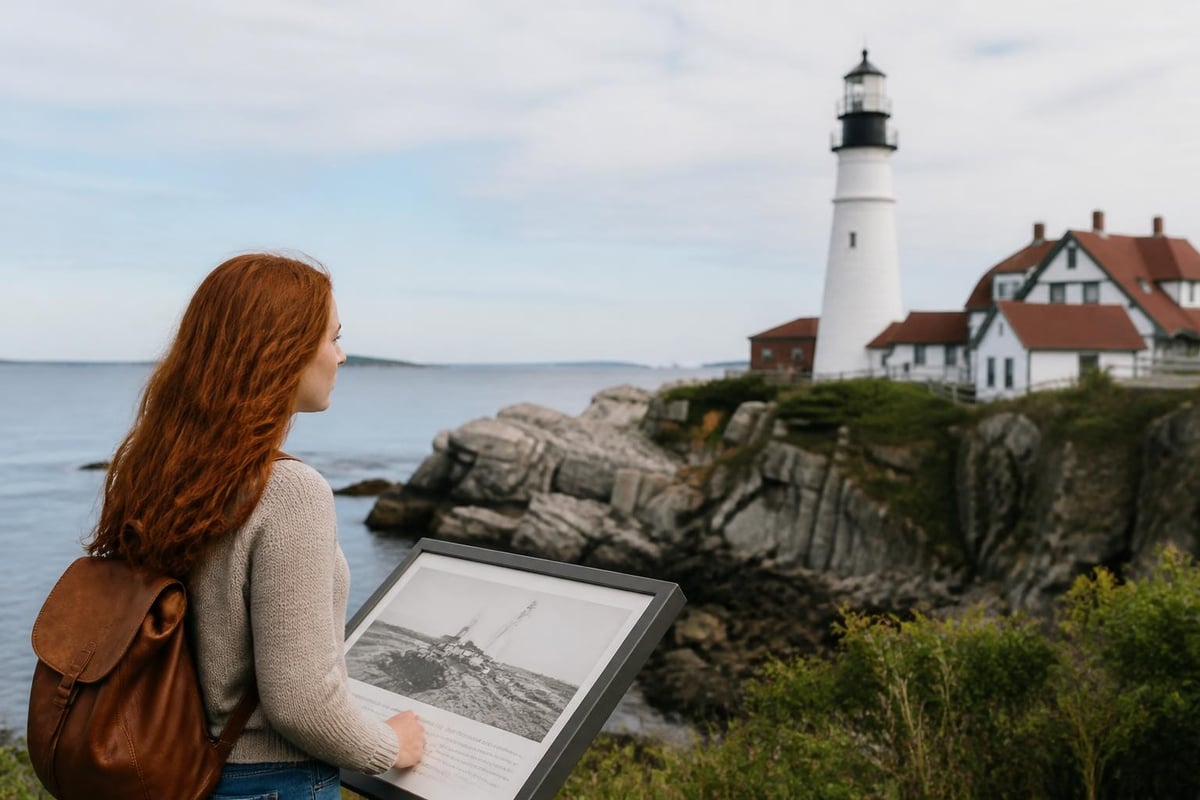
The lighthouse me philosophy encourages visitors to go beyond simple photo opportunities. It means understanding the keeper's life, appreciating the engineering marvels, and connecting with the coastal environment that made these structures essential.
The Cultural Significance of Coastal Beacons
According to the Cambridge Dictionary definition of lighthouse, these structures serve as tall buildings near the coast with flashing lights to warn ships of dangers. However, their cultural importance extends far beyond this functional purpose.
Maine's lighthouses have inspired artists, writers, and musicians for generations. The maritime heritage they represent connects modern visitors to centuries of coastal life, fishing traditions, and navigation history.
| Lighthouse Type | Era Built | Primary Function | Visitor Access |
|---|---|---|---|
| Coastal Warnings | 1700s-1800s | Rocky shore navigation | Limited |
| Harbor Guides | 1800s-1900s | Port entry assistance | Public access |
| Island Beacons | 1820s-1890s | Offshore warnings | Boat access only |
| Automated Towers | 1900s-present | Modern navigation | Varies by location |
Planning Your Lighthouse Me Journey
Successfully experiencing Maine's lighthouses requires thoughtful planning and realistic expectations about access, timing, and seasonal considerations.
Choosing Your Lighthouse Route
The southern Maine beaches region offers exceptional lighthouse accessibility for first-time visitors and experienced enthusiasts alike. Strategic route planning maximizes your lighthouse me experience while allowing time to appreciate each location fully.
Popular lighthouse corridors include:
- The York Coast Route – Features easily accessible beacons with parking and walking paths
- The Kennebunk Shore Drive – Combines lighthouse viewing with scenic coastal roads
- The Portland Head Circuit – Includes Maine's most photographed lighthouse and surrounding areas
- The Casco Bay Island Tour – Offers boat-based lighthouse viewing for offshore structures
When planning your lighthouse me adventure, consider visiting during shoulder seasons (May-June or September-October) when crowds are smaller but weather remains pleasant. Summer months bring peak visitation but also the best weather conditions for boat tours and extended exploration.
Accessibility and Viewing Options
Not all Maine lighthouses offer the same level of public access. Understanding these differences helps set appropriate expectations and ensures a successful visit.
Some lighthouses function as museums with interior tours, while others only permit exterior viewing from designated areas. Island lighthouses require boat transportation, and several remain active Coast Guard facilities with restricted access.
Access categories breakdown:
- Full access: Grounds, tower, and keeper's house open to public
- Grounds only: Exterior viewing with walking paths
- Distant viewing: Visible from roads, beaches, or overlooks
- Boat required: Island locations accessible only by water
The lighthouse me approach values quality over quantity. Rather than rushing between multiple locations, dedicate sufficient time at each stop to explore surrounding trails, read historical markers, and absorb the coastal atmosphere.
Photography and Documentation Strategies
Capturing lighthouse memories extends beyond smartphone snapshots. Thoughtful photography enhances your lighthouse me experience and creates lasting documentation of these historic structures.
Optimal Lighting Conditions
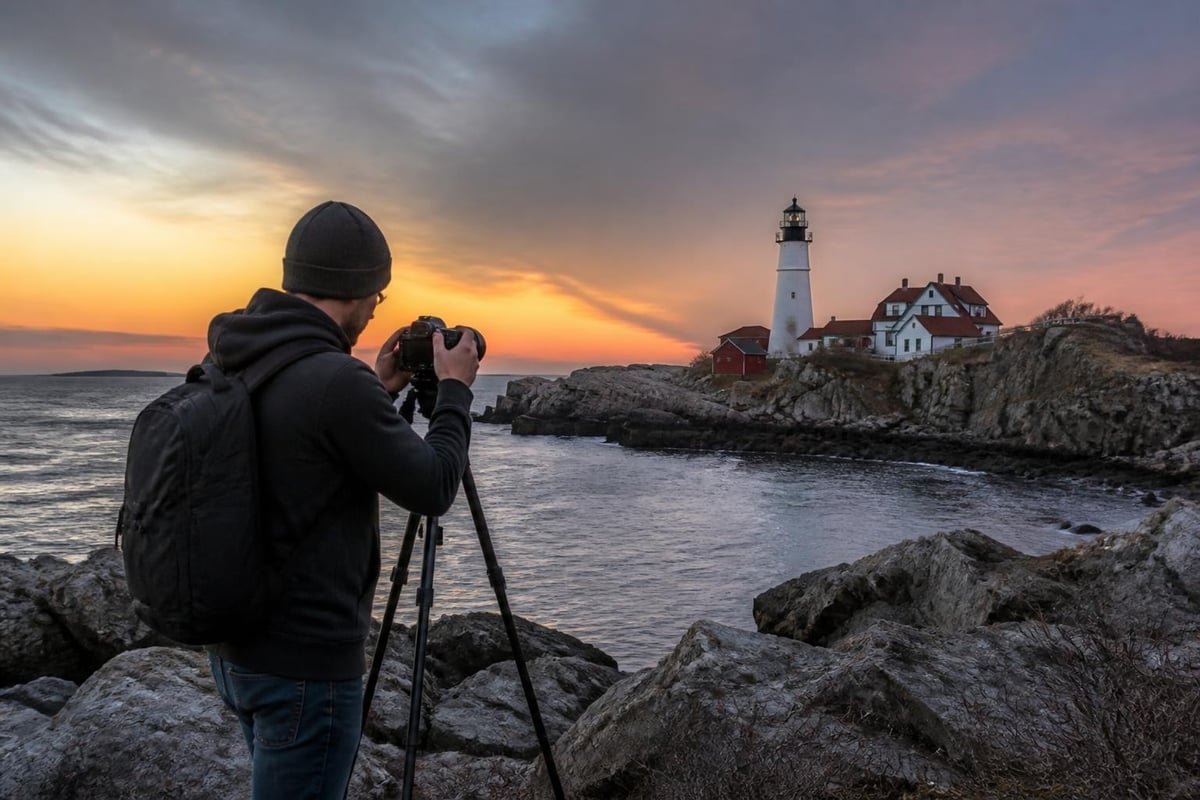
Professional photographers and hobbyists alike know that lighting makes or breaks lighthouse photography. Golden hour (the hour after sunrise and before sunset) provides warm, directional light that emphasizes architectural details and creates dramatic shadows.
Best photography times:
- Early morning (6-8 AM) for eastern-facing lighthouses
- Late afternoon (4-6 PM) for western-facing structures
- Overcast days for even lighting without harsh shadows
- Storm approaches for dramatic sky backgrounds
Weather variability along Maine's coast means conditions change rapidly. Pack appropriate gear including lens cleaning supplies, weather protection for equipment, and backup batteries that drain faster in cold coastal air.
Composition Techniques for Lighthouse Photography
Experienced lighthouse photographers employ specific compositional strategies to create compelling images. The rule of thirds places lighthouses off-center for more dynamic compositions, while foreground elements like rocks, wildflowers, or weathered fences add depth and context.
Including scale references helps viewers appreciate lighthouse heights. A person, boat, or building in the frame provides size comparison that emphasizes these structures' impressive stature.
| Composition Element | Purpose | Best Seasons |
|---|---|---|
| Wildflowers | Color and foreground interest | Late spring/summer |
| Rocky shores | Texture and maritime context | Year-round |
| Dramatic skies | Mood and atmosphere | Fall/winter |
| Crashing waves | Action and power | Storm seasons |
Historical Context and Maritime Heritage
The lighthouse me movement gains deeper meaning when visitors understand the historical context behind these coastal sentinels. Maine's lighthouse history intertwines with America's maritime development and coastal settlement patterns.
The Evolution of Lighthouse Technology
Early Maine lighthouses relied on whale oil lamps and reflector systems that required constant keeper attention. Technological advances brought Fresnel lenses in the mid-1800s, dramatically improving light range and efficiency.
Technological progression:
- Whale oil lamps with reflectors (1790s-1840s)
- Fresnel lens systems (1850s-1900s)
- Incandescent electric lights (1920s-1950s)
- Automated systems (1960s-present)
- Solar-powered LED beacons (1990s-present)
These technological changes transformed keeper responsibilities and eventually led to automation. The last Maine lighthouse keepers departed in the 1990s, ending over 200 years of continuous human habitation at these coastal outposts.
Understanding this evolution adds appreciation for restoration efforts at many sites. Organizations and volunteers work tirelessly preserving lighthouse structures, maintaining grounds, and sharing maritime heritage with visitors pursuing their lighthouse me experiences.
Keeper Life and Daily Responsibilities
Lighthouse keepers faced isolated, demanding conditions that tested physical endurance and mental resilience. Daily responsibilities included maintaining lighting equipment, recording weather observations, conducting rescues, and ensuring signal reliability regardless of conditions.
Keeper families often lived in attached quarters, with children traveling by boat to mainland schools. Supplies arrived monthly by tender ships, requiring careful inventory management and self-sufficiency. The lighthouse me philosophy honors these keepers by understanding their sacrifices and dedication to maritime safety.
Seasonal Considerations for Lighthouse Exploration
Maine's distinct seasons dramatically affect lighthouse me experiences. Each season offers unique advantages and challenges for coastal lighthouse exploration.
Spring and Summer Lighthouse Visits
Spring awakens coastal Maine with wildflower blooms, migrating birds, and longer daylight hours. However, May and early June often bring fog that obscures lighthouse views while creating atmospheric conditions photographers appreciate.
Summer (July-August) provides the most reliable weather and warmest temperatures. This peak season brings crowds to popular lighthouse sites, requiring early arrival for parking and optimal viewing positions.
Summer advantages:
- Extended daylight hours for flexible scheduling
- Calm seas for boat-access lighthouses
- Full operational hours at museum lighthouses
- Pleasant temperatures for extended outdoor exploration
Summer challenges:
- Peak crowds at iconic locations
- Higher accommodation costs
- Limited parking at popular sites
- Midday harsh lighting for photography
Fall and Winter Lighthouse Experiences
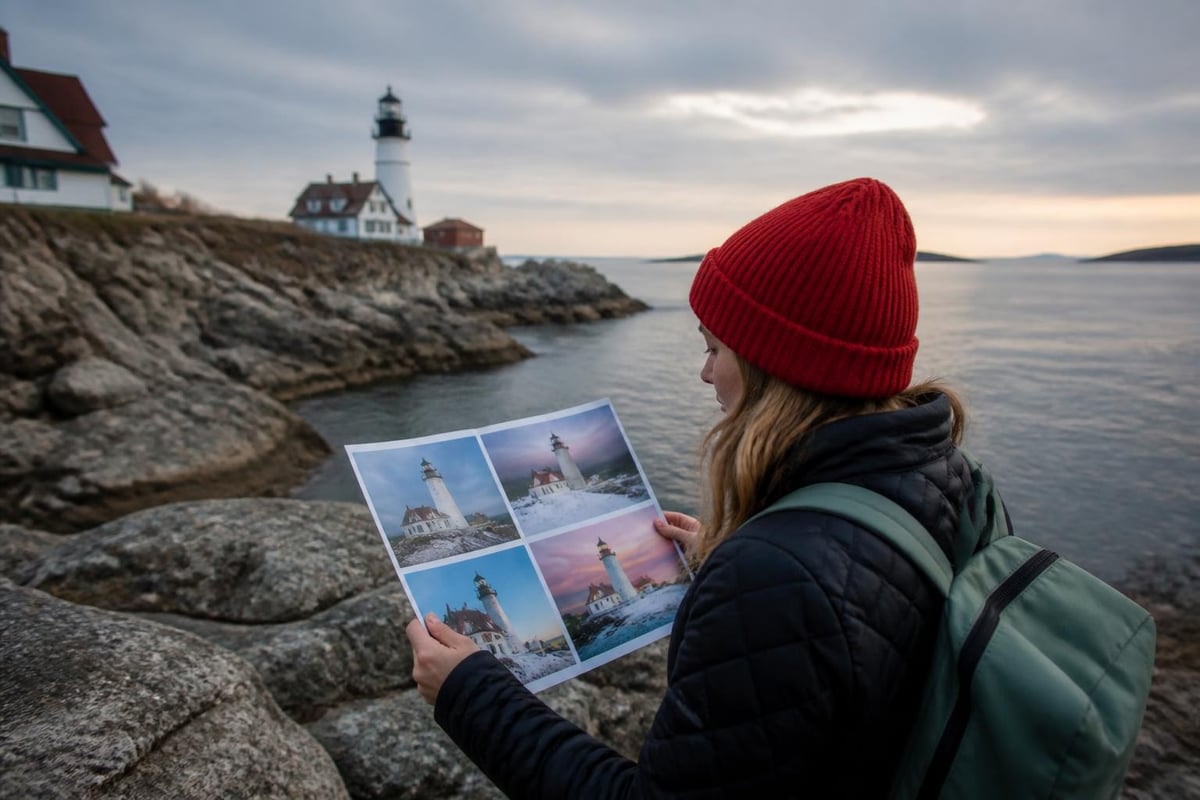
Autumn transforms the lighthouse me experience with spectacular foliage, dramatic skies, and crisp air. September through October offers ideal conditions with smaller crowds, comfortable temperatures, and stunning natural backdrops.
Winter lighthouse visits appeal to hardy enthusiasts seeking solitude and dramatic storm photography. However, many museum lighthouses close or reduce hours, and coastal roads may face weather-related closures.
| Season | Crowd Level | Weather | Special Features |
|---|---|---|---|
| Spring | Moderate | Variable | Wildflowers, migration |
| Summer | High | Stable | Best boat tours |
| Fall | Moderate | Pleasant | Foliage, clear skies |
| Winter | Low | Harsh | Storm drama, solitude |
Combining Lighthouse Visits with Coastal Experiences
The lighthouse me approach integrates beacon visits with broader coastal exploration. Maine's southern beaches region offers diverse activities that complement lighthouse tourism.
Culinary Exploration and Lighthouse Routes
Strategic planning combines lighthouse visits with exceptional dining opportunities throughout coastal Maine. Many lighthouse locations sit near acclaimed restaurants, lobster shacks, and local seafood markets that showcase regional cuisine.
After morning lighthouse exploration, visitors can enjoy fresh lobster rolls, clam chowder, or locally caught fish at nearby establishments. The food and drink scene throughout the region pairs perfectly with lighthouse touring, creating memorable multi-sensory coastal experiences.
Beach Access and Coastal Recreation
Several Maine lighthouses occupy dramatic headlands adjacent to beautiful beaches. This proximity allows visitors to combine lighthouse me activities with swimming, beachcombing, or coastal hiking during single excursions.
Rocky beaches near lighthouses often yield tide pool discoveries, sea glass collecting, and bird watching opportunities. Packing appropriate footwear allows exploration of both maintained lighthouse grounds and adjacent natural areas.
Combined activities include:
- Lighthouse photography followed by beach relaxation
- Morning beacon visits with afternoon kayaking
- Historical tours paired with coastal hiking trails
- Sunset lighthouse viewing from beach vantage points
Educational Resources and Lighthouse Organizations
Deepening your lighthouse me knowledge enhances appreciation and understanding of these historic structures. Numerous organizations, museums, and educational resources support lighthouse preservation and public education.
Lighthouse Preservation Groups
Nonprofit organizations throughout Maine work tirelessly maintaining lighthouse structures, offering tours, and educating visitors about maritime heritage. Many operate gift shops where proceeds fund ongoing preservation efforts.
Joining lighthouse preservation societies provides members with newsletters, special tour opportunities, and satisfaction supporting historic structure maintenance. Annual memberships typically cost less than individual tour fees while contributing to long-term preservation.
Historical Archives and Research Resources
Maritime museums along Maine's coast maintain extensive lighthouse archives including keeper logs, construction records, and historical photographs. These resources prove invaluable for serious lighthouse enthusiasts pursuing deep historical understanding.
Local historical societies often hold lectures, walking tours, and special events centered on lighthouse history. These programs connect visitors with expert historians, retired Coast Guard personnel, and descendents of lighthouse keeping families.
Practical Tips for First-Time Lighthouse Visitors
Successfully executing your lighthouse me plans requires attention to practical details that ensure comfortable, safe, and rewarding experiences.
Essential Gear and Preparation
Coastal weather changes rapidly, requiring layered clothing even during summer months. Wind speeds near lighthouse sites typically exceed inland areas due to exposed coastal positions.
Recommended items:
- Layered windproof clothing
- Sturdy walking shoes with good traction
- Sun protection (hat, sunglasses, sunscreen)
- Camera equipment with protective cases
- Water and snacks for extended visits
- Binoculars for distant viewing
- Field guides for birds and maritime identification
Physical preparation matters for lighthouse visits involving stairs, uneven terrain, or rocky shorelines. Many lighthouse towers feature narrow spiral staircases with 40-100 steps requiring moderate fitness levels.
Respecting Private Property and Access Restrictions
Not all Maine lighthouses welcome public access. Some remain private residences, active Coast Guard facilities, or sit on restricted military property. Respecting posted signage and property boundaries maintains positive relationships between lighthouse enthusiasts and property owners.
When lighthouses permit only distant viewing, powerful binoculars or telephoto lenses allow detailed observation without trespassing. Many public vantage points provide excellent views while respecting necessary access restrictions.
Technology and Modern Lighthouse Navigation
While traditional lighthouse functions now integrate with GPS and electronic navigation systems, these historic structures maintain important roles in maritime safety. Understanding modern lighthouse technology adds contemporary context to historical appreciation.
Current Lighthouse Operations
Today's automated lighthouse systems require minimal maintenance compared to keeper-era operations. Solar panels power LED lights that consume fraction of historical energy requirements while producing brighter, more reliable signals.
The Coast Guard maintains most active lighthouse beacons as backup navigation aids supplementing electronic systems. During GPS outages or electronic failures, lighthouse signals provide critical visual references for maritime navigation.
Digital Resources for Lighthouse Exploration
Modern technology enhances lighthouse me planning through smartphone apps, interactive maps, and virtual tours. Several applications catalog Maine lighthouses with GPS coordinates, historical information, and current access details.
Social media groups connect lighthouse enthusiasts sharing recent photos, access updates, and travel tips. These communities provide valuable real-time information about seasonal closures, construction projects, or special viewing opportunities.
Making Your Lighthouse Me Dreams Reality
Transform your lighthouse me aspirations into concrete coastal exploration plans by considering timing, priorities, and realistic expectations for your Maine lighthouse adventure.
Creating Your Personal Lighthouse Itinerary
Begin with honest assessment of available time and physical capabilities. Attempting too many lighthouse visits in limited timeframes results in rushed experiences that diminish appreciation and enjoyment.
Quality lighthouse experiences require 45-90 minutes per location depending on access level, interpretive offerings, and surrounding trails. Factor driving time between sites plus meals and rest stops when calculating daily capacity.
Sample one-day itinerary:
- Early morning visit to easily accessible lighthouse (90 minutes)
- Mid-morning second lighthouse with museum tour (2 hours)
- Lunch at coastal restaurant near third lighthouse
- Afternoon beach lighthouse with walking trails (2 hours)
- Sunset viewing at fourth lighthouse location
This moderate pace allows meaningful engagement at each location without exhausting schedules that undermine enjoyment.
Beyond the Bucket List Mentality
The lighthouse me philosophy emphasizes quality engagement over checkbox tourism. Rather than racing between every possible lighthouse, select fewer locations for deeper exploration.
Spend extra time reading historical markers, conversing with volunteer docents, exploring keeper's quarters when available, and simply absorbing each location's unique atmosphere. These deeper engagements create lasting memories that superficial drive-by visits cannot match.
Maine's magnificent lighthouses offer transformative coastal experiences for visitors who embrace the lighthouse me philosophy of meaningful engagement with these historic beacons. From dramatic rocky headlands to peaceful harbor settings, each lighthouse tells unique stories of maritime heritage, engineering innovation, and keeper dedication. Start planning your lighthouse adventure today with The Maine Beaches as your comprehensive guide to coastal exploration, offering detailed information about lighthouse locations, nearby dining, accommodations, and the full range of experiences that make Maine's southern coast an unforgettable destination.